The box that changed the cost of distance
Before container shipping, cargo moved in a jumble of separate packages: crates, sacks, barrels and bundles. Dockworkers had to handle each piece, often transferring it by hand from warehouse to ship and back again. Loading was slow, labor-intensive and vulnerable to damage or theft. A ship could spend as much time waiting in port as crossing the ocean.
The shipping container replaced that jumble with a sturdy, reusable metal box. Pack goods into it once, seal it, and move the whole box by truck, train or ship. That is intermodal transport: the cargo stays inside the same container while the vehicle changes.
A system, not just a box
The breakthrough depended on making containers and handling equipment compatible. Once ports, railways and trucking companies could use standardized boxes, cranes could lift them quickly between ship and shore. Ships could be designed to carry stacks of them, and factories could pack goods for distant markets without unpacking and repacking at every transfer.
That coordination required major investment: ports needed cranes and storage areas, and companies needed fleets of containers and specialized vessels. But faster loading meant ships spent less time idle, while sealed cargo reduced handling costs and damage. The savings made it practical to ship far more manufactured goods over long distances.
How the box reshaped production
With transport cheaper and more predictable, businesses could spread production across countries: components made in one place, assembled in another, then sold elsewhere. Containerization did not create global trade on its own, but it removed a stubborn physical bottleneck that had made international supply chains costly and cumbersome.
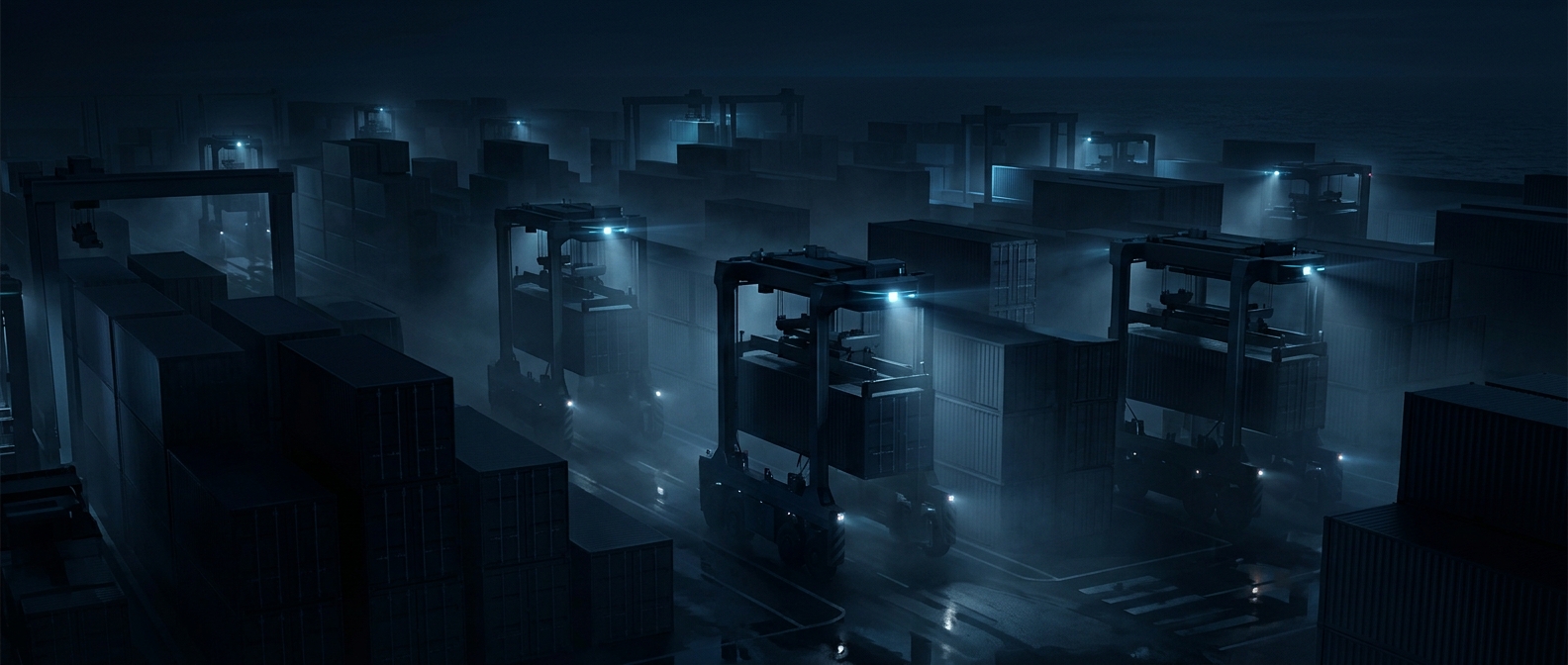
Its legacy is visible at a port: thousands of identical-looking boxes, each one able to leave a ship and continue inland without its contents being touched. That quiet handoff is what lets a product cross an ocean as part of one continuous journey.