A protest against an industrial-looking skyline
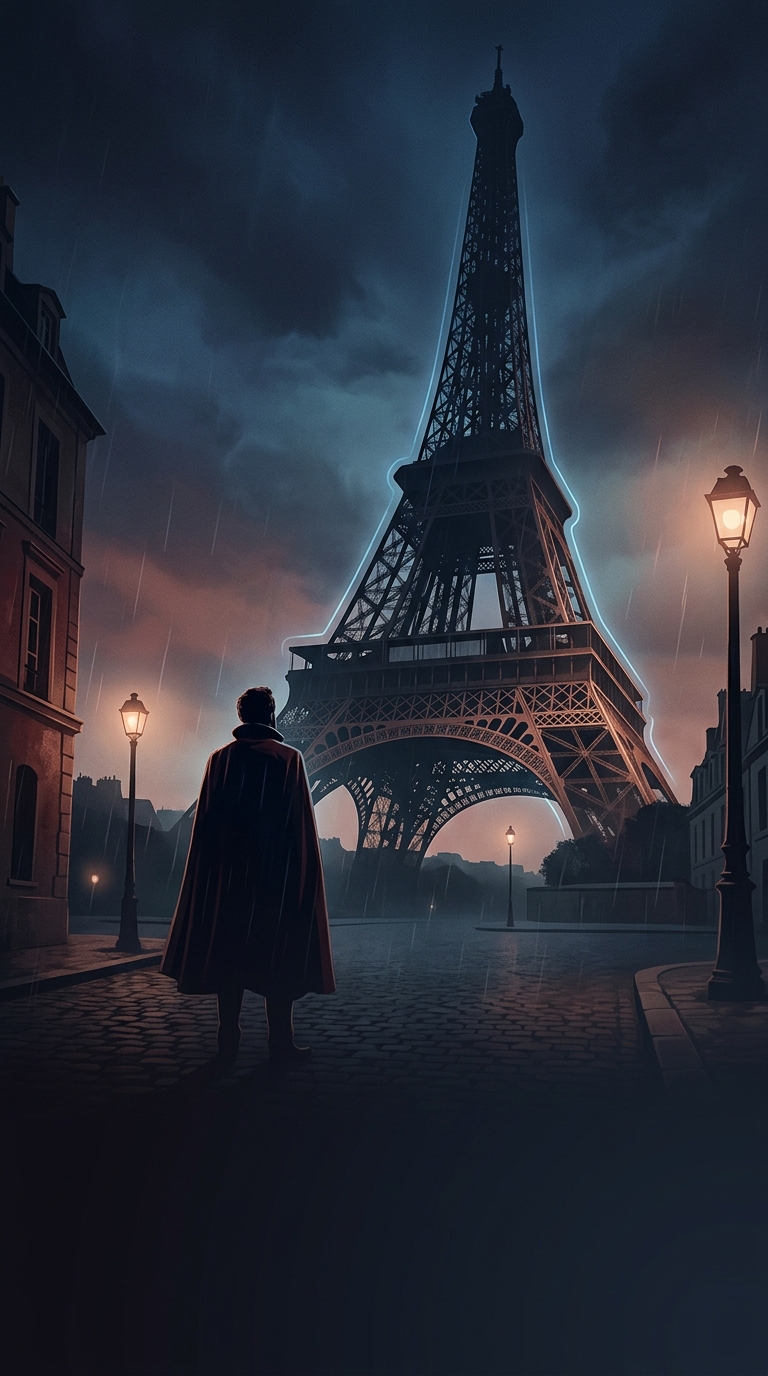
As the Eiffel Tower rose for Paris’s 1889 World’s Fair, a group of prominent writers, artists, composers, and architects objected publicly. In 1887, they signed a protest published in the newspaper Le Temps, condemning the planned structure as an ugly intrusion into the city. Their complaint was not simply that it was tall: they feared its exposed iron framework would overwhelm the familiar Paris skyline of stone buildings, domes, and monuments.
To these critics, the tower looked more like a factory structure than a work of architecture. They warned that its immense scale would make the city’s historic landmarks seem diminished. The protest’s force came from the clash it captured: Paris was being asked to treat modern engineering as a public spectacle, not merely as a practical tool.
The fair made the argument visible
The tower was built as the entrance arch and centerpiece of the Exposition Universelle, a world’s fair celebrating modern achievement. Its construction turned an abstract debate about taste into a daily sight: a huge iron lattice was taking shape above the city. The very features critics disliked—its height, open framework, and unmistakably modern materials—were what made it a striking demonstration of engineering.
The signers were influential, but they did not speak for every Parisian. The tower drew enormous attention when the fair opened, and visitors could climb it for views across Paris. That popular curiosity did not instantly erase the artistic objections; it showed that a structure could be controversial among cultural authorities and compelling to the public at the same time.
From temporary exhibit to landmark
The tower had initially been conceived as a temporary fair structure, so the dispute concerned more than appearance: Parisians were also debating what kind of city modern technology should create. Its survival gave the iron monument a future its critics had resisted. The controversy is part of what makes the story memorable: the landmark now treated as an emblem of Paris began as a conspicuous challenge to the city’s established idea of beauty.