How the clown turned disorder into a performance
A traditional clown’s disorder was part of the act. In popular theater and carnival settings, exaggerated falls, mock blows, chases, and sudden interruptions made social rules look fragile. A figure who could not—or would not—behave properly could expose the stiffness of people who expected everyone else to obey.
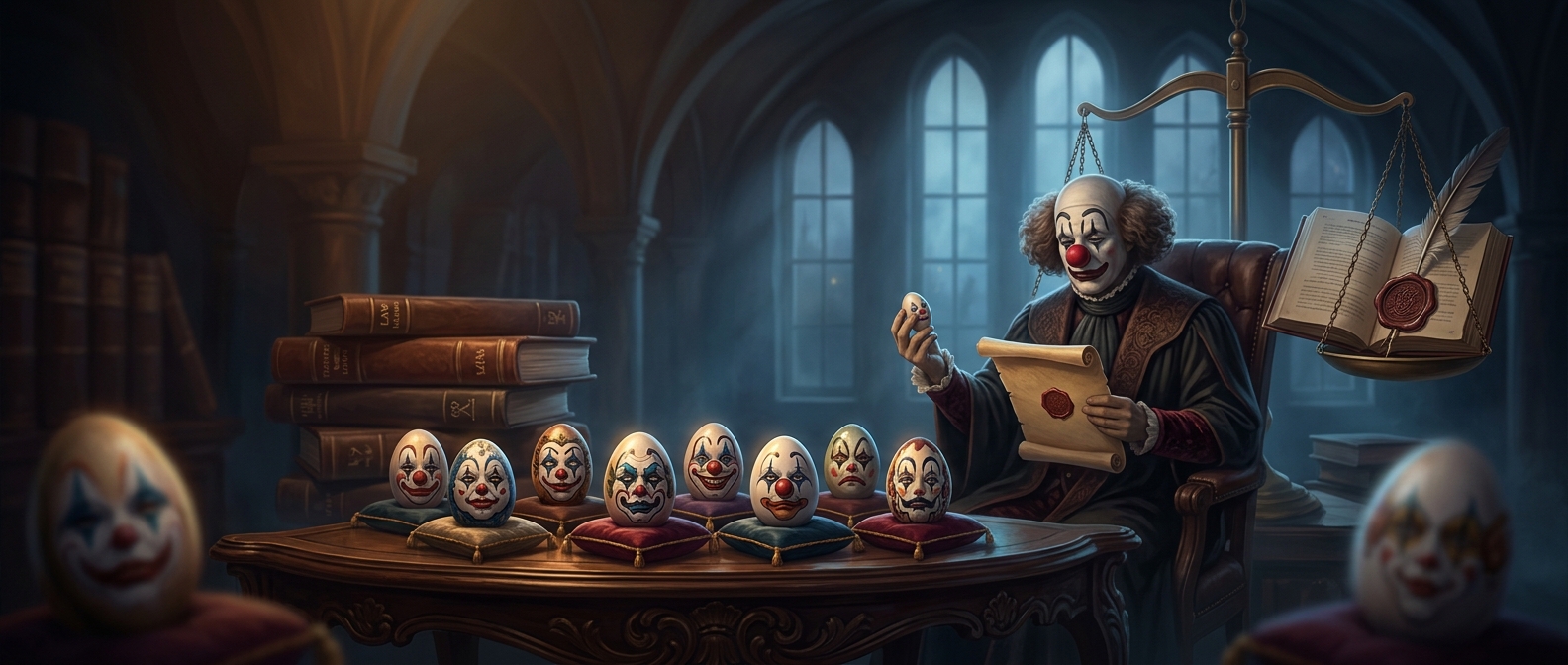
The joke often depended on a reversal of rank. A clown might imitate a dignified person, interrupt a formal exchange, or turn a show of authority into slapstick. The audience could laugh at the powerful without watching an ordinary person openly challenge them: the clown’s foolishness provided a theatrical cover for insolence.
Why the same act could amuse and alarm
That permission was limited and uneasy. A clown could disrupt a ceremony or mock a superior inside a performance, but the disturbance was framed as play. Physical comedy made the challenge visible and immediate: a dignified pose could collapse into a tumble, and a carefully controlled event could become a noisy scramble.
For spectators accustomed to strict social etiquette, that reversal could feel less like harmless entertainment than a breach of order. The clown was compelling precisely because the audience could enjoy rebellion while seeing it contained by the stage or festival. The laughter came from watching authority lose control—briefly, and in public.