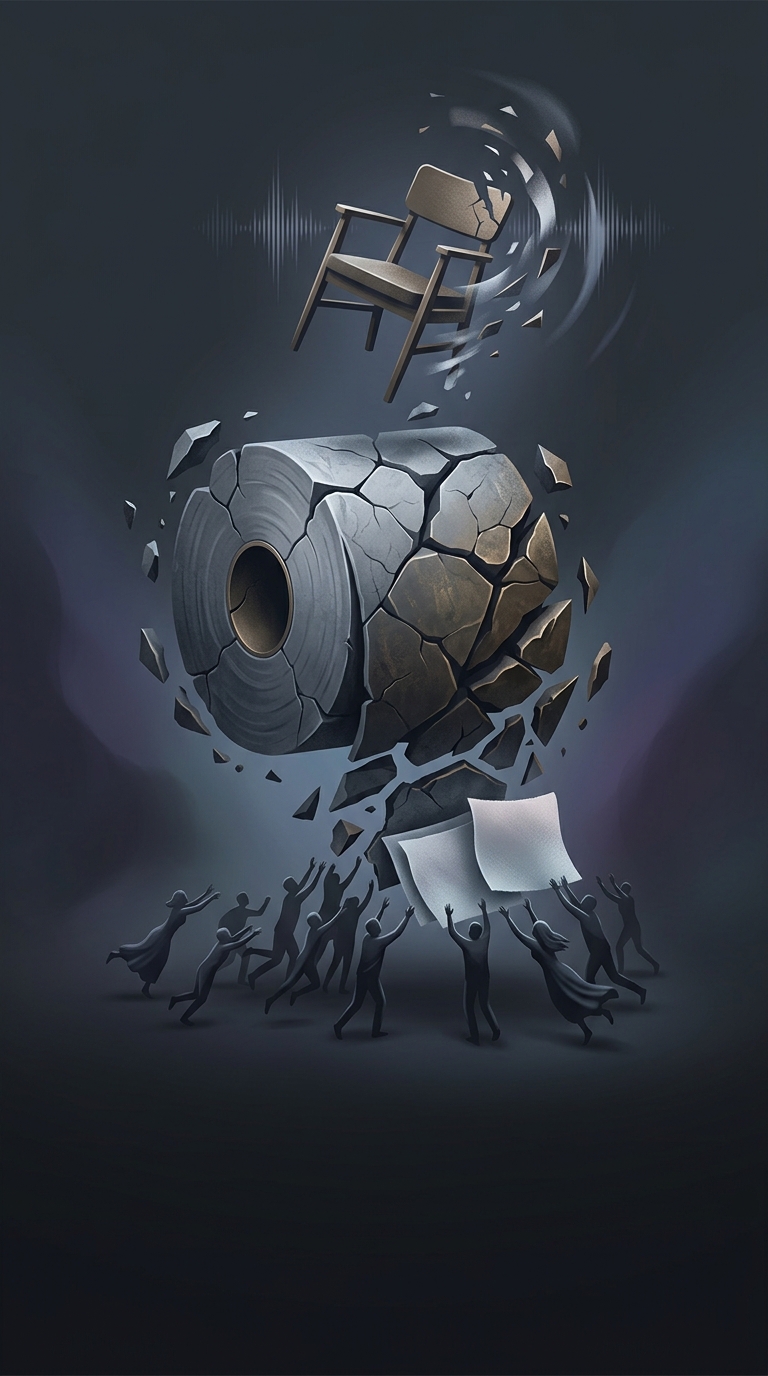
How a Joke Turned Into a Shopping Rush
In December 1973, anxiety about shortages was already high: the oil crisis had made Americans alert to the possibility that ordinary goods might become scarce. A small warning about toilet-paper supplies, issued by a Wisconsin congressman, gave that anxiety a specific target. Johnny Carson repeated the claim on his late-night show, turning it into a punchline—and putting it before a much larger audience.
The joke did not create a national shortage of paper overnight. It changed what shoppers expected. People who feared stores might run out bought more than they normally would, while others saw the emptying shelves and hurried to buy their own supply. That feedback loop is a panic buying effect: the fear of scarcity can cause a real, short-term scarcity even when the original supply is adequate.
Why Stores Couldn’t Refill Shelves at Once
Toilet paper is bulky, so stores generally keep only limited quantities on hand. Manufacturers and distributors plan production and deliveries around ordinary demand; they cannot instantly make and ship enough to replace a sudden wave of extra purchases. Once the usual stock was gone, routine deliveries could not keep pace with the rush. Empty shelves then served as visible evidence that seemed to confirm the warning, encouraging still more buying.
Carson later apologized, but reassurance could not immediately undo the surge or speed up deliveries. The episode is remembered as a shortage sparked by a joke because it shows how a widely heard claim can change behavior faster than a supply chain can respond. The punchline became consequential when shoppers treated it as a forecast.