How a rushed meal can make your stomach feel stretched
Eating quickly can change what reaches your stomach as well as how much air you swallow. Each hurried bite may bring in extra air, which can collect in the digestive tract and contribute to pressure or belching. Meanwhile, food that has been chewed less thoroughly arrives in larger pieces, leaving the stomach more work to do before it can pass the meal onward.
Digestion depends on more than chewing
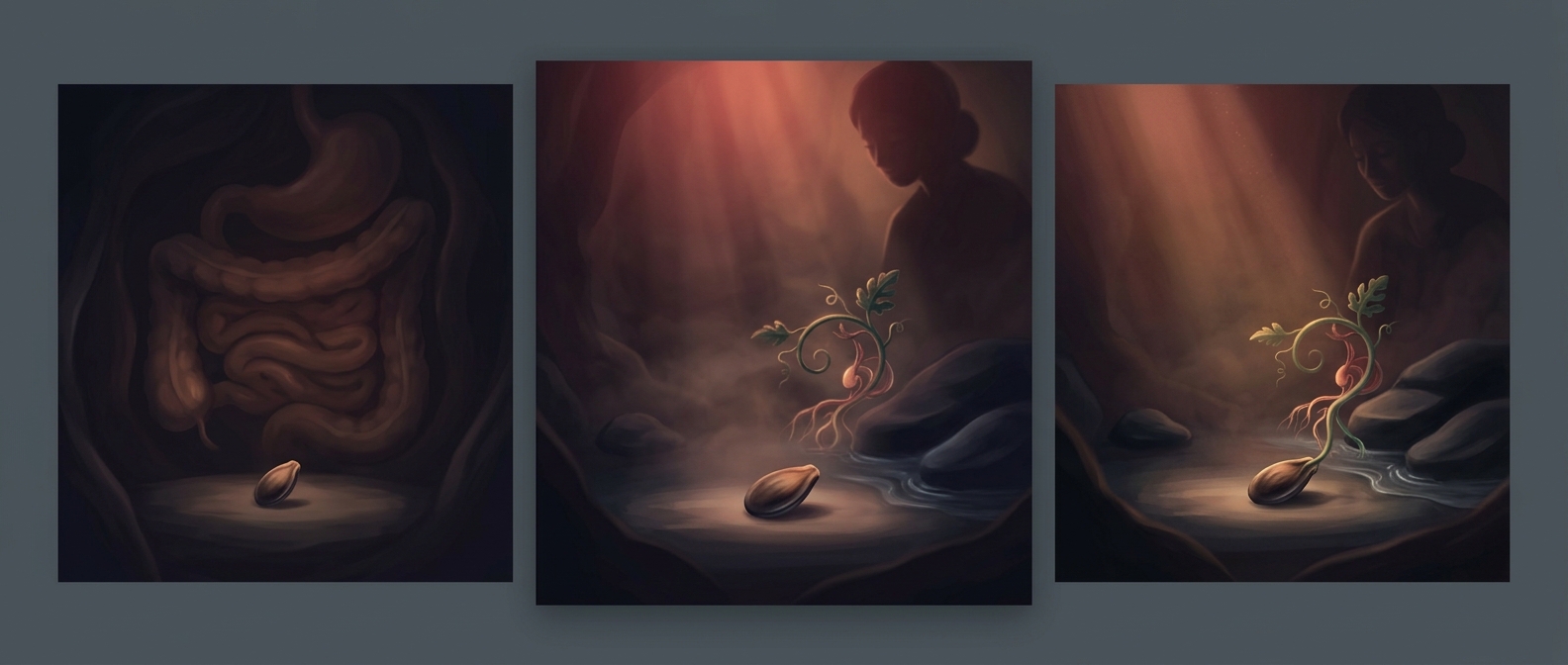
Chewing breaks food into smaller pieces and mixes it with saliva, making it easier to swallow and process. The stomach then churns food with digestive juices and gradually releases it into the small intestine. Larger pieces do not simply sit undigested, but they can take longer to be broken down, prolonging the sense that the stomach is full.
A fast pace can also make it harder to notice fullness building during a meal. The body’s signals are not instantaneous, so continuing to eat while rushing may mean taking in more before that feedback registers. The result can be a combination of swallowed air, a fuller stomach, and a tight or bloated feeling afterward.
Slowing the meal can ease the load
Taking smaller bites and chewing them fully gives swallowed food time to break down and may reduce the air taken in with each mouthful. It also creates pauses that make fullness easier to notice. The discomfort is often about the way a meal is eaten, not just what is on the plate.