How a Bear Can Become a Bigfoot at a Glance
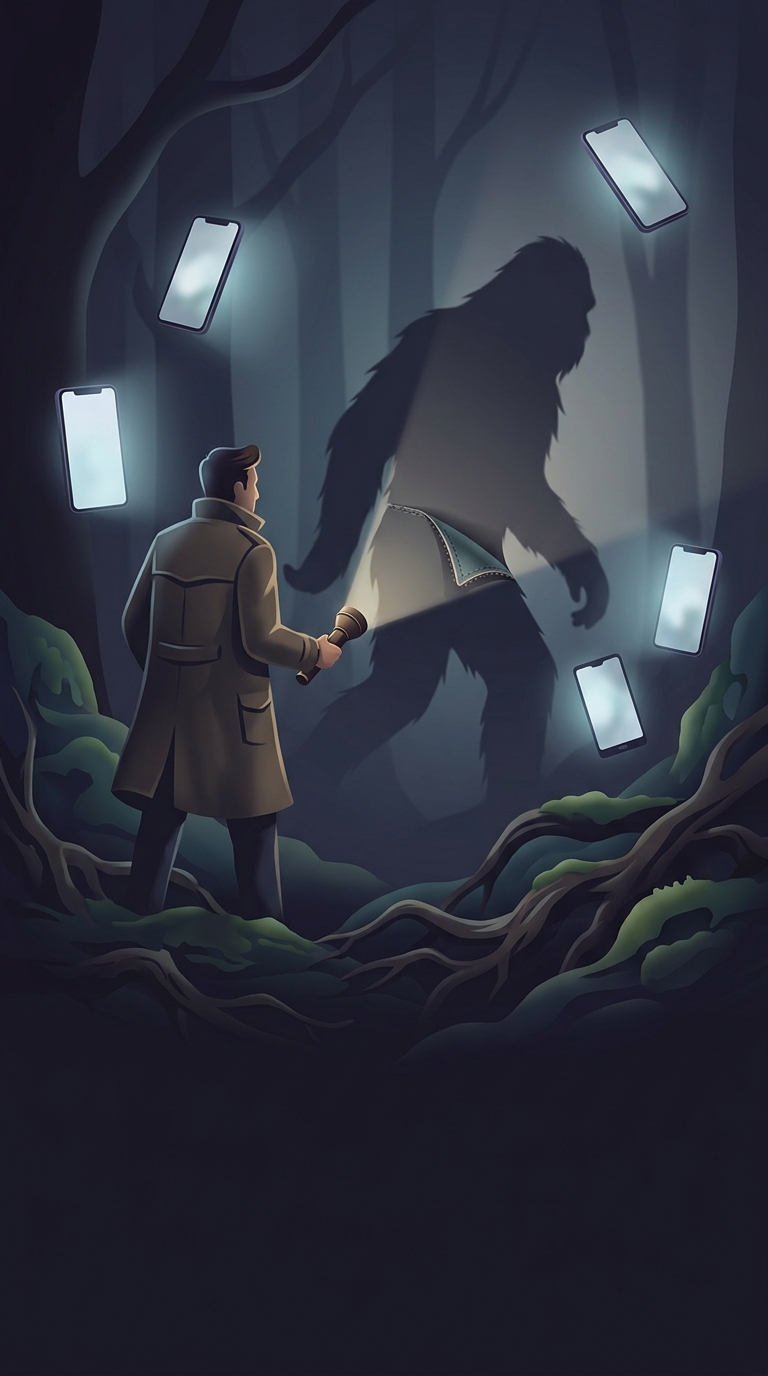
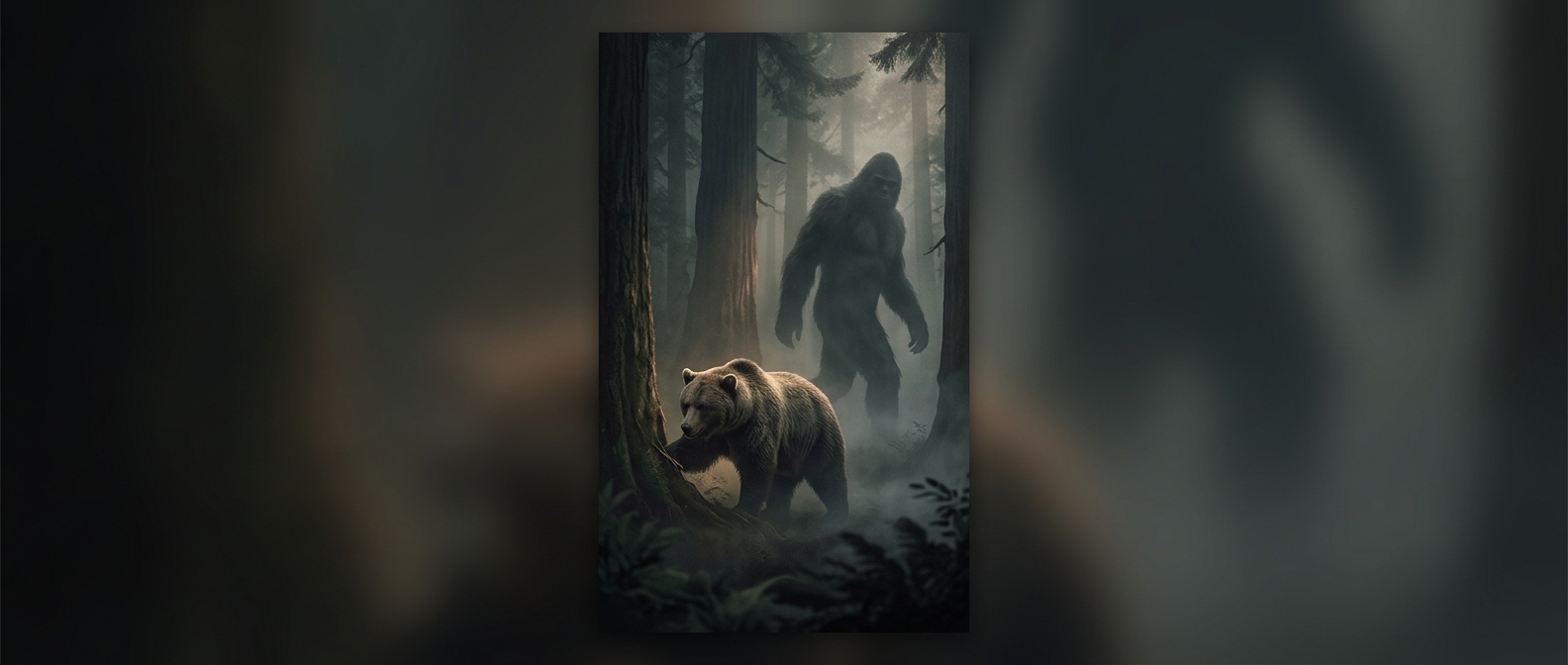
A fleeting sighting is an exercise in interpretation. If a black bear rises onto its hind legs and rubs or scratches against a tree, the trunk can hide much of its body. From far away, the visible shape may look less like a bear leaning on bark and more like a tall, upright figure.
The resemblance depends on what an observer can actually see: a dark mass, a vertical outline, and perhaps a movement that lasts only a moment. Fur and shadow blur the details that would distinguish an animal’s build or posture. Once the bear moves behind the tree or drops back to all fours, the chance to inspect it may be gone.
Why the Timing Matters
During bear season, people are more likely to encounter bears in the landscape. That creates more opportunities for this kind of mistaken glimpse—and gives a practical explanation for why reports associated with Bigfoot may cluster in the same period. It does not require an observer to be making something up: a person can sincerely report what a quick, ambiguous view seemed to show.
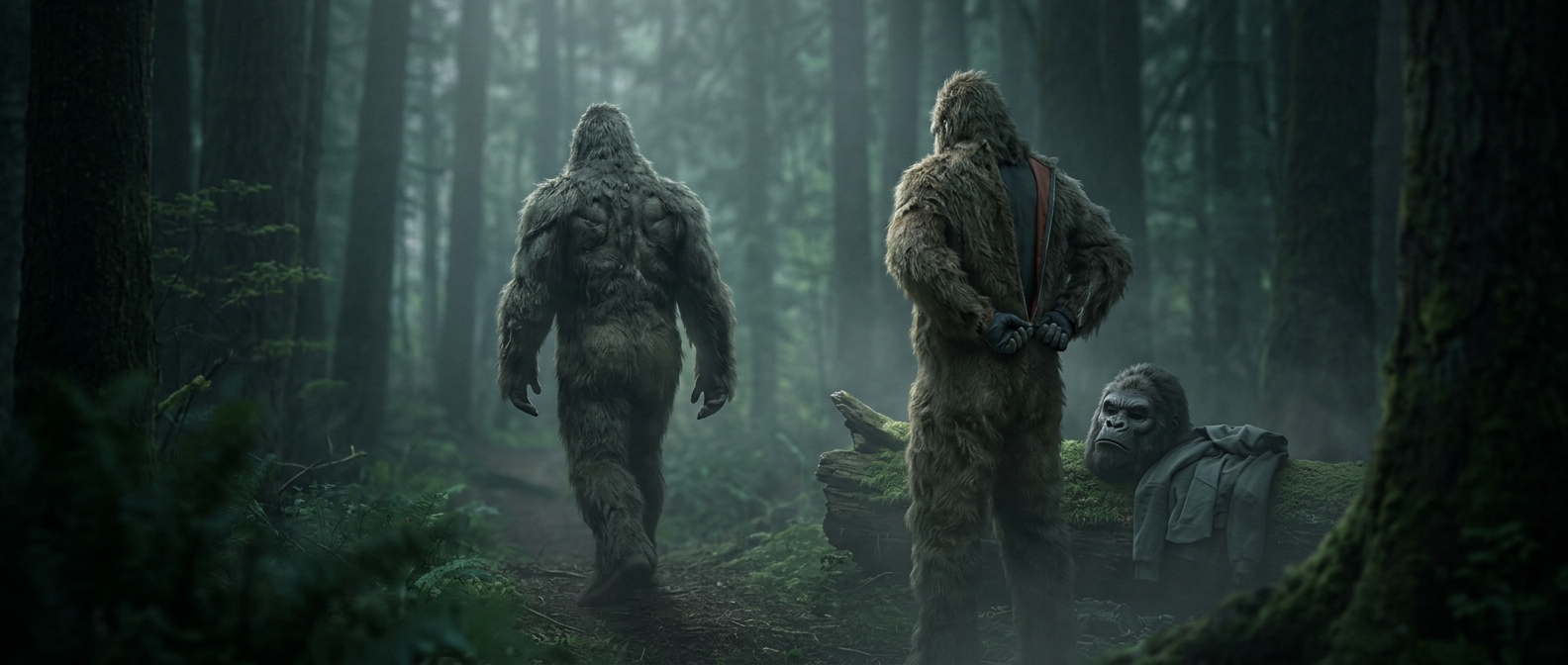
The proposed explanation is not that every sighting has the same cause. It is that a familiar animal, partly concealed and seen at a distance, can briefly fit an extraordinary description. A tree-scratching bear may look like an upright ape until it shifts—and reveals the ordinary animal behind the outline.