How wooden feet made a monster trail
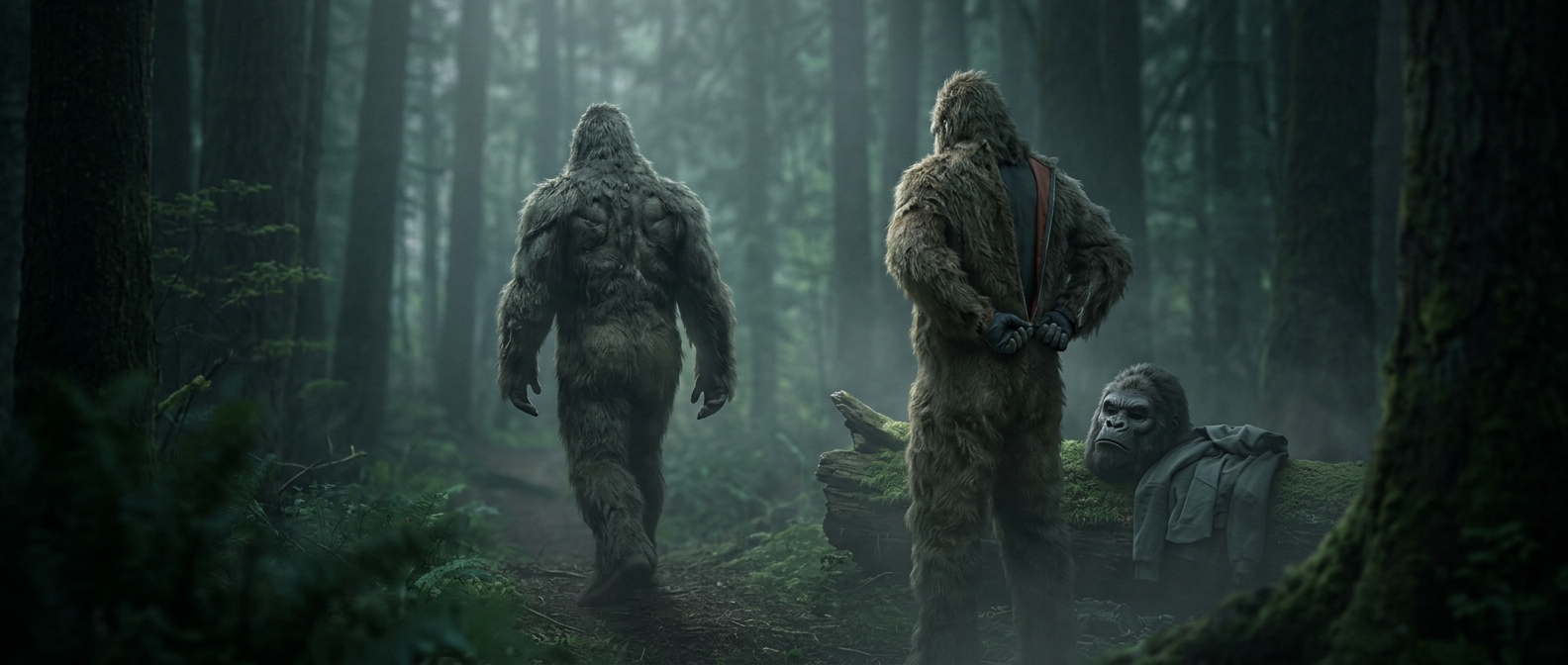
A giant footprint can look persuasive because people read a track as a record of a body in motion. But a print in mud records pressure and shape—not who, or what, made it. A prankster wearing oversized carved wooden feet could press an uncanny outline into soft ground simply by walking through it.
The woods helped sell the illusion. Mud takes a clear impression, while uneven ground and gaps between tracks make it harder to judge stride, balance, or scale. Seen one print at a time, the marks suggested an enormous creature; seen as a trail, they seemed to tell a story of something moving through the trees.
From tracks to sightings
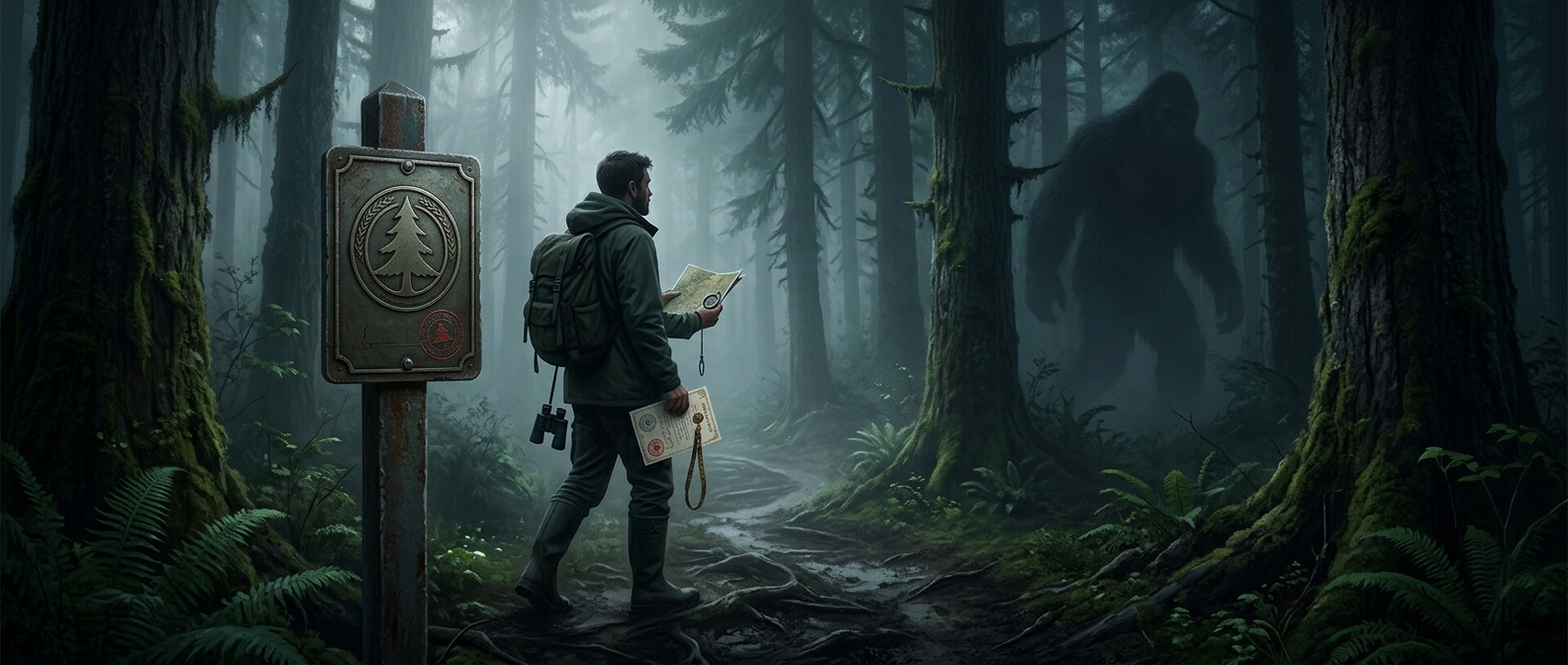
Once the prints were treated as evidence of a monster, each new report could make the next one feel more plausible. The trail invited people to search for its maker, compare impressions, and interpret ambiguous signs in the woods. That attention could keep the mystery alive even when the tracks themselves did not establish that a creature existed.
The trick depended on a simple gap between what a footprint shows and what observers infer. A wooden foot could create a convincing mark, but the mark alone could not prove a monster had walked there. That is how a prank in muddy woods could become the starting point for years of sightings and investigation.