Why the Patterson–Gimlin film remains disputed
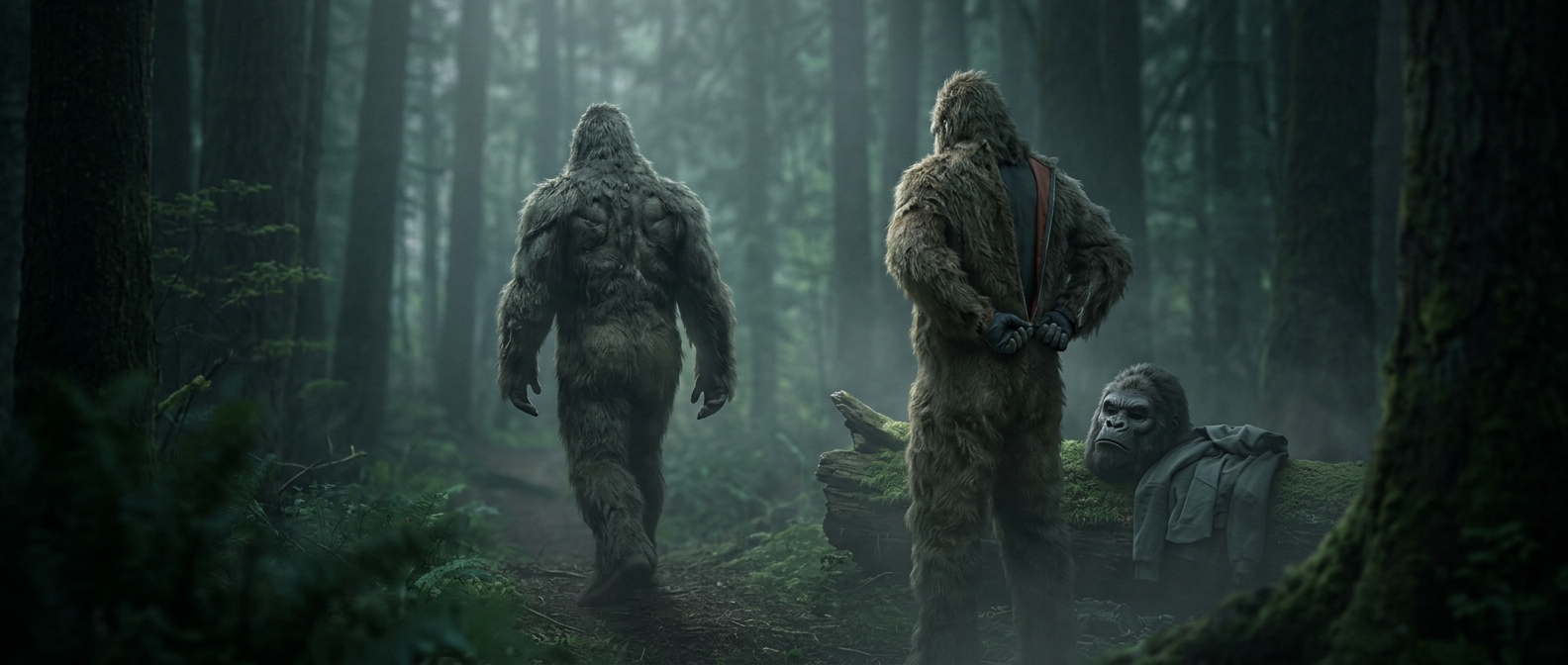
A brief film can feel persuasive because it shows a figure moving through a real landscape. But motion alone does not establish what the figure is. In the best-known 1967 footage, viewers have argued over the creature’s proportions, gait, and the folds visible around its waist. Those details can be read as features of an animal—or as clues that the figure is wearing a costume.
The problem is that the image does not offer enough detail to settle the interpretation. A blurry frame can conceal the very evidence that would distinguish skin and muscle from fabric: clear texture, consistent anatomy, or a view from another angle. The same uncertainty gives different viewers room to see different things in the same movement.
Why casts and stories are hard to verify
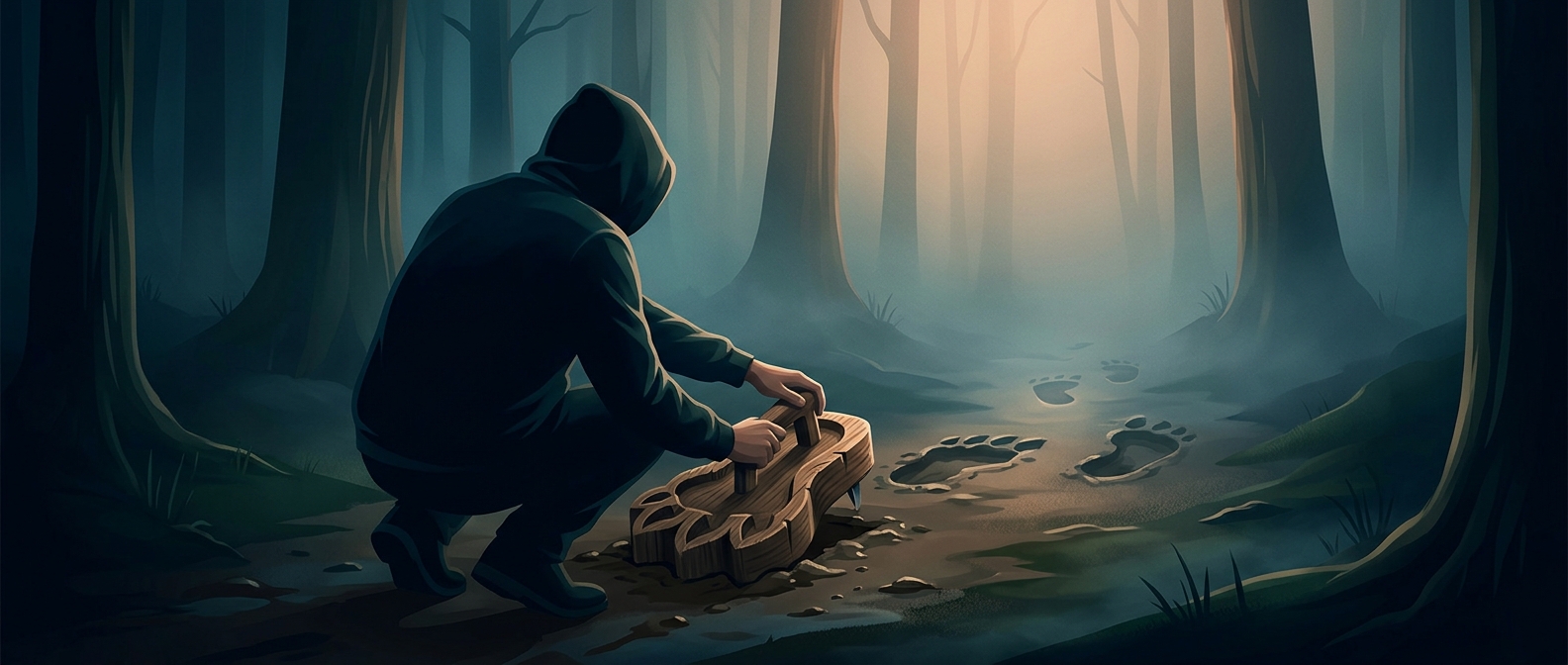
A plaster cast records the shape of an impression, not who or what made it. A cast may preserve small marks, but those marks need interpretation; the object alone does not identify their maker. Eyewitness accounts have a similar limit. A person may sincerely describe a large figure or an unusual smell, yet the account cannot be checked in the way a physical specimen can.
That is why the evidence is difficult to build upon. A compelling claim becomes much stronger when independent observers can examine the same material and test explanations against it. A short, indistinct film, a cast with uncertain origins, and a story told afterward each leave crucial questions open.
The waist folds matter not because they prove a costume, but because they show how much of the debate rests on details the footage cannot resolve.