Why a straighter railway can be faster
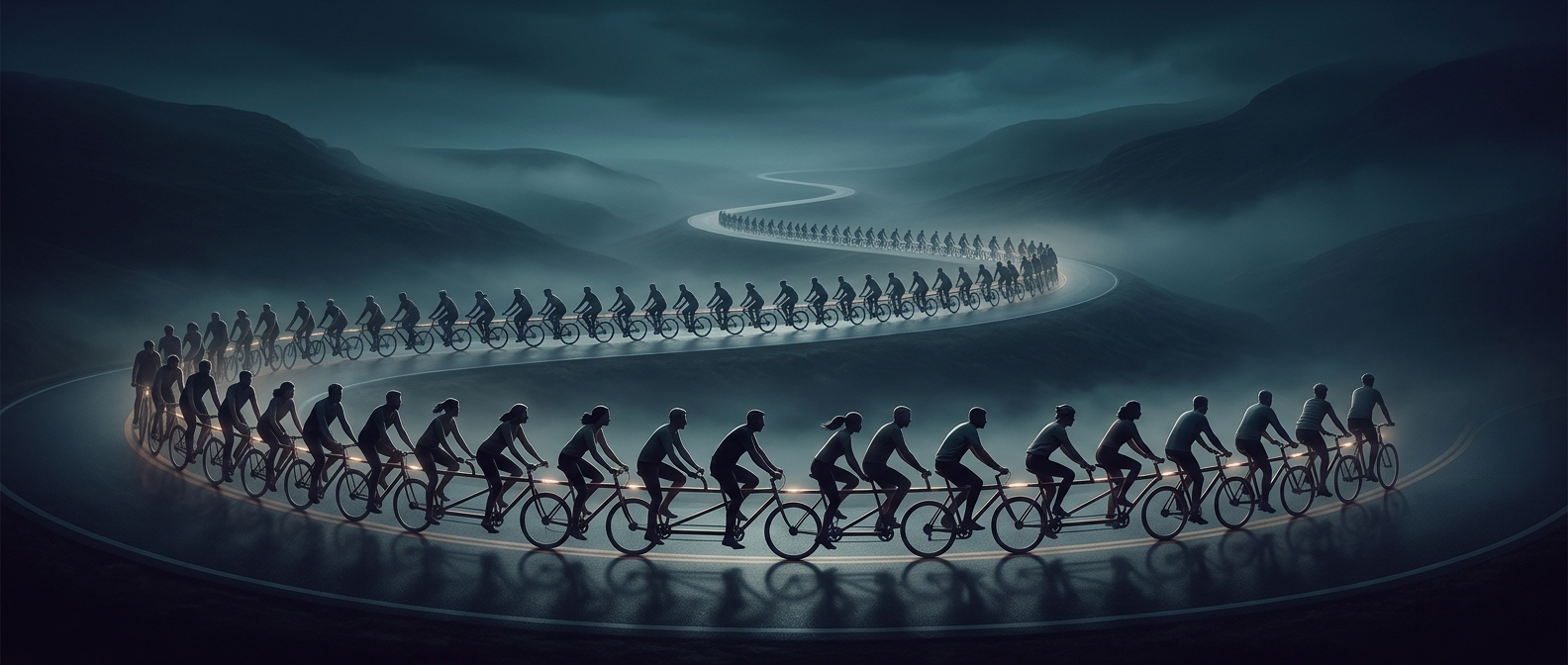
A train cannot take a sharp turn or climb a steep slope as easily as a car. Its steel wheels have little grip on the rails, and a long train must follow a smooth curve rather than pivot around a corner. When a railway skirts a hill or drops into a valley, the detour adds distance and often forces trains to slow for bends and gradients.
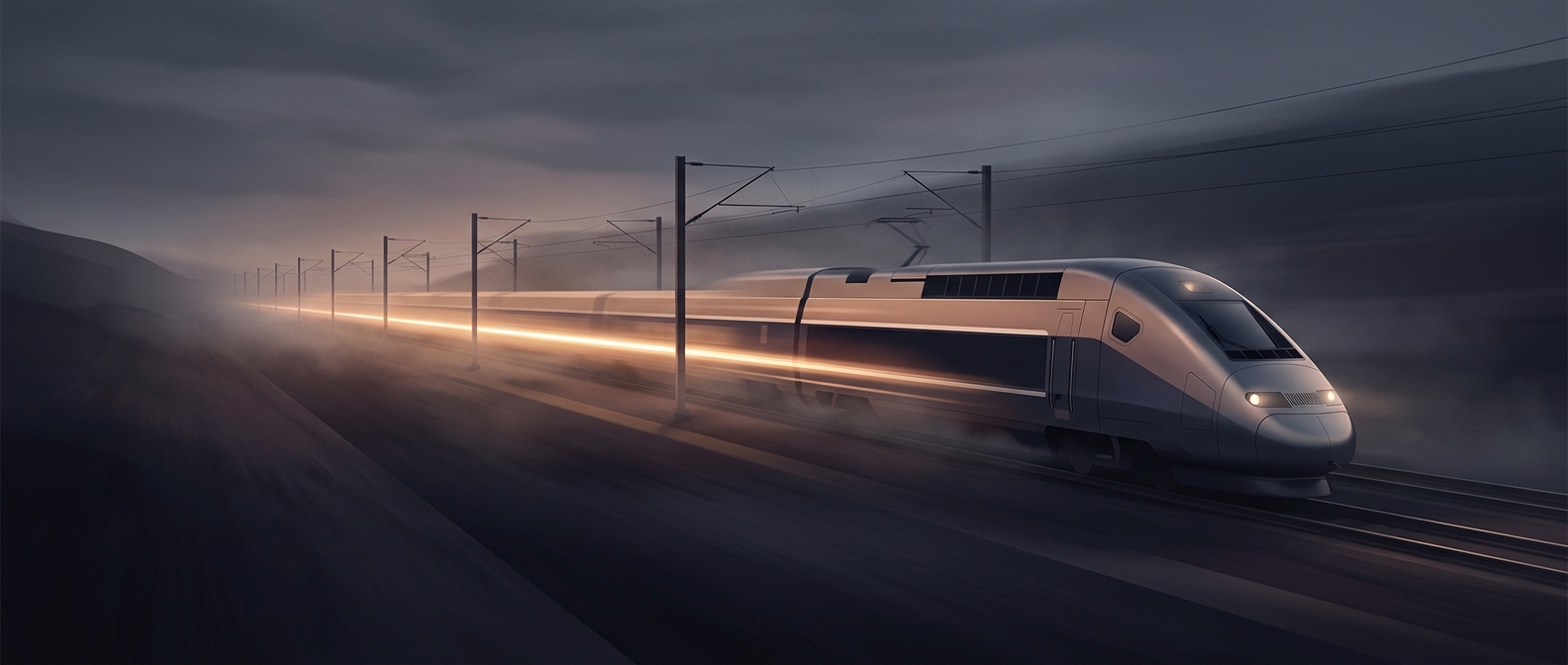
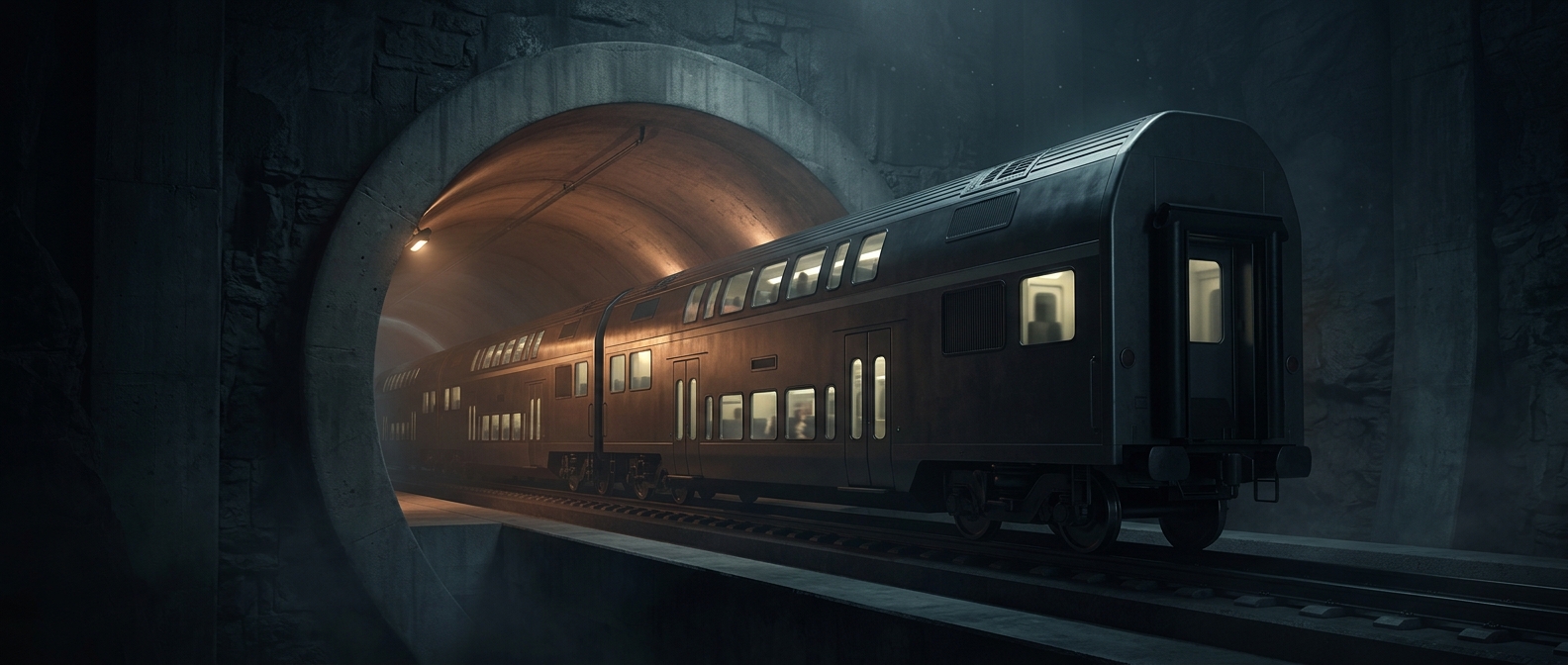
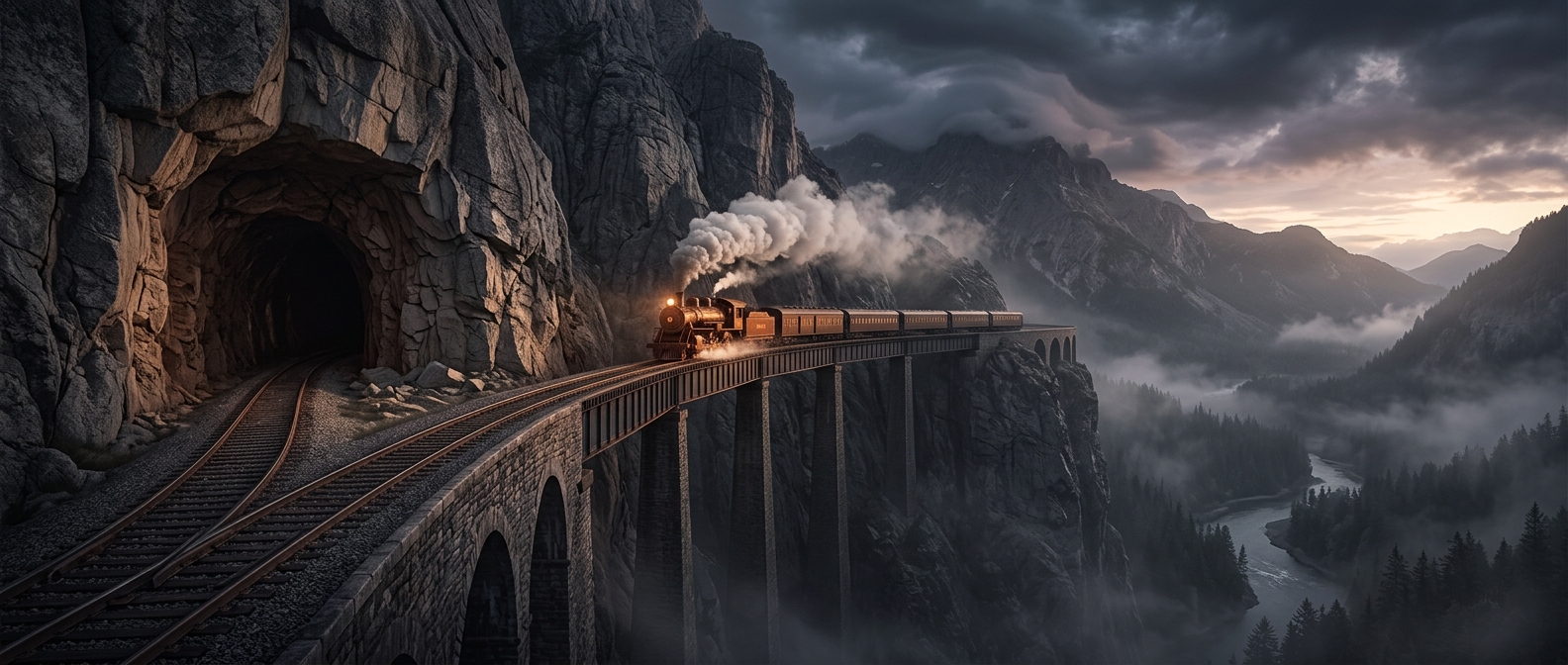
A tunnel cuts through the high ground; a bridge carries the track across the low ground. Together, they can make a route both shorter and gentler. The time saved is not just the distance avoided: trains may also keep a steadier speed instead of braking for a winding approach and accelerating again afterward.
The shortcut has to fit the train
Rail engineers design around limits on curvature and gradient. A tunnel or bridge is useful only if the track can connect to it without creating a slope or bend that trains cannot handle. The approaches matter as much as the structure itself: a long, gradual rise into a tunnel may take more land and construction than the tunnel’s visible entrance suggests.
Bridges also have to carry the weight and repeated vibration of trains while resisting wind and movement in their foundations. Tunnels need stable ground, drainage, and enough room for the track and train. The local rock, soil, water, and terrain determine how difficult those tasks become, so two structures of similar length can demand very different amounts of work.
Years of construction, minutes on the clock
Building a new alignment can interrupt existing rail service and require extensive work before a train can use the shortcut. Yet once open, the route may save a small amount of time on every trip and make schedules more reliable by avoiding slow, winding sections. The benefit accumulates across thousands of journeys, while the construction cost and disruption arrive up front.
That is the railway’s unusual bargain: a major, lasting alteration to the landscape in exchange for a modest reduction in each passenger’s journey. The bridge or tunnel is easiest to notice; the smoother speed and fewer minutes spent following the valley’s curves are the point.