A carriage can count as licensed premises
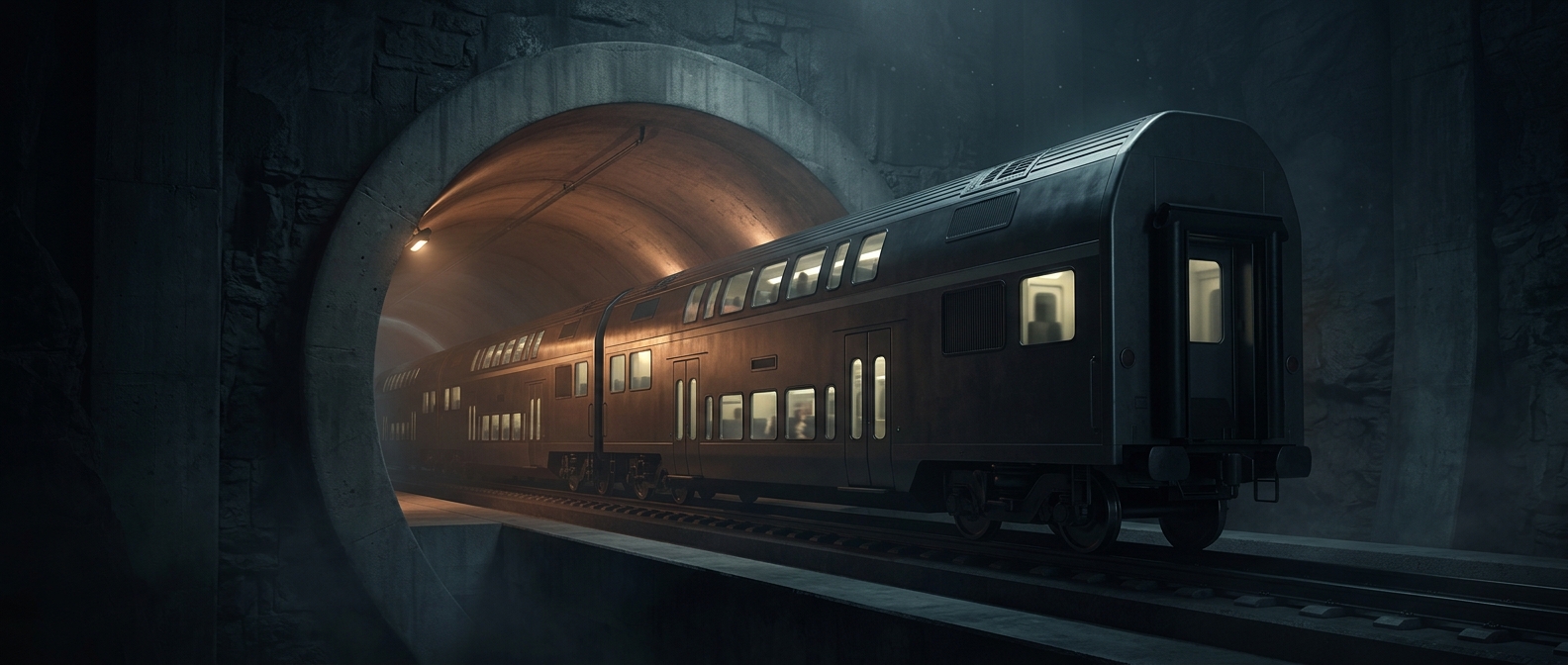
A train does not make drinking legal simply by moving. The key is the licence that governs the place where alcohol is sold or served. In some systems, an operator can hold a premises licence covering onboard service, much as a pub or restaurant holds one for its fixed site. The railway carriage then functions as a licensed venue while it is operating.
That distinction matters: the train’s movement is not a loophole that overrides alcohol laws. The operator must serve alcohol within the conditions of its licence and the rules that apply in the relevant jurisdiction. A passenger’s permission to drink therefore depends on the service and setting being authorized, not merely on being aboard a train.
The venue moves; the rules still apply
On a fixed premises, staff can stop service and close the bar at a set time. On a train, the licensed space travels with its passengers, so practical limits can be tied to the journey. Staff may stop serving before arrival, and the operator may restrict alcohol on particular services or in particular circumstances.
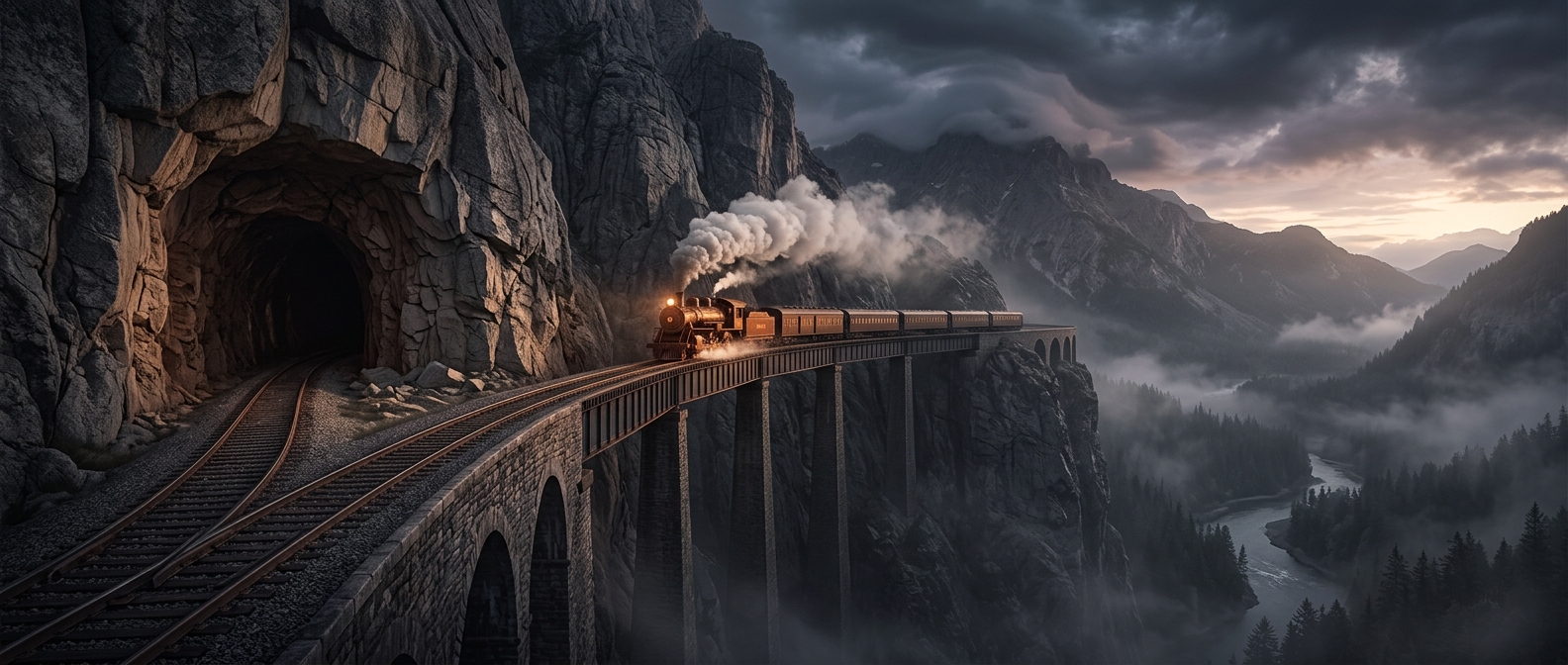
The timetable makes that boundary unusually visible. If service ends before a passenger reaches their stop, the train’s role as a bar ends on the operator’s schedule—not because the carriage has ceased to be a train, but because licensed service is controlled by the operator and its licence conditions. The result is a pub-like experience with a distinctly railway constraint: last call can be measured in stations.