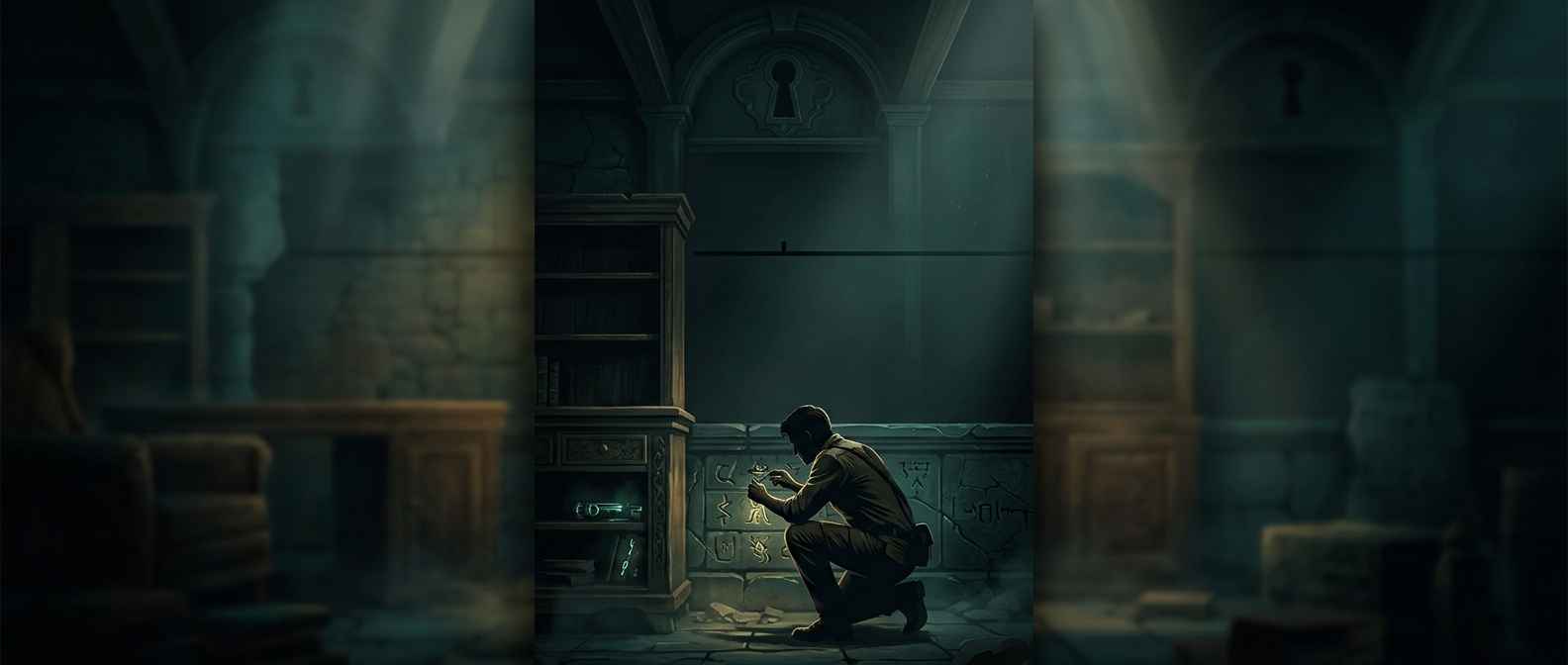
Reachability Is Part of the Puzzle
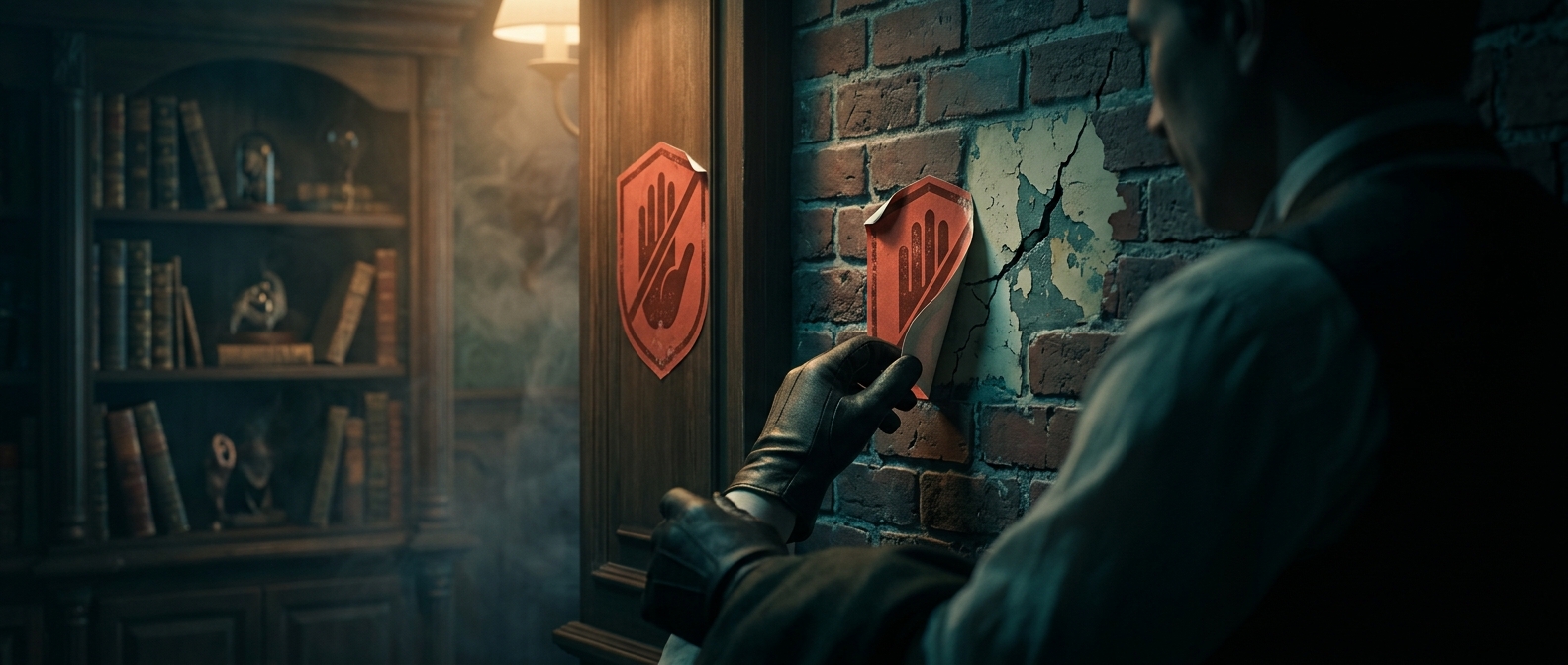
A clue can be difficult to notice or interpret without being physically difficult to reach. Keeping interactive objects below six feet lets designers make players search shelves, examine furniture, or test a prop without turning the puzzle into a climbing task. The challenge stays focused on observation and reasoning rather than balance or upper-body strength.
That distinction matters in an escape room, where players may be moving quickly, sharing a tight space, and working in dim light. A cabinet or decorative structure that looks sturdy may not be built to support someone’s weight. If a solution requires climbing it, the room has quietly introduced a hazard—and may leave some players unable to participate.
Design the Reach, Then Hide the Clue
Placement still has to feel natural. Designers can conceal a key in a drawer, tuck a code beneath an object, or disguise a compartment in a wall feature while keeping the point of interaction accessible. The trick is to make the clue hard to find, not hard to physically retrieve.
This also affects how a group searches. When players can reach the same objects, they can trade off examining them and share discoveries without one person becoming the designated climber. A useful escape-room prop invites investigation; it should not invite someone to stand on it.**