When the kidneys cannot keep up
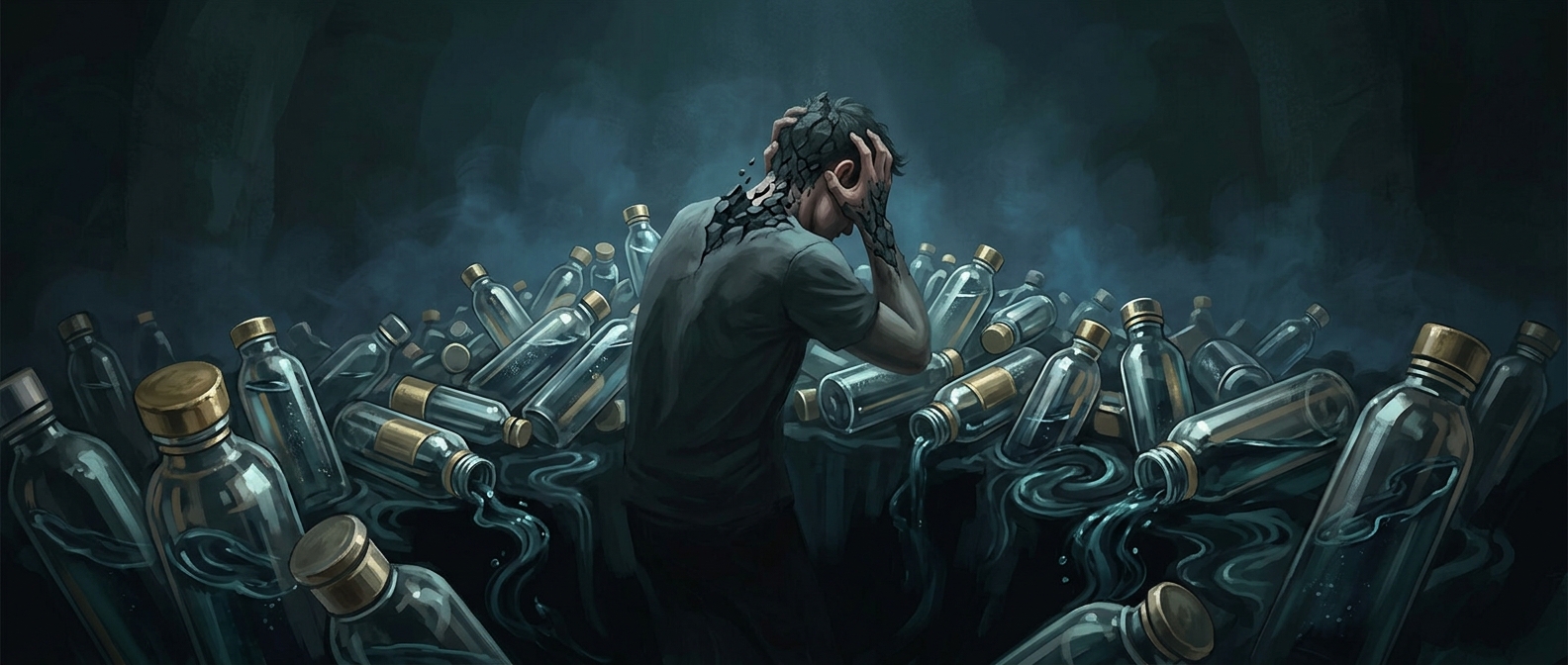
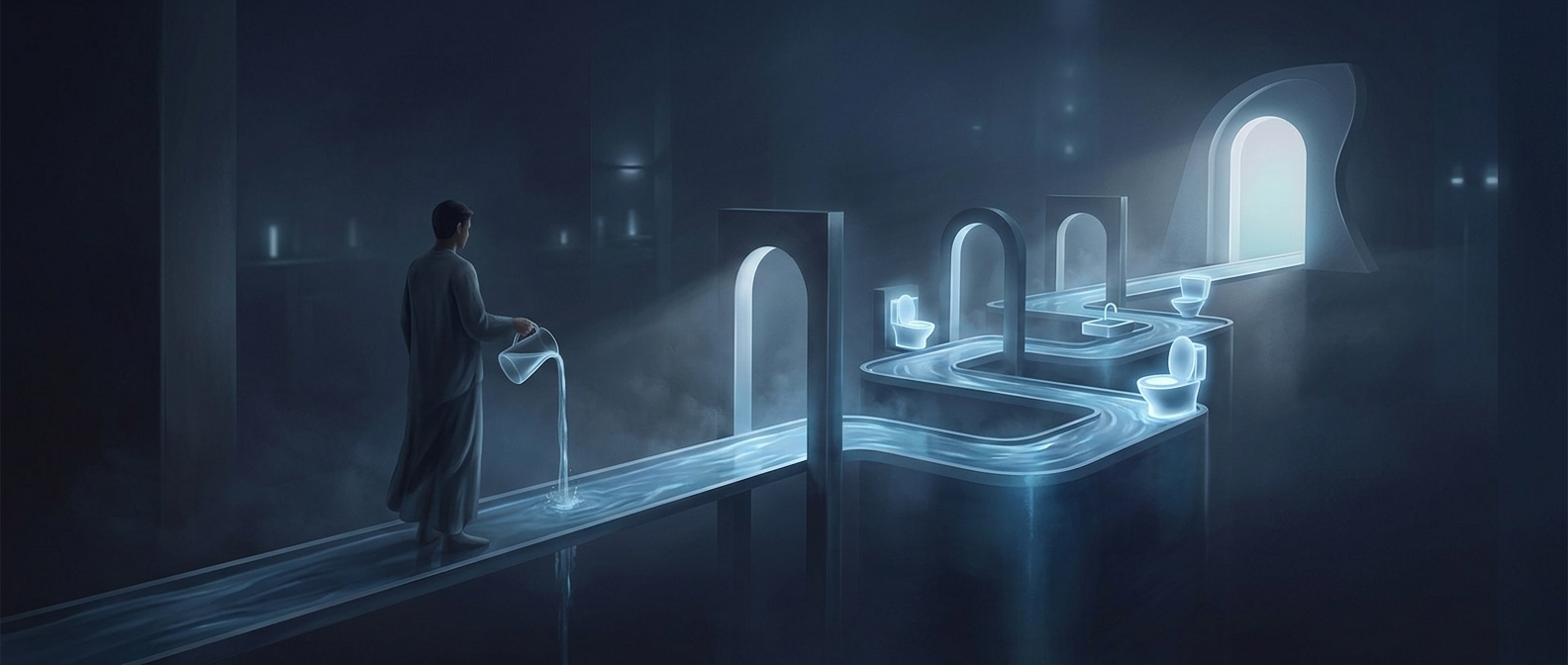
The danger is not simply drinking “too much” in the abstract; it is taking in water faster than the body can remove it. The kidneys continually adjust how much water leaves in urine, but that process has limits. During prolonged exertion, stress hormones can also make the body hold on to water, so a person may retain more of what they drink than expected.
As extra water enters the bloodstream, the sodium concentration falls. Sodium is an electrolyte—a charged mineral that helps regulate water distribution and supports nerve and muscle function. In this situation, the problem is often too much water relative to sodium, not necessarily a sudden loss of all the body’s sodium.
Why the brain is especially vulnerable
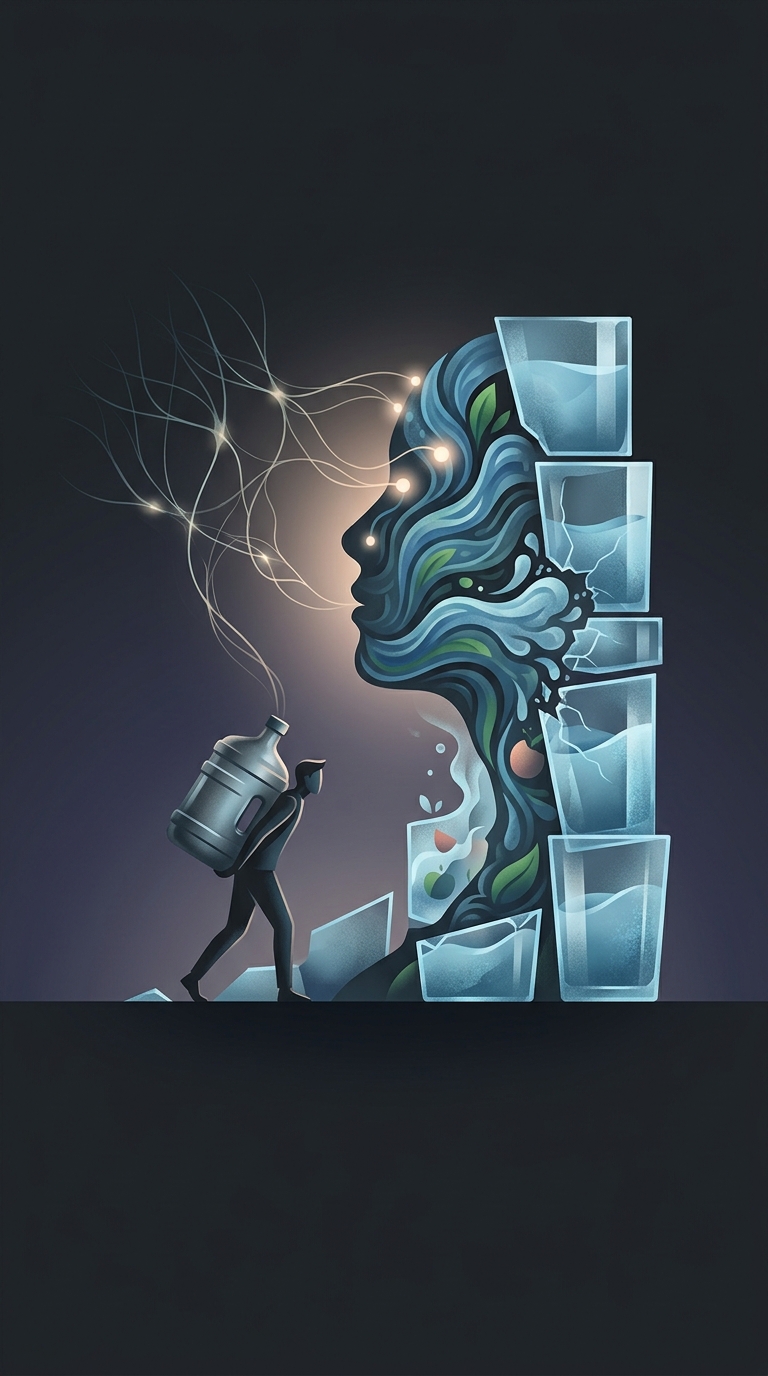
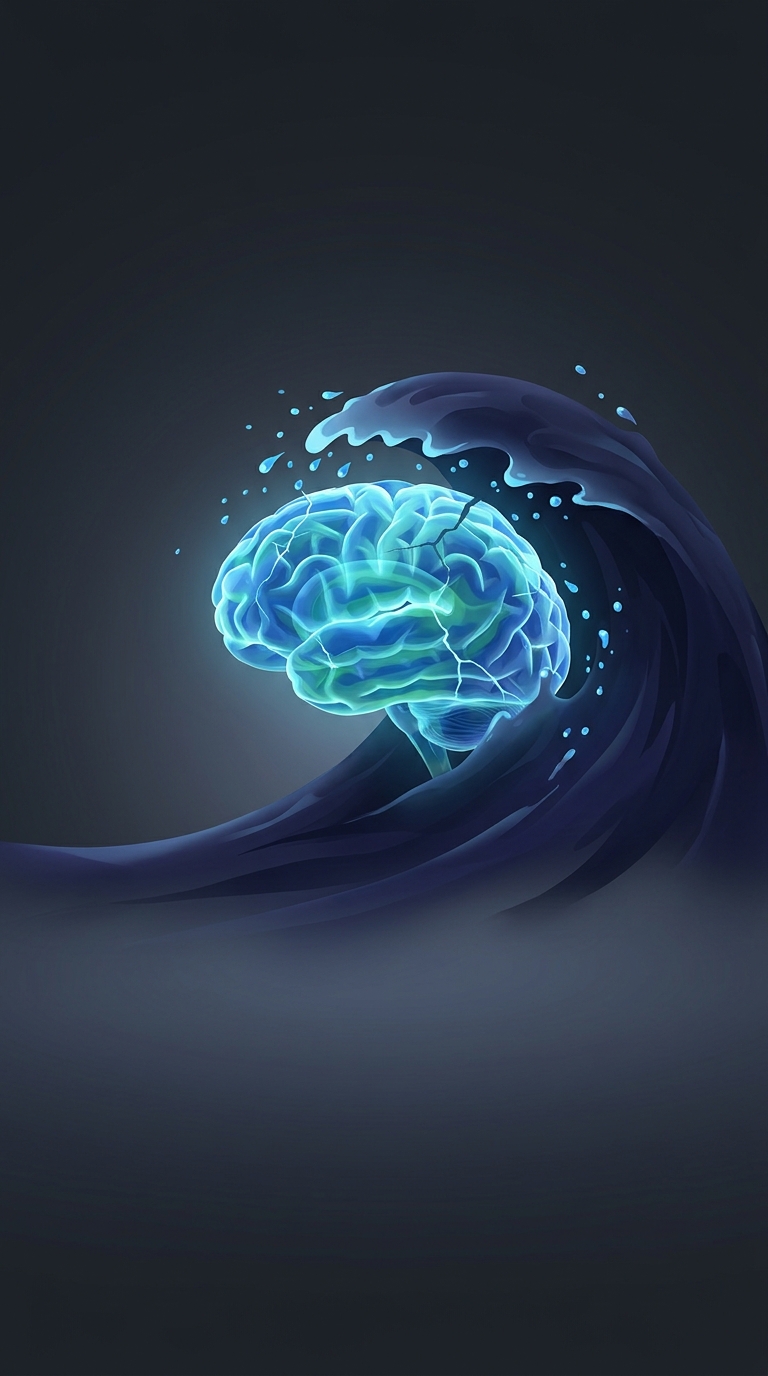
Water moves across cell membranes toward the more concentrated side. When the fluid outside brain cells becomes unusually dilute, water shifts into the cells, making them swell. The brain sits inside the skull, a rigid enclosure that cannot expand to accommodate much extra volume. Rising pressure can interfere with normal brain function and, in severe cases, become life-threatening.
Early symptoms may include headache, nausea, or confusion. Worsening swelling can lead to seizures, loss of consciousness, and other critical complications. Because those signs can resemble problems caused by heat or exhaustion, severe confusion or a seizure after heavy fluid intake requires urgent medical attention.
The practical distinction
Thirst and fluid needs vary with heat, activity, and health, but forcing large amounts of water in a short time can outpace the kidneys’ ability to clear it. During long events, drinking without accounting for changing conditions can be risky; the body’s fluid balance depends on both water intake and water loss. The key is that water is essential, yet more is not automatically safer when it arrives faster than the body can restore its balance.