A quiet upper body makes fast feet stand out
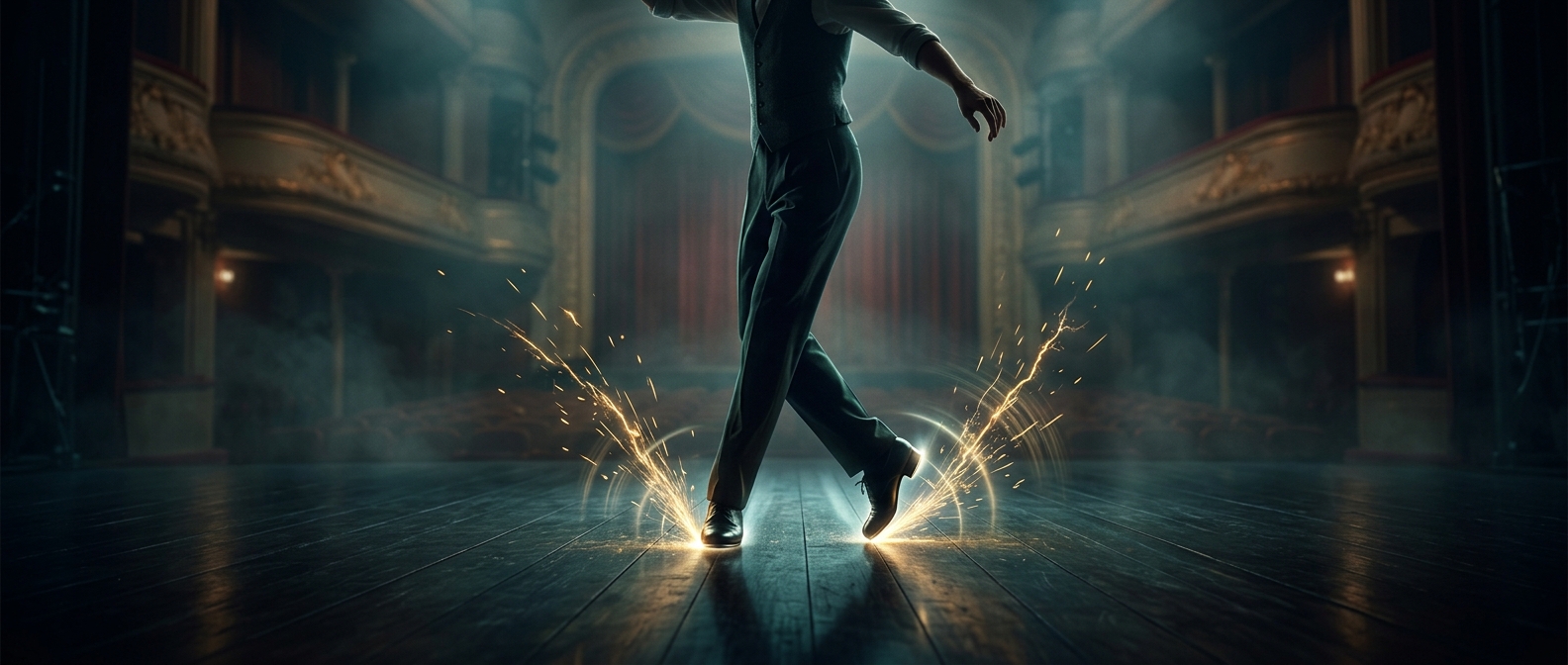
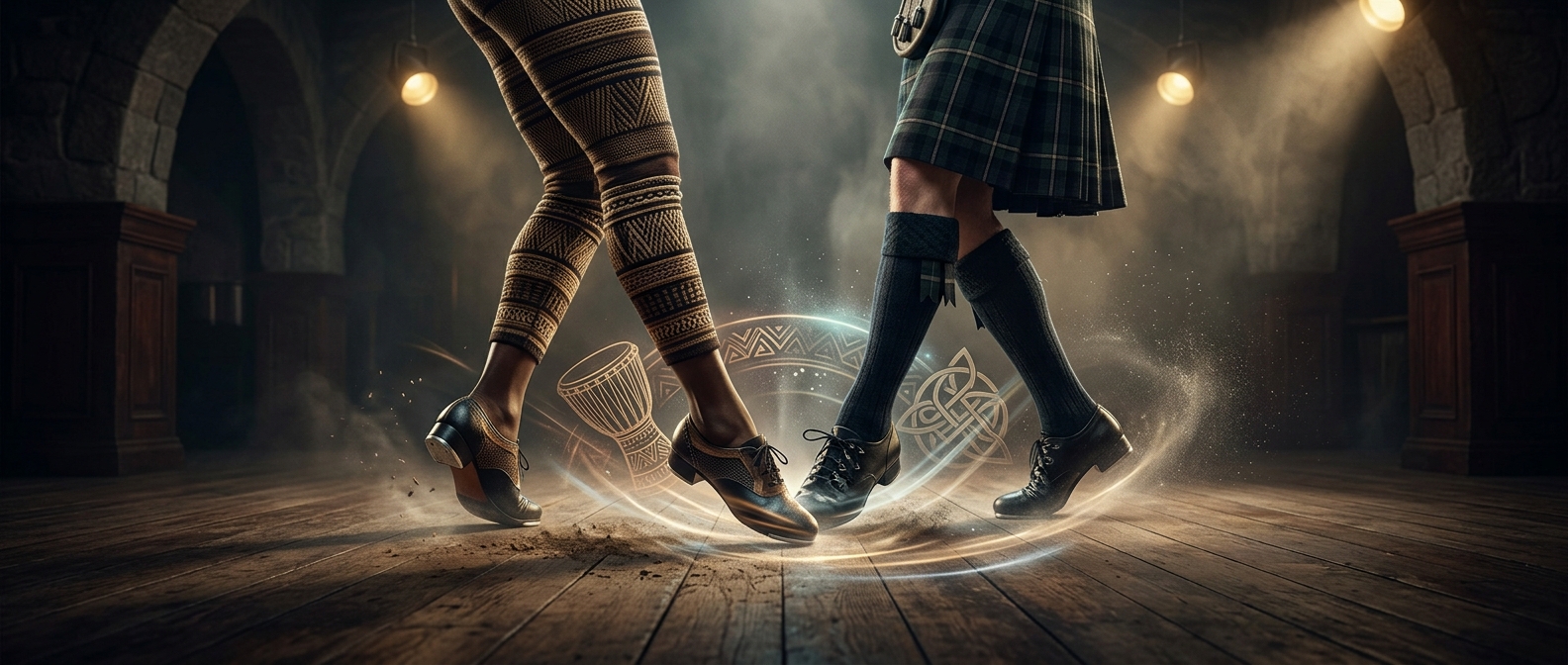
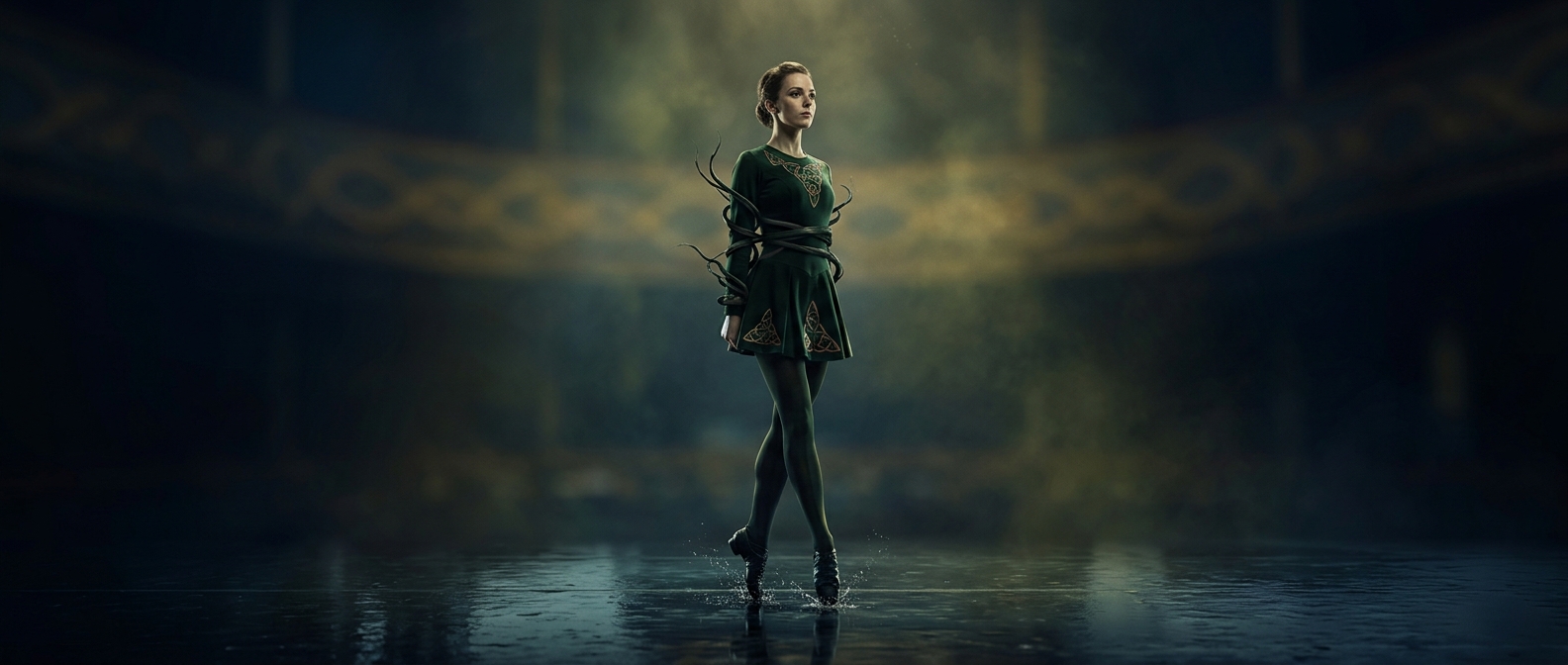
In Irish stepdance, the contrast is part of the visual design: the torso and arms stay composed while the feet move rapidly through precise steps. With little arm movement to compete for attention, an audience can follow the footwork more easily—its speed, rhythm, and small changes in direction become the show’s main event.
That stillness also makes the dancing look more controlled. A lifted, steady posture gives the moving legs a clear frame, so a quick sequence reads as deliberate choreography rather than general motion. The effect depends on the contrast: the calmer the upper body appears, the more striking the feet seem.
Still does not mean effortless
Keeping the arms in position is itself a performance discipline. Dancers have to maintain their posture while coordinating quick steps and responding to the rhythm. If the shoulders or hands begin to move unnecessarily, they can distract from the lower-body pattern and weaken the clean lines the style emphasizes.
The result is a deliberate division of attention: the upper body supplies visual stillness, while the feet supply motion. That contrast is why a dancer can seem almost statue-still from the waist up even as the steps below are moving at a startling pace.