Why a Gladiator Might Want Some Padding
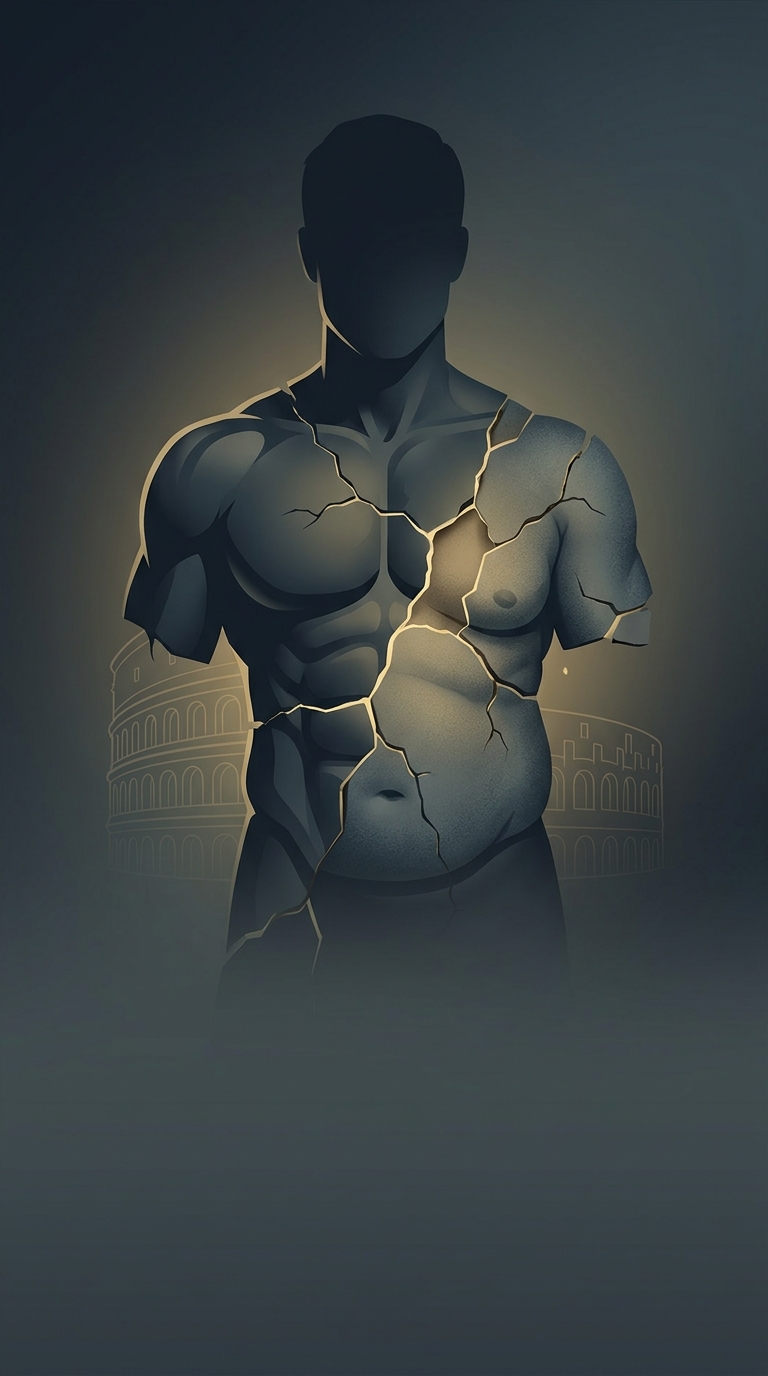
Gladiators trained for strength and endurance, but their goal was not the sharply defined physique prized in modern bodybuilding. Many appear to have carried a layer of body fat over their muscles. That padding could help in combat: a shallow cut through fat might bleed dramatically without reaching a muscle, joint, or major blood vessel. In an arena, a wound could look serious while leaving a fighter able to continue.
The trait was not simply softness. A gladiator still needed the conditioning to wield weapons, maneuver in armor, and withstand a punishing bout. The useful combination was a strong, trained body with enough fat beneath the skin to provide a bit of protection.
A Diet Built for the Arena
Evidence from gladiator remains at Ephesus, in modern Turkey, points to a diet rich in plant foods such as barley and beans. Ancient writers also associated gladiators with barley, earning them the nickname “barley men.” Such a diet could support demanding training and help fighters maintain weight; it did not aim to produce the lean look expected of movie warriors.
The exact appearance of every gladiator is unknowable, and fighters’ bodies would have varied. But the practical logic is memorable: in a spectacle where visible blood mattered, a little extra padding could make a wound look worse than it was—and help keep the fighter in the fight.