Why Five Nights at Freddy’s Makes Players Investigate
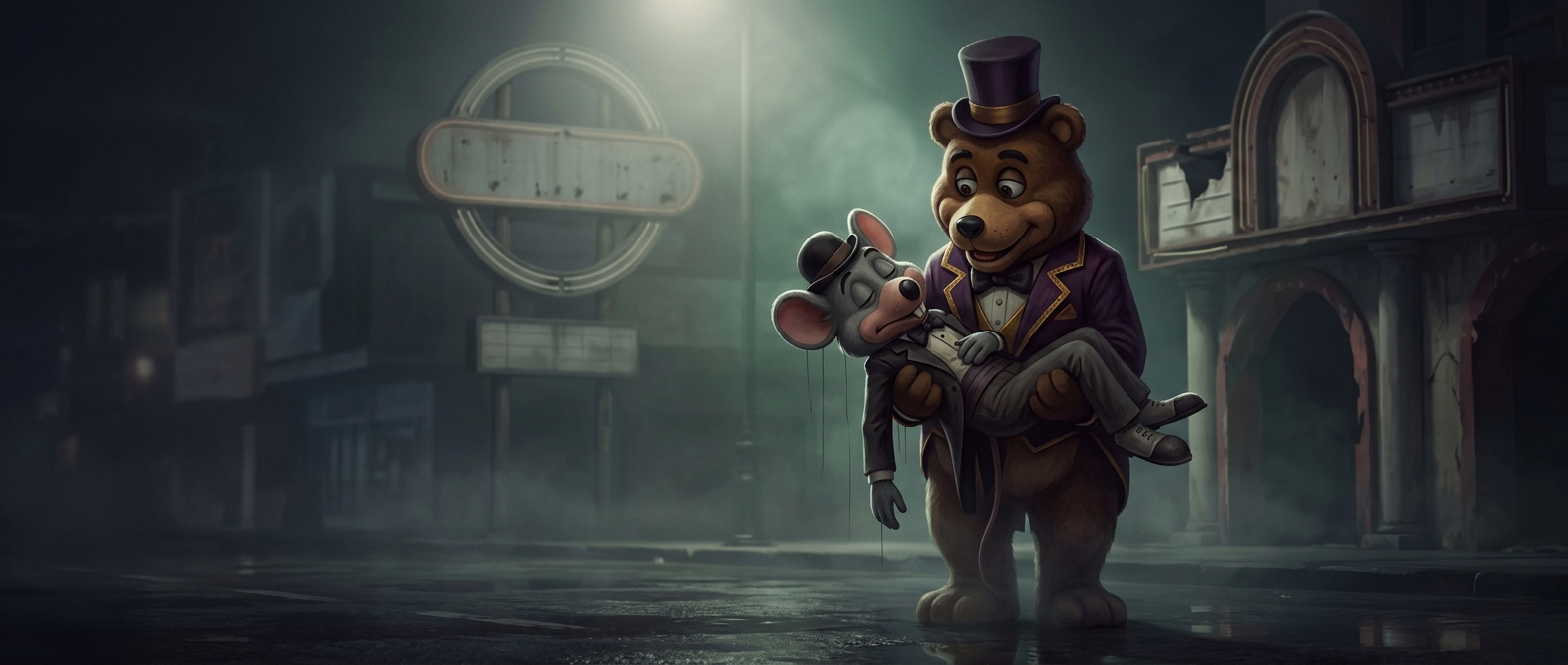
The Five Nights at Freddy’s games rarely pause to explain their history in a conventional scene. Instead, brief eight-bit minigames, background details, and endings that require extra effort to reach offer pieces of a story about murdered children, haunted animatronics, and William Afton. The player may see an image or event without being told exactly when it happened or how it connects to the rest.
That gap is deliberate in effect, whether or not every ambiguity was planned from the start: a clue becomes something to interpret. A minigame can suggest a past event, while later games add details that alter how fans read it. Because the fragments arrive out of order and often lack explanation, piecing them together means comparing scenes across multiple games rather than following one clean timeline.
The Community Becomes Part of the Storytelling
This structure changes what players do after finishing a game. They revisit short sequences, compare details, and argue over competing timelines. A theory is not just a reaction to the plot; it is an attempt to supply connections the games leave unstated. Online discussion lets one person notice a detail and another test whether it fits clues elsewhere in the series.
The novels add another complication. They explore related characters and ideas, but they do not always function as a straightforward guide to the games’ continuity. Fans therefore have to ask not only what a passage means, but whether it should be used to explain the game story at all.
Ambiguity Keeps the Mystery Moving
There is a tradeoff: the same gaps that invite investigation can make the chronology difficult to pin down. Yet that uncertainty gives each new installment a second job. It can advance its own horror story while supplying material for fans to reconsider older clues.
In Five Nights at Freddy’s, finishing a game may end the immediate danger, but it does not necessarily end the work of interpretation. The lingering question—what happened, and in what order?—is part of what sends players back to the minigames.