Why a splash can raise a welt
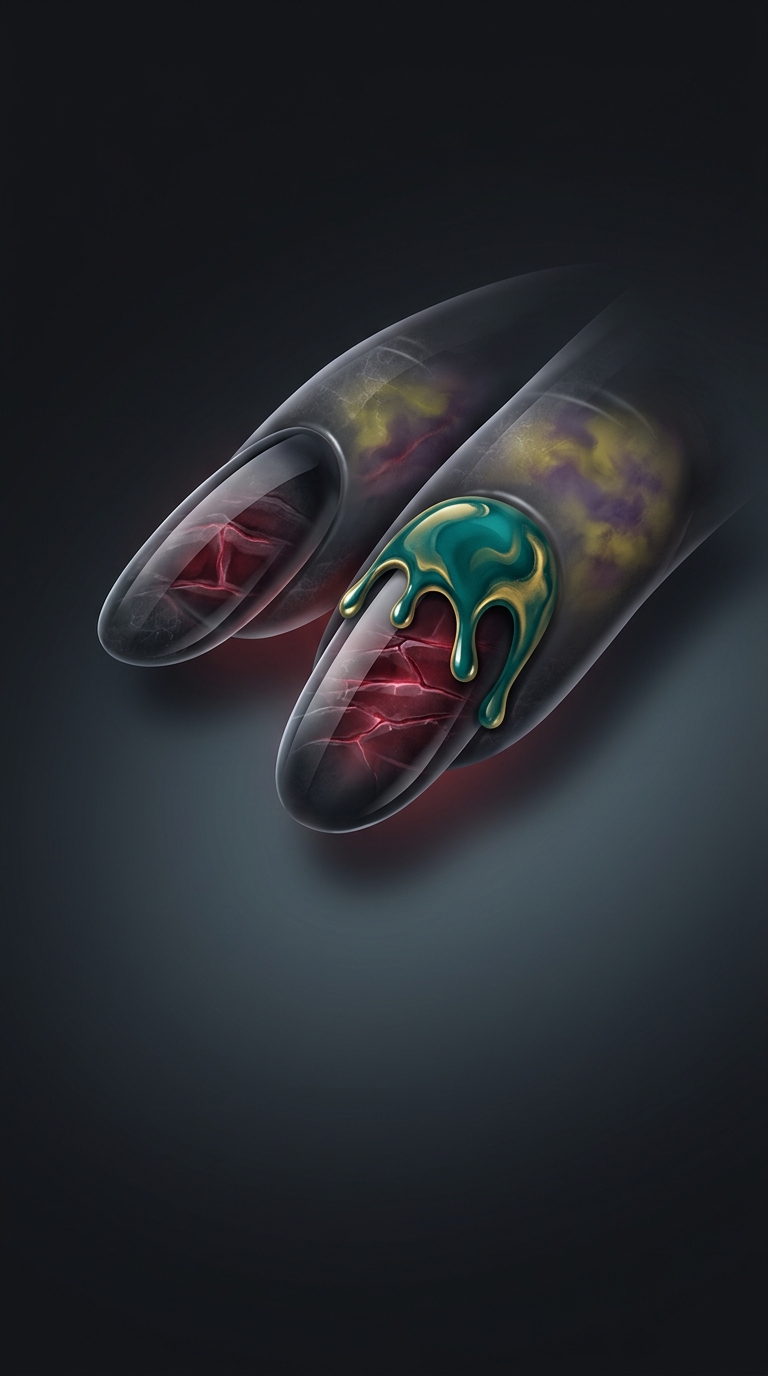
In aquagenic urticaria, the skin reacts after water touches it, even when the water is clean and at a comfortable temperature. The visible welts are a local inflammatory response: skin cells release histamine, which widens nearby tiny blood vessels and makes their walls more permeable. Fluid then moves into surrounding tissue, creating raised, itchy or sometimes painful bumps.
The exact chain that makes water set off this response is not fully understood. The important distinction is that the reaction is tied to water contact itself, rather than to cold, heat, or a particular substance dissolved in the water. That is why rain, bathing, sweat, or tears may all pose a problem.
A reaction that can complicate ordinary routines
Because water is hard to avoid, symptoms can appear during everyday activities rather than only in unusual settings. A shower may bring on welts over the areas it wets; perspiration can make exercise or hot weather uncomfortable. The reaction is generally limited to the skin, though the itching or pain can make routine tasks disruptive.
Clinicians consider the timing and pattern of the rash when evaluating suspected aquagenic urticaria. Similar-looking symptoms can have other triggers, so the key clue is whether skin contact with water repeatedly precedes the welts—not simply whether a person feels itchy after bathing.
The practical consequence
The condition’s trigger is unusually difficult to avoid, but exposure does not affect everyone in the same way. Recognizing the pattern can help a person and a clinician distinguish a water-triggered reaction from one caused by temperature or another contact exposure. A glass of water can be harmless to drink while the same water, touching the skin, sets off a visible response.