Turning Berlin’s air corridors into a supply system
When the Soviet Union blocked road, rail, and canal access to West Berlin in June 1948, the Western powers faced a problem of movement as much as a shortage of goods. The city was surrounded by the Soviet-controlled zone of Germany, but agreed air corridors still connected it to the western occupation zones. The Allies used those narrow routes to keep supplies moving without trying to force a ground convoy through the blockade.
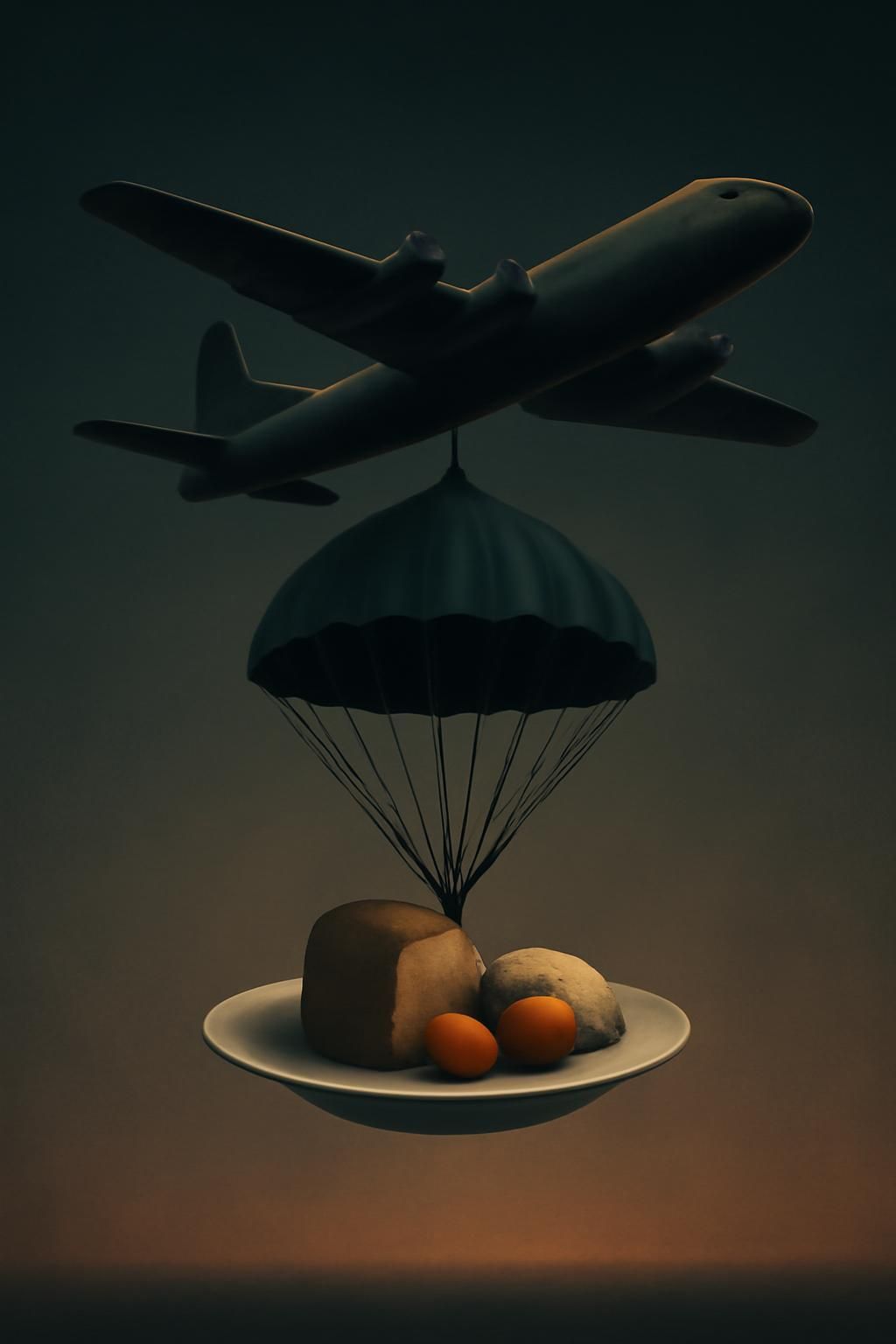
The operation depended on repetition and coordination, not on any single spectacular flight. Aircraft followed controlled routes into Berlin, unloaded, and returned with as little delay as possible. Controllers scheduled arrivals so planes could keep moving through limited airspace, while ground crews sorted cargo and readied the next loads. Coal was especially important: it supplied power and heat, but was bulky and harder to move than food or medicine.
A city had to be ready for the planes
Airfields inside Berlin became crucial bottlenecks. Tempelhof and Gatow handled the incoming traffic, and construction of Tegel airport in the French sector added another landing site. Berliners also helped build and maintain the facilities, making the airlift a local undertaking as well as a military one.
The planes could not deliver everything a city normally received by surface transport, and bad weather or mechanical trouble could disrupt the schedule. But the Allies kept adjusting routes, aircraft, and airport capacity until the stream of flights became sustainable. The blockade ended in May 1949, but the airlift continued for months afterward, building reserves in case access was cut again.
Its lasting consequence was strategic: the Western powers had kept West Berlin supplied without abandoning it or provoking a direct armed clash over the land routes. The city’s survival depended on turning a constrained sky into a dependable link to the outside world.