How early microbial exposure may shape immunity
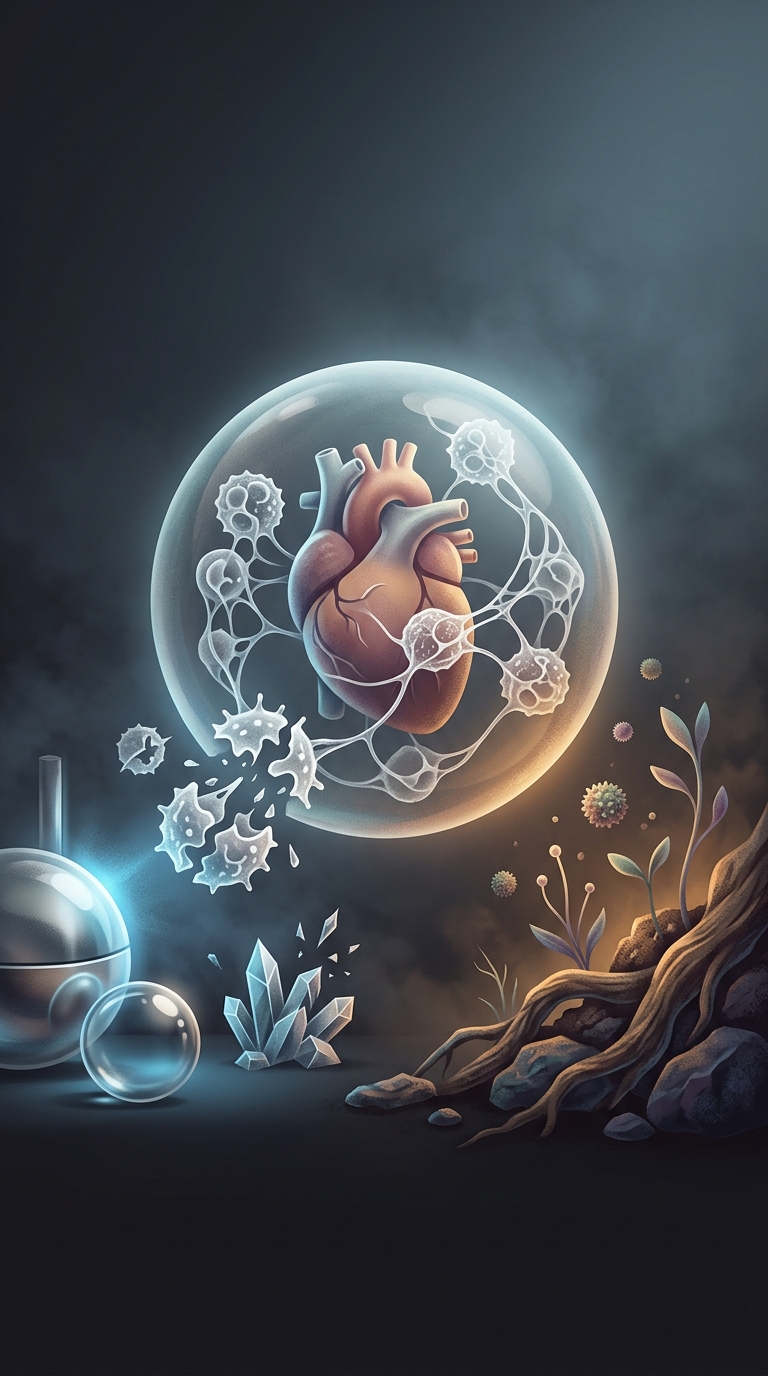
A child’s immune system learns by encountering the world. Microbes that live on the skin, in the gut, and in the environment can help train immune cells to distinguish ordinary, harmless substances from genuine threats. Some researchers use the hygiene hypothesis to describe the idea that changes in childhood exposure to microbes may contribute to rising rates of allergies and some immune-related conditions.
That does not mean children need to eat dirt. The hypothesis is about the range and timing of microbial exposures, not a prescription to seek out germs or abandon basic hygiene. Immune development is also influenced by many factors, including inherited susceptibility and the environments children grow up in.
Clean is not the same as sterile
Handwashing, safe food preparation, and cleaning to prevent infections remain important. These measures reduce exposure to pathogens—germs that can cause disease. Ordinary cleaning does not make a home sterile, and using antibacterial products is not established as a direct cause of allergies or autoimmune disease.
The more useful distinction is between preventing dangerous infections and trying to eliminate every harmless microbe. Everyday contact with people, pets, and outdoor environments can provide microbial variety without deliberately exposing a child to contaminated soil or unsafe food.
What the hypothesis can—and cannot—explain
The hygiene hypothesis offers one possible part of a larger explanation for changing patterns of immune disease. It does not show that cleanliness alone caused those changes, or that a child’s immune system will attack pollen or peanuts if it lacks enough germs. Allergies and autoimmune diseases arise through complex interactions, and no single exposure explains them all.
So parents do not need to choose between a disinfected bubble and a toddler eating mud. Sensible infection prevention can coexist with normal play and contact with the everyday microbial world; the key idea is immune education, not dirt as medicine.