An embassy built for exploration
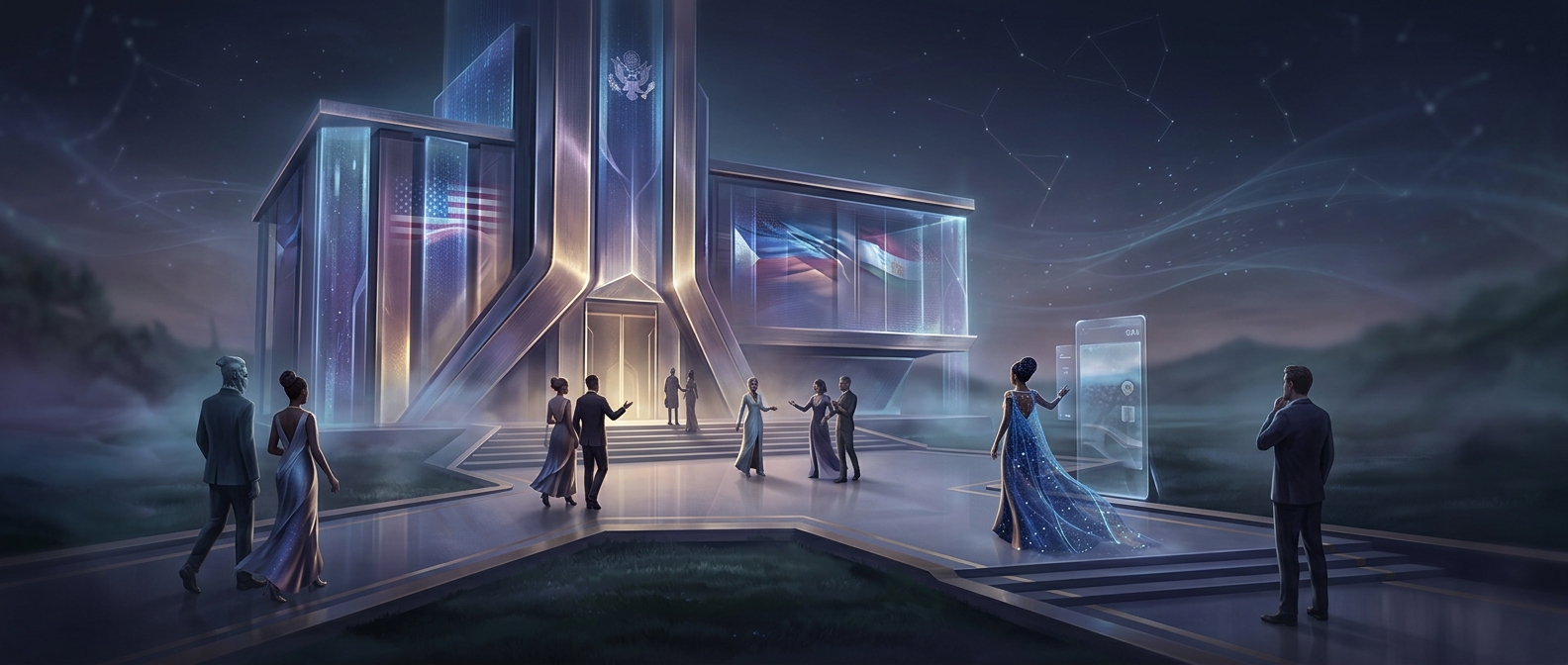
Second Life is a three-dimensional online world where people move through places as avatars. In that setting, an embassy could work less like a counter for official business and more like a place visitors choose to enter and explore. Sweden’s virtual office used a familiar diplomatic setting to make cultural information feel like a visit rather than a webpage.
That change in format matters. A brochure encountered inside a modeled office sits within a scene: visitors can look around, move between areas, and discover information at their own pace. The surroundings give cultural material a sense of place, even though the visitor is navigating a digital environment rather than traveling to Sweden.
A public-facing role, not a physical consulate
The project’s purpose was cultural promotion. Its embassy label borrowed the recognizable form of diplomacy, but the described experience was an exhibit, not a substitute for the practical work of a real-world embassy. The virtual setting made Sweden’s public outreach available to people who could log in, without requiring them to visit a physical office.
The tradeoff is built into the idea: a digital embassy can invite exploration and reach people across distance, but its value depends on visitors choosing to enter and engage. Its most concrete diplomatic gesture was therefore also a design choice—turning a formal office into a space people could wander through.