Why Devil May Cry sends enemies airborne
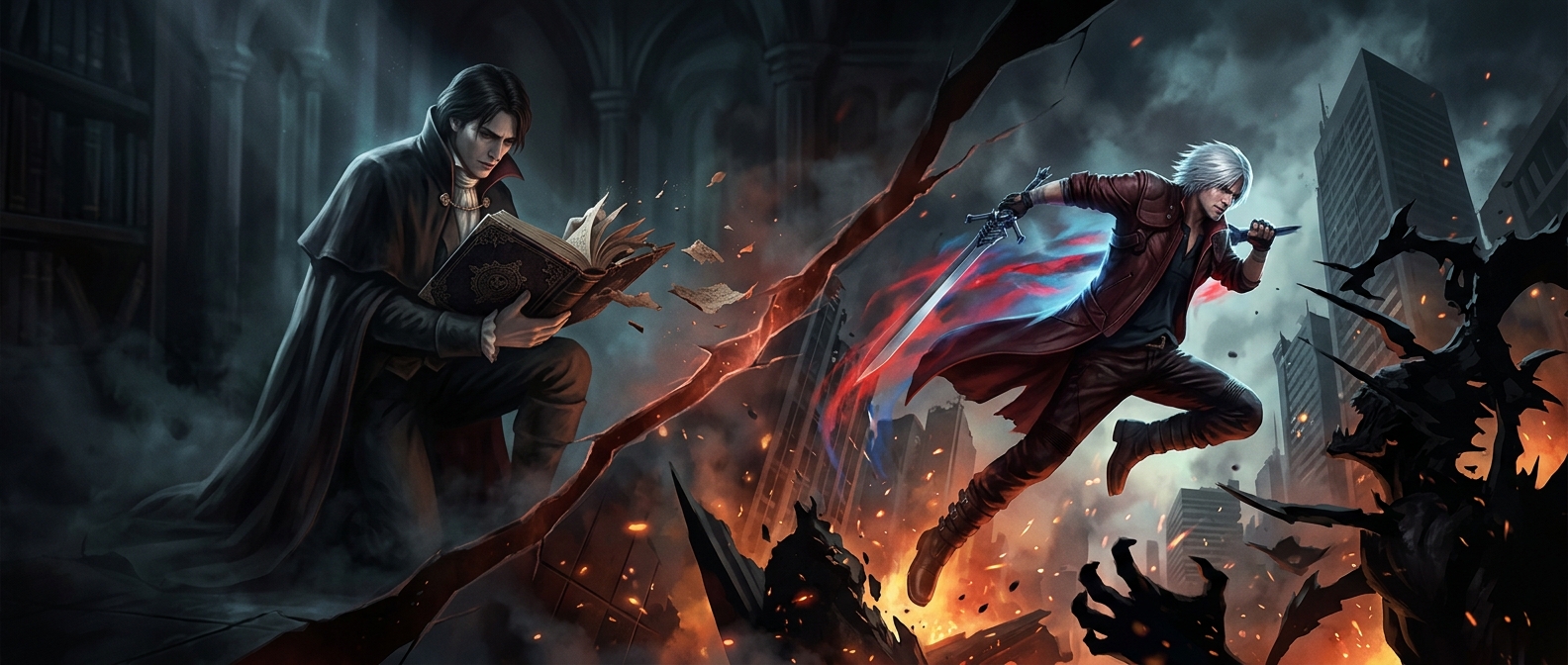
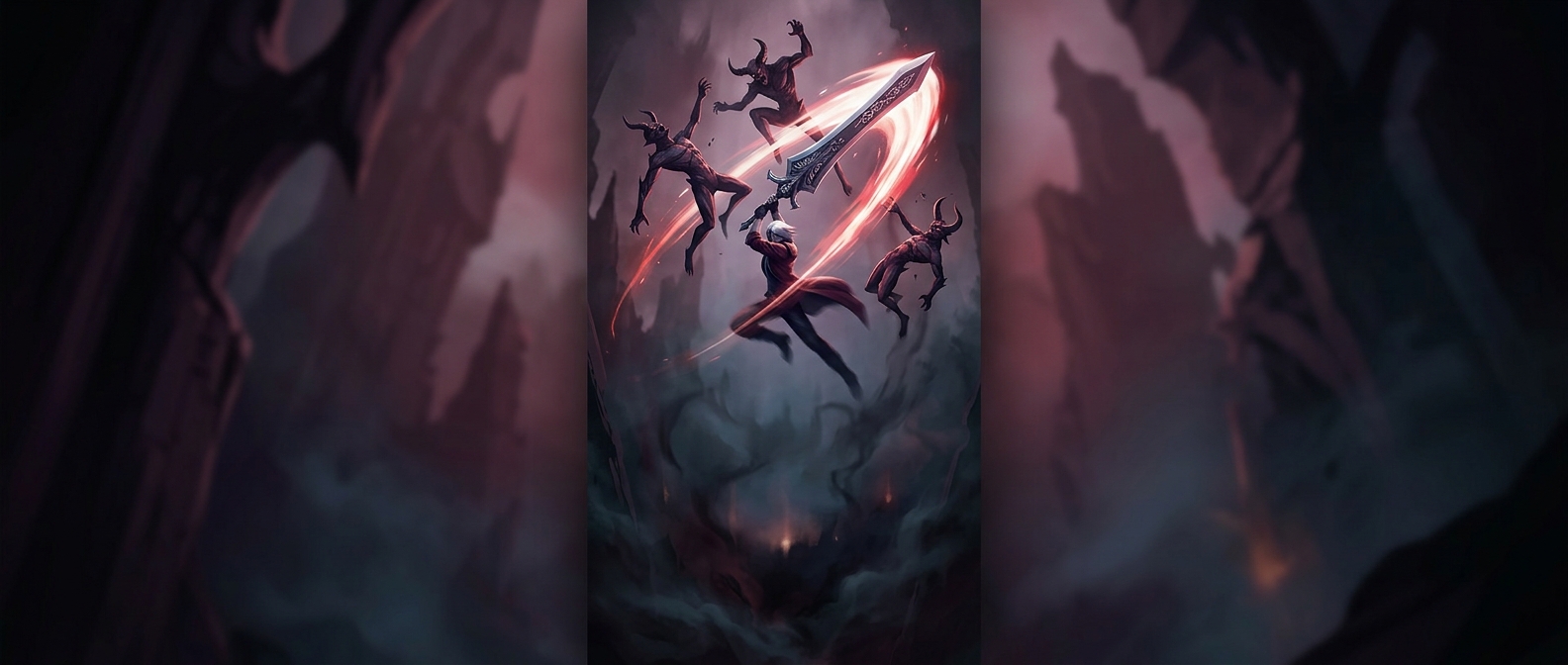
In Devil May Cry, launching an enemy is more than a flashy opening move: it changes the fight’s geometry. Once a foe is off the ground, the player can follow it with jumps and aerial attacks, turning a brief hit into a continuing sequence. The challenge is to keep the target close enough—and the attacks timed well enough—that it does not fall away before the combo can grow.
A juggle is both offense and control
A suspended enemy is temporarily unable to fight back, so a successful juggle can protect the player while dealing damage. But it is not an automatic win. Attacks can send a target drifting out of reach or drop it to the floor, and other enemies may still threaten the player. The player must steer through the air, choose attacks that maintain the sequence, and watch the rest of the arena.
Style comes from making the sequence yours
The games’ style-ranking systems make this approach more than a practical tactic: they encourage players to keep combat varied and continuous rather than repeat one safe move. A launch creates an opportunity to mix weapons and attacks, then return to the ground or move on to another target. The result is a distinctive rhythm—knock an enemy up, chase it, and improvise before it lands.
That rhythm turns a fight into a visible test of control. The enemy’s fall is the clock: every airborne hit buys another moment, but only if the player can stay close and keep the combo alive.