Why chess could look politically dangerous
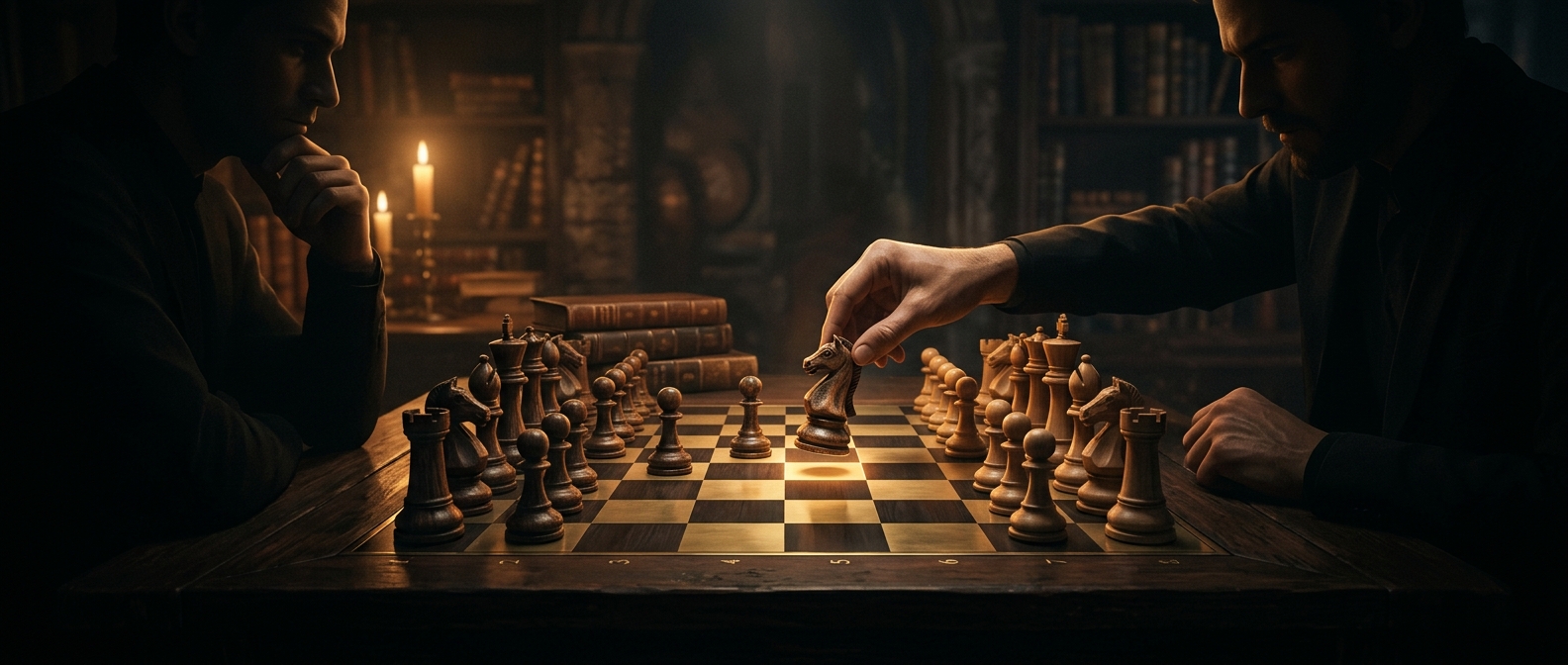
Chess turns conflict into a problem of planning: players weigh threats, protect valuable pieces, and try to anticipate an opponent’s next move. That made the game more than a pastime in the eyes of some rulers. It offered a small, orderly way to rehearse the habits associated with command—without anyone needing an army or a battlefield.
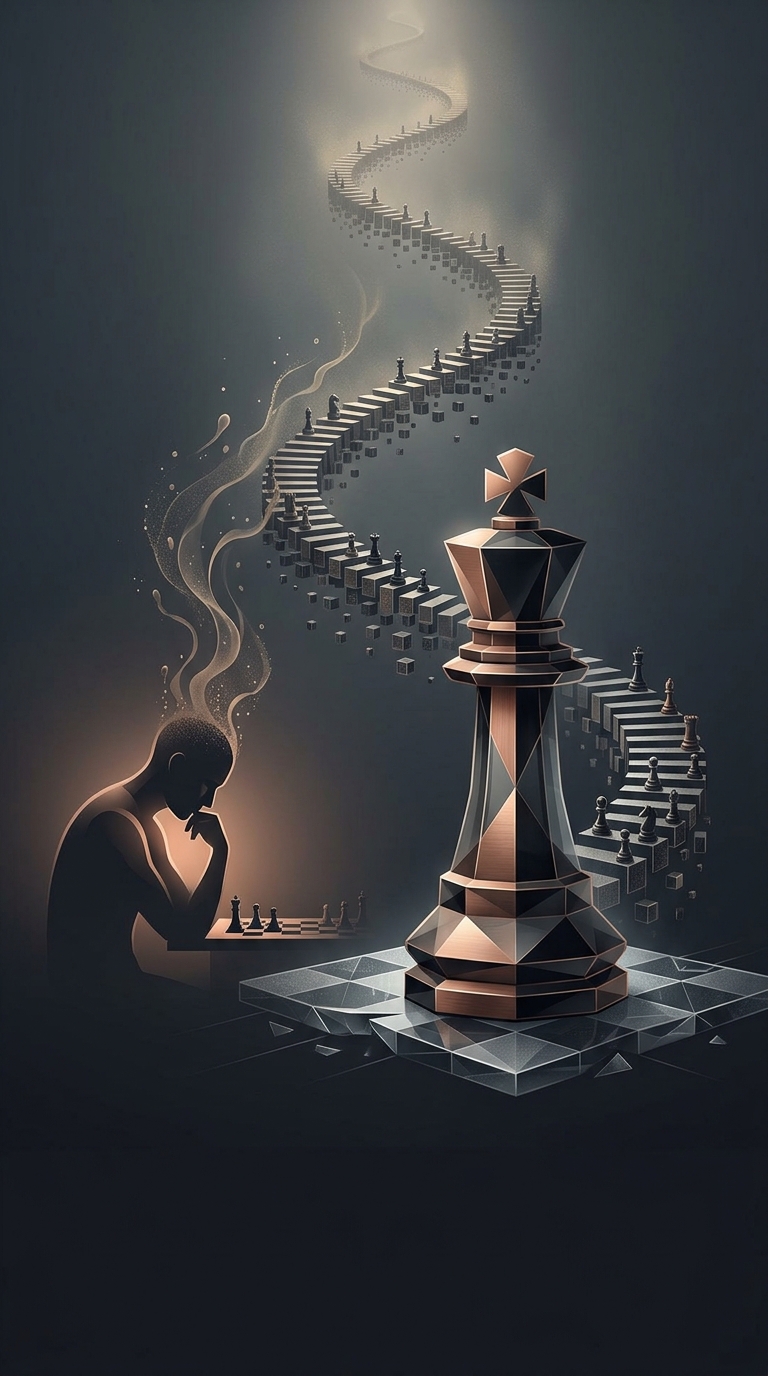
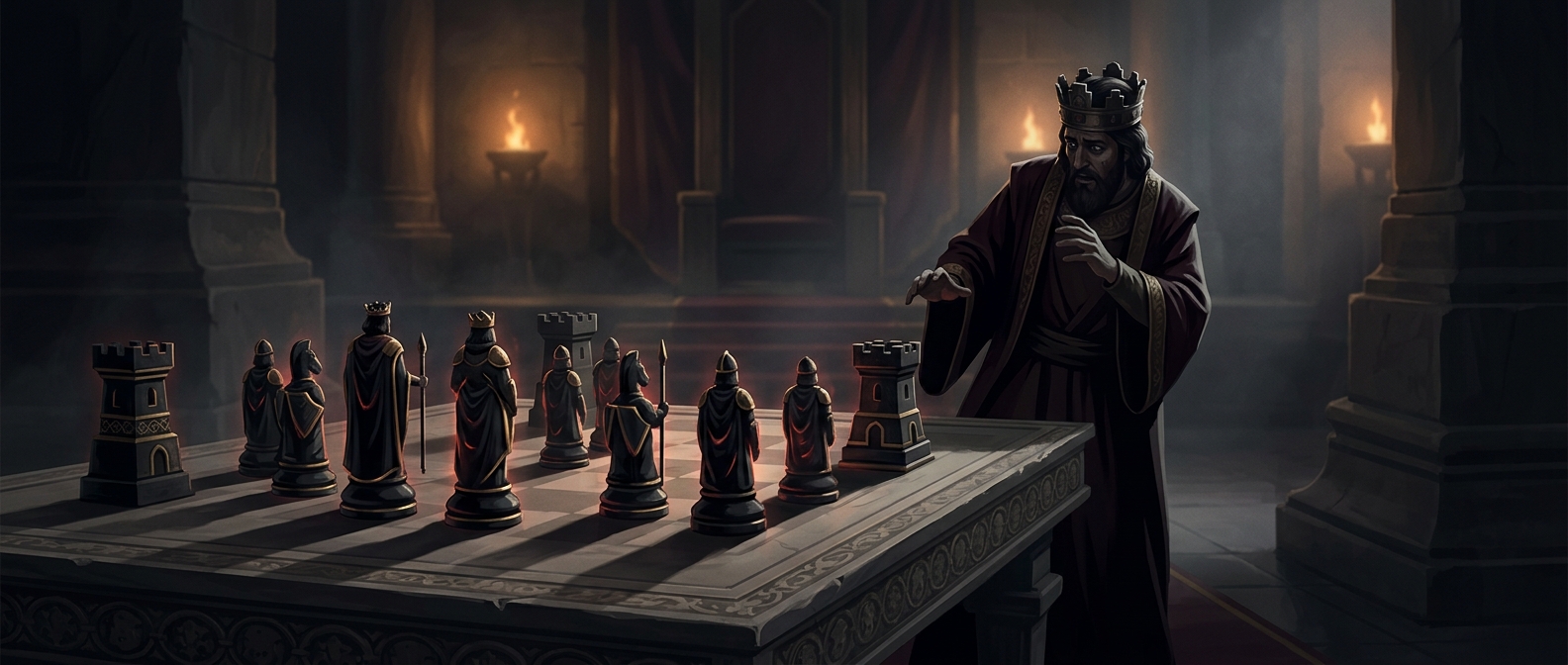
The political worry was not that a chessboard automatically produced rebels. It was that people who practiced thinking several moves ahead might apply that habit beyond the game: questioning a ruler’s decisions, organizing opposition, or imagining how power could change hands. In a society where obedience mattered, even an innocent-looking lesson in strategy could seem unsettling.
The board was only part of the concern
Chess was played among other people, and games could draw players together for extended stretches. A ruler concerned about unrest might therefore see both the strategic thinking and the gathering around it as risks. The game’s direct link to warfare made the suspicion especially easy to understand: its pieces represent forces in conflict, and victory comes from outmaneuvering an opponent.
Bans were not a universal or permanent policy; attitudes toward chess differed across places and periods. But the recurring fear reveals a broader tension: rulers could value strategic skill in commanders while distrusting its spread among ordinary subjects. On a chessboard, planning ahead was harmless play. Outside it, the same habit could become a way to imagine challenging authority.