The Small Power Line Behind an HDMI Connection
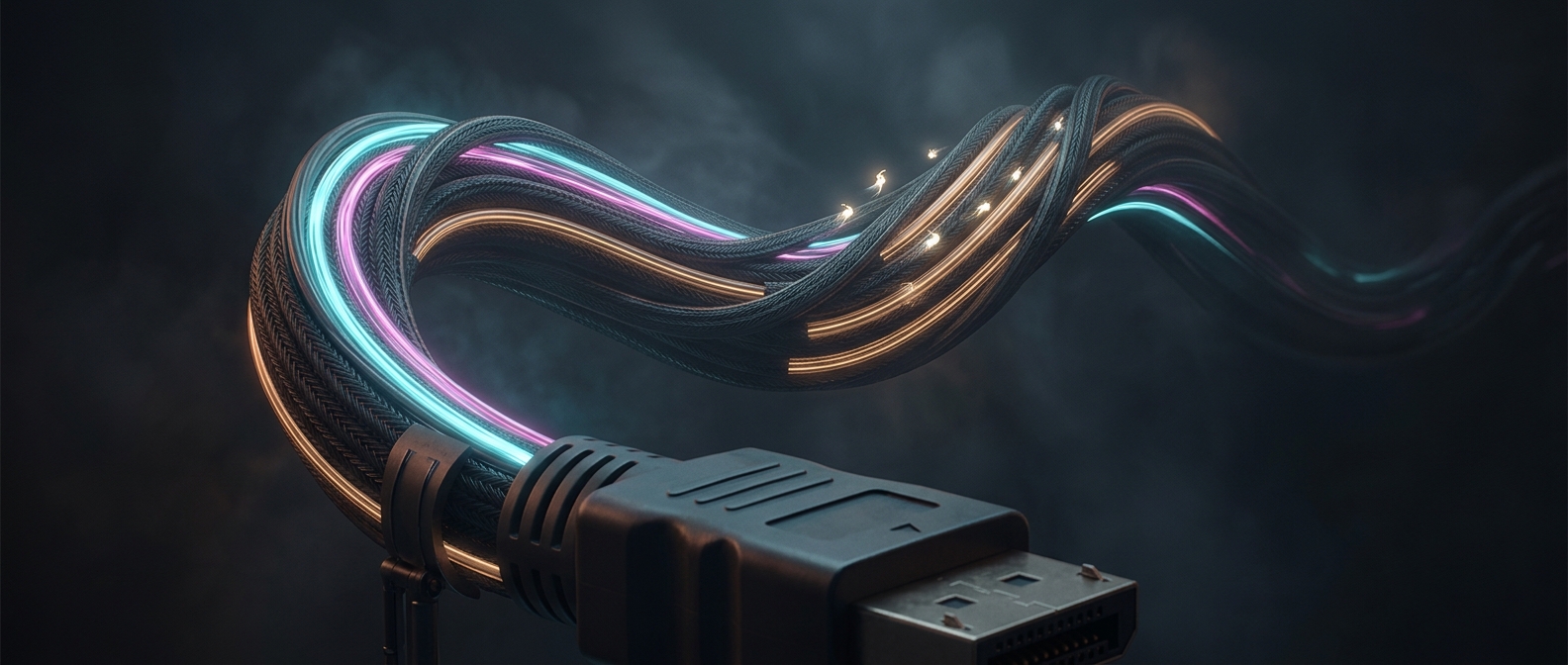
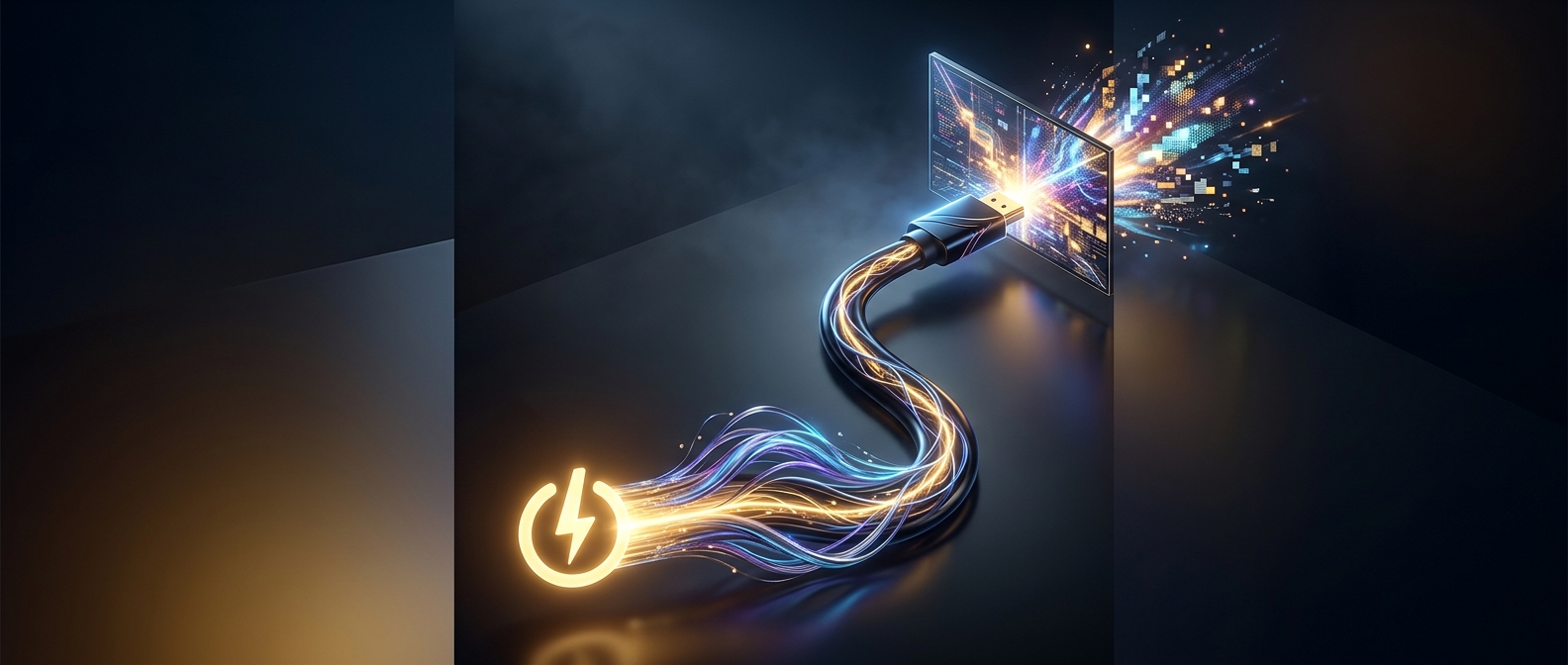
An HDMI cable does more than carry the picture and sound. It also includes a low-voltage 5-volt line, separate from the high-speed data channels. That line can keep the display’s identification circuitry available when the screen is otherwise idle; it is not meant to power the monitor itself.
How the Devices Agree on a Signal
When a display becomes available, it can alert the graphics card through a separate connection. The card can then read the display’s capability information over a slow control channel. That information describes which video and audio formats the display supports, helping the devices settle on a compatible signal before the image appears.
This exchange is often called a handshake, but it is not a single magical speed-setting command. It is a set of small signals and messages that let the source detect the display and learn what it can handle. The high-speed channels then carry the actual picture data.
Why It Matters When the Screen Is Idle
Keeping the identification path available means a computer can notice a connected display without sending a full video stream continuously. It also helps explain why unplugging and reconnecting a cable can prompt a computer to rearrange its displays: the connection has to be detected and its capabilities read again.
So a seemingly simple cable contains two very different kinds of pathways: fast lanes for the image, and modest power and control lines that help the devices decide how to use them.