Why a ship’s warning whistle sounds so low
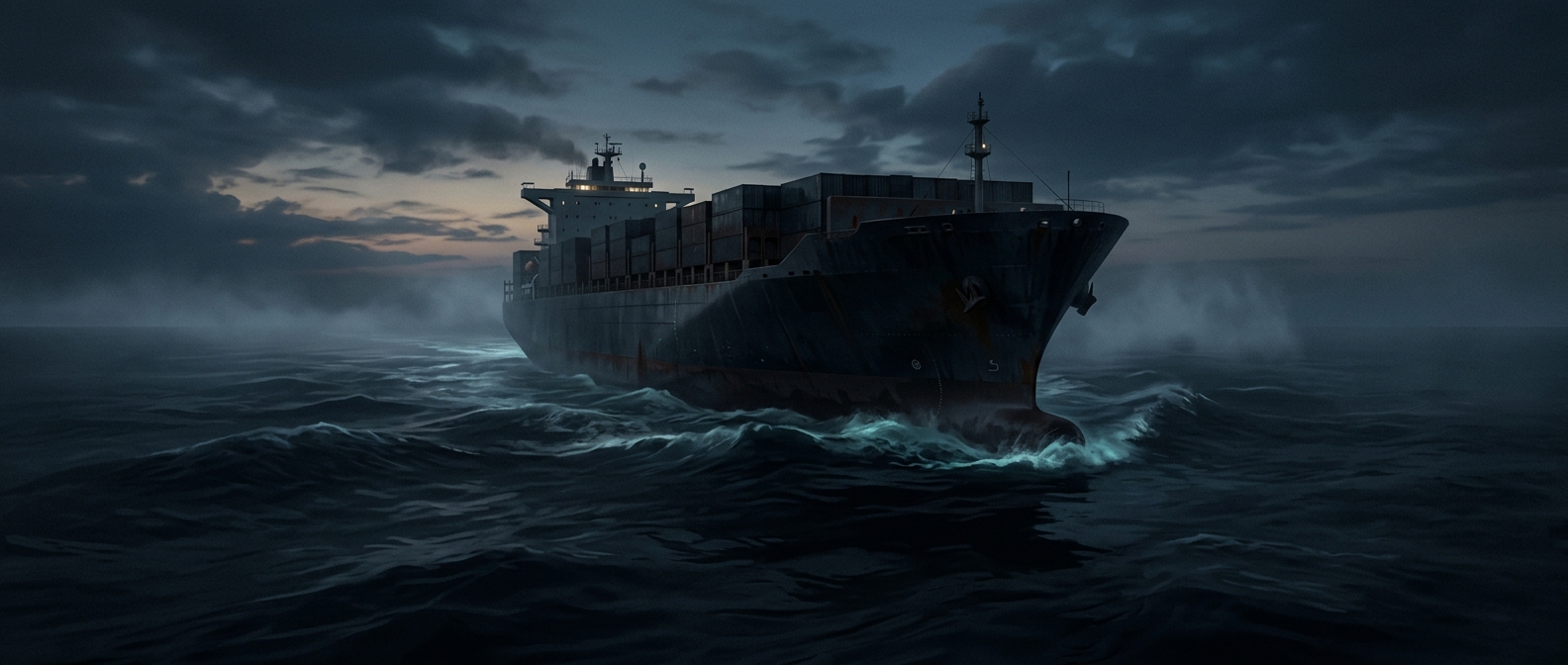
A ship’s whistle is not tuned to a required musical chord. Maritime rules instead specify sound characteristics—including frequency and audibility requirements that vary with a vessel’s length—so other ships can recognize and locate its warning signal. Large vessels use deep notes because lower-frequency sound tends to lose less energy over distance than high-pitched sound, helping a warning carry across open water. Fog does not amplify the whistle; it makes visual signals less useful, so sound matters more.
How a horn makes its sound
Many ship horns use compressed air to set a diaphragm or metal reed vibrating. The vibrating part produces a strong tone, which the horn’s shape helps project. The ship’s hull is not acting as a giant loudspeaker: the sound comes from the horn assembly, usually mounted high enough to send its blast out over the water.
A vessel can have multiple horns with different pitches. Sounding them together, or in a chosen sequence, can create a recognizable musical interval or tune. That is how some cruise ships produce familiar melodies: the tune comes from combining horn notes, not from a special chord mandated for safety.
Safety signal, sometimes used for show
The same powerful equipment serves both practical and theatrical purposes. A whistle can warn nearby vessels or signal a ship’s movements; cruise operators may also use a musical blast as entertainment or a signature flourish. That does not make every tune an emergency signal, and the sound can be startling to people nearby.
The distinction is easy to hear once you know what to listen for: a deep, sustained blast communicates a warning, while several pitched notes arranged as a melody turn the ship’s whistle into an oversized—and very hard to ignore—musical instrument.