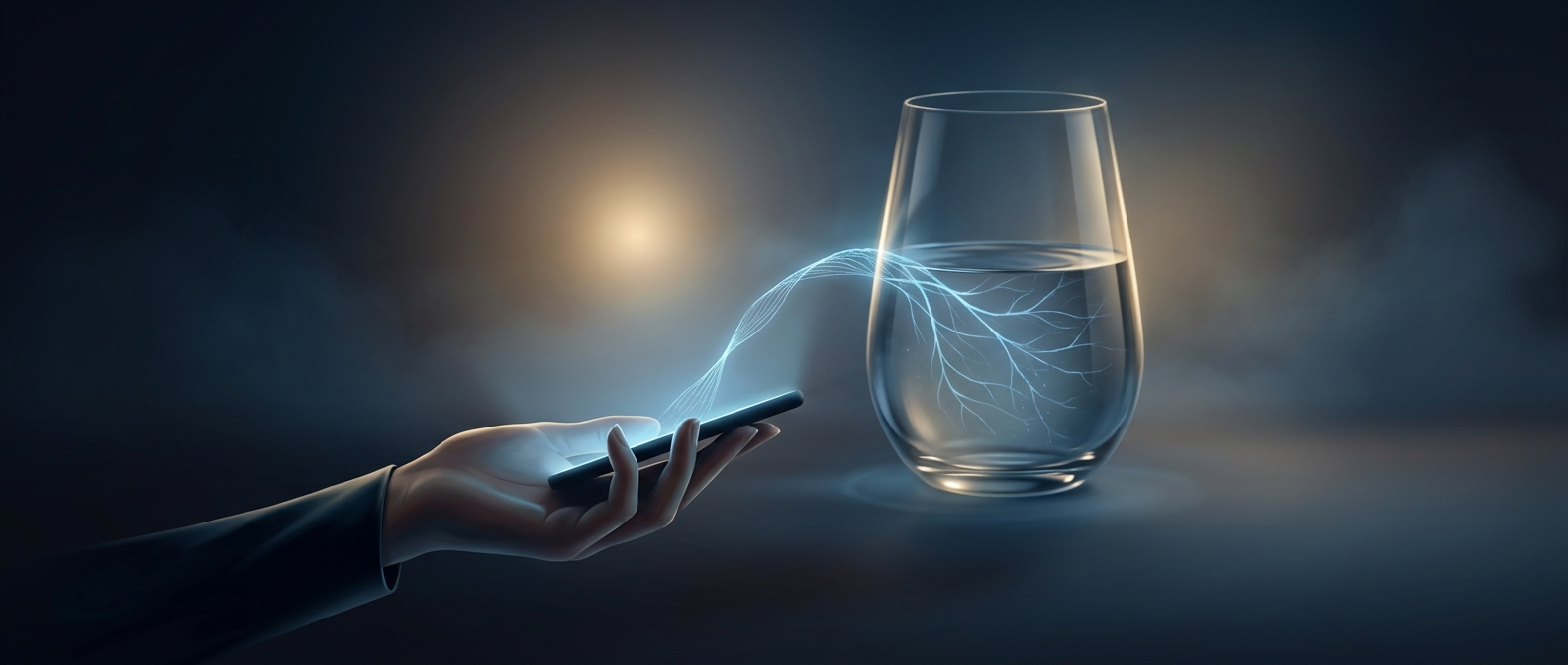
How fluid loss can set off a headache
When you lose more water than you take in, the amount of fluid in your body falls. That shift can affect the balance of water and dissolved salts that helps tissues function. A headache may be one sign of the resulting strain, though dehydration is not the cause of every headache.
Fluid loss can build gradually through sweating, illness, or simply going a long time without drinking. Because thirst and other early cues can be easy to overlook, the discomfort may become noticeable before someone realizes how much fluid they have lost.
Why replacing fluid matters
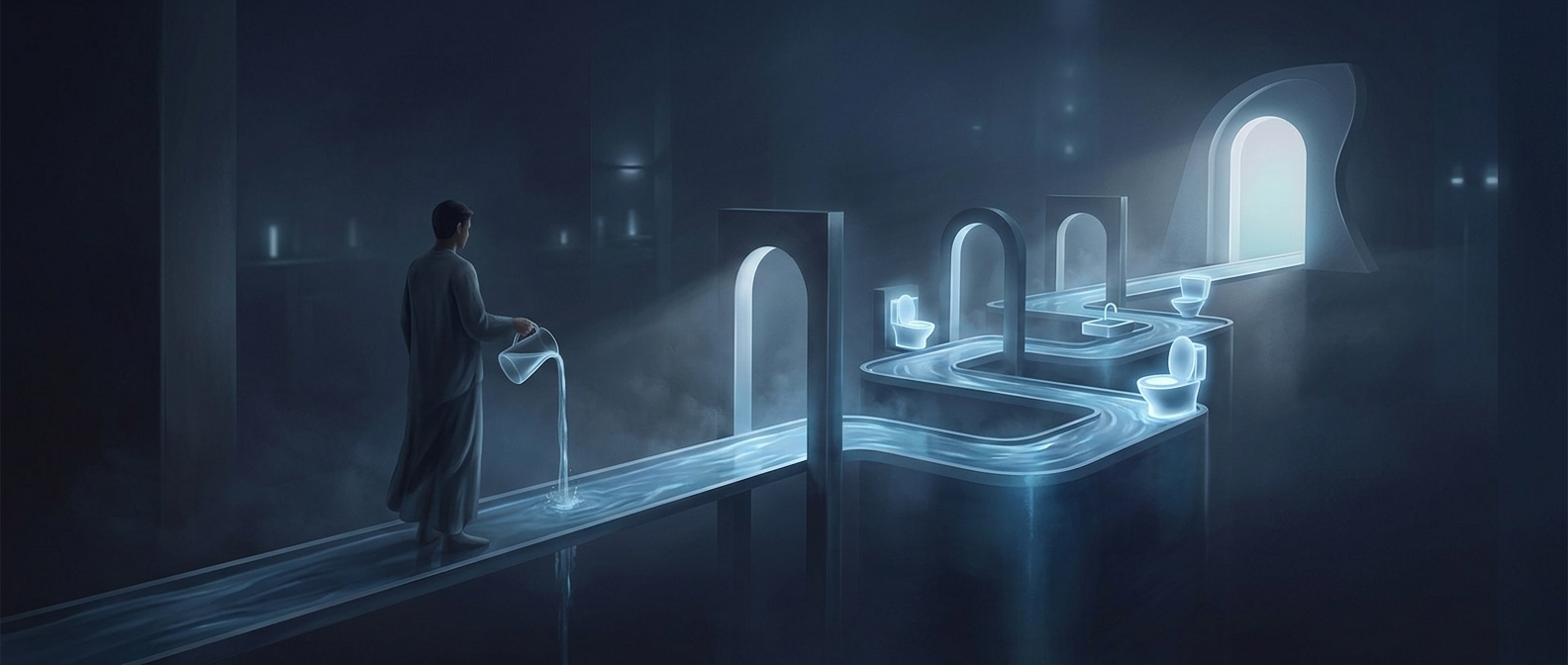
Drinking helps restore the fluid your body is short on. Caffeinated drinks still contribute fluid; caffeine does not make them count as no hydration at all. But a drink in hand is not proof that losses have been fully replaced—especially if sweating, vomiting, or diarrhea is continuing.
If dehydration is behind the pain, drinking and allowing time for the body to recover may help. A headache that is severe, unusual, persistent, or accompanied by concerning symptoms deserves medical attention rather than being assumed to come from dehydration. The practical clue is the sequence: fluid loss followed by headache is a reason to replenish, not a diagnosis on its own.