Swagger makes confidence look like a performance
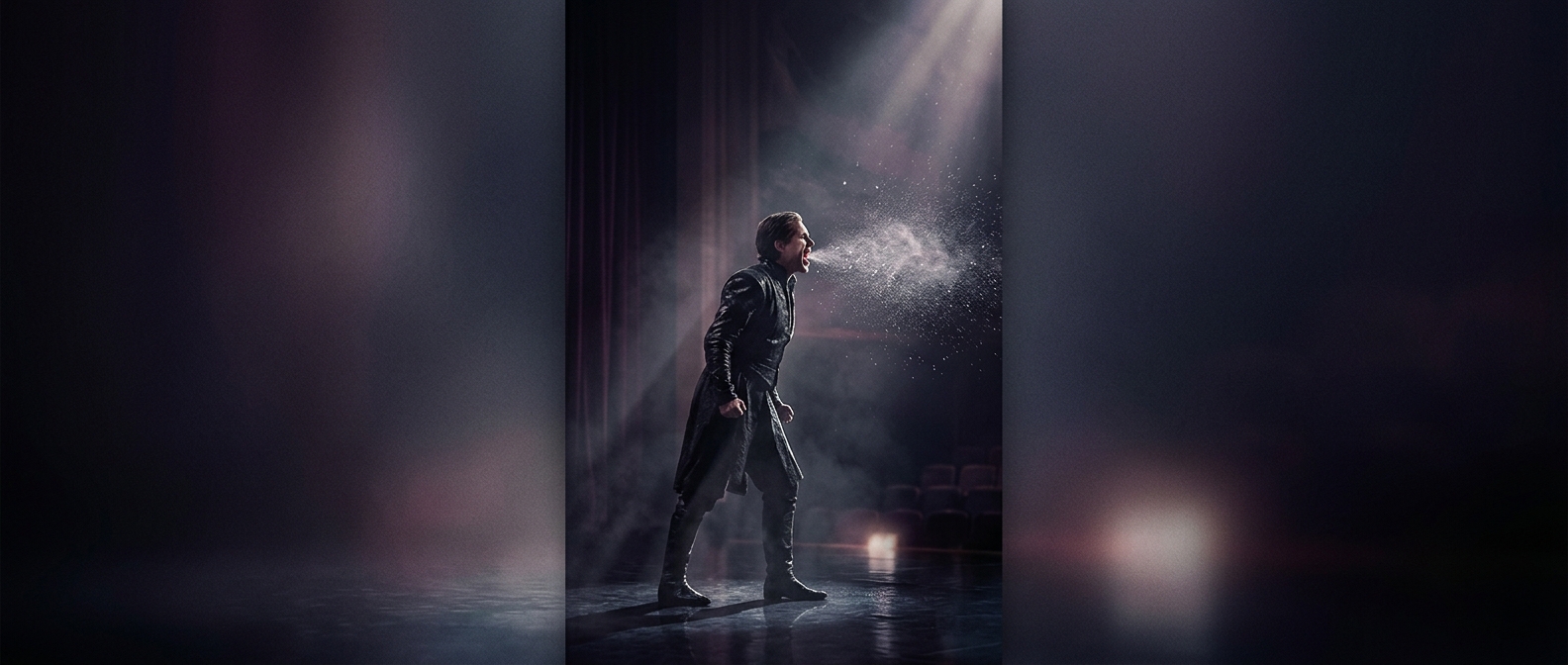
The word swagger captures more than self-assurance. It suggests confidence put on display: a person struts, boasts, or moves as if expecting everyone else to notice. That physical sense gives the word its bite. Someone can feel confident quietly; swagger is confidence turned into a show.
Shakespeare used the word family in a world where characters’ public behavior mattered. Onstage, a boastful entrance or exaggerated show of toughness could quickly signal vanity, bluster, or comic bravado. A compact, vivid word helped an audience picture the attitude without a long explanation.
From theatrical description to everyday praise
The term’s later life broadened its range. It can still describe someone acting arrogantly, but it can also suggest style and self-possession. In hip-hop and popular culture, “swagger” often became an approving label for distinctive presence—the sense that someone carries themselves with confidence and originality.
That shift shows how a word can keep its central image while changing its social tone. The strut remains, but what once might have sounded like empty bragging can read as deliberate flair. Shakespeare’s use helped give that vivid idea a memorable place in English; the word’s lasting appeal lies in how easily it turns an attitude into something you can see.