A Horse Could Move a Car Without Fixing It
An engine that stopped did not necessarily leave an early automobile immovable. If its wheels could still roll, the car could be hauled along the road by an outside source of power. A horse already provided that power for carts and wagons, so it was a practical fallback when the new machine failed.
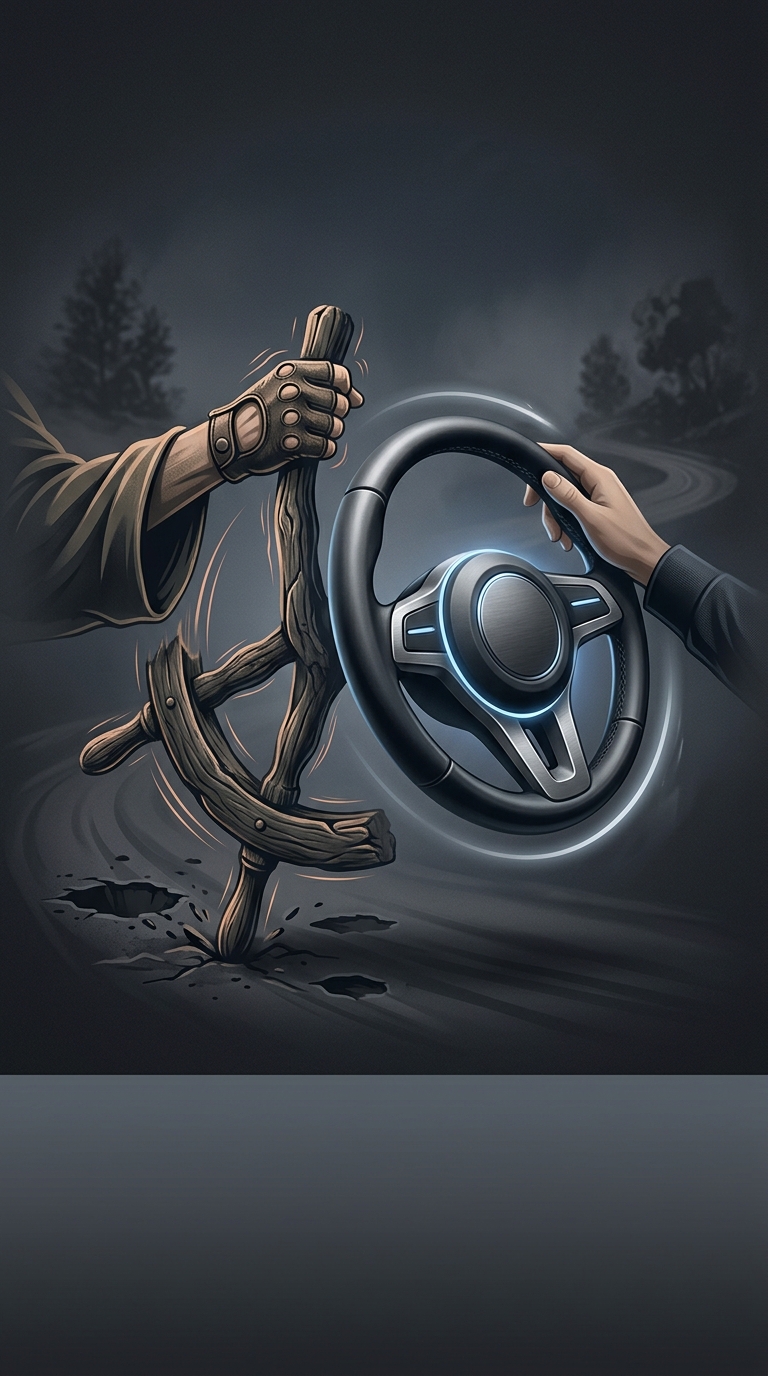
The contrast was stark: the car’s engine might be unreliable, but the horse was a familiar, independent means of traction. Towing let a driver get a disabled vehicle home or to a repairer without waiting for specialized recovery equipment. It did not solve the breakdown; it simply shifted the job of moving the car to an animal people already knew how to harness and handle.
The Transition Was Not Instant
Early automobiles entered a world built around horses. Roads, local services, and everyday transport still depended heavily on animal power, while purpose-built tow trucks were not yet a routine option. That made a horse more than a comic prop beside a stalled car: it was part of the practical infrastructure that bridged old and new transport.
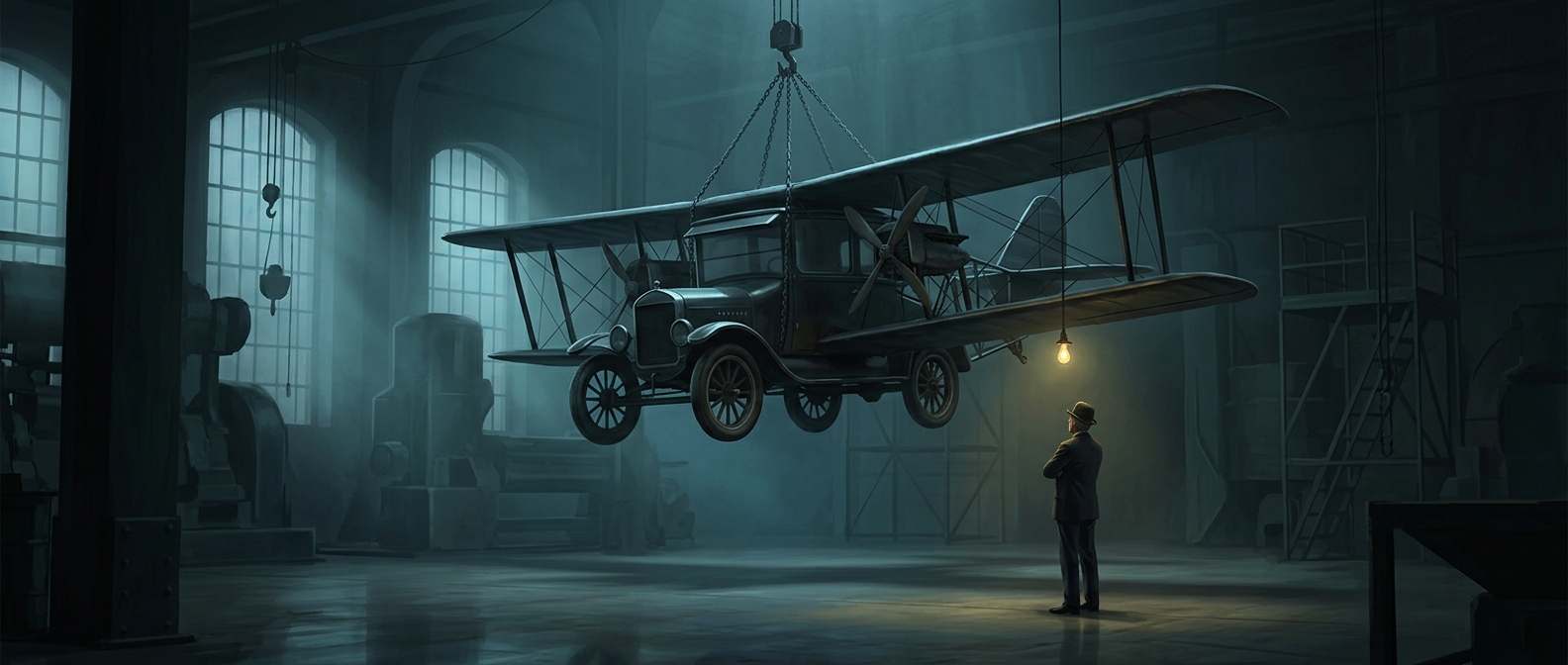
The arrangement also exposed a basic limitation of early motoring. A car could replace a horse only while its machinery worked. When it did not, the older technology could take over—pulling the supposed successor down the road until human skill and repair made it a car again.