Why Mystical Poetry Turns to Paradox
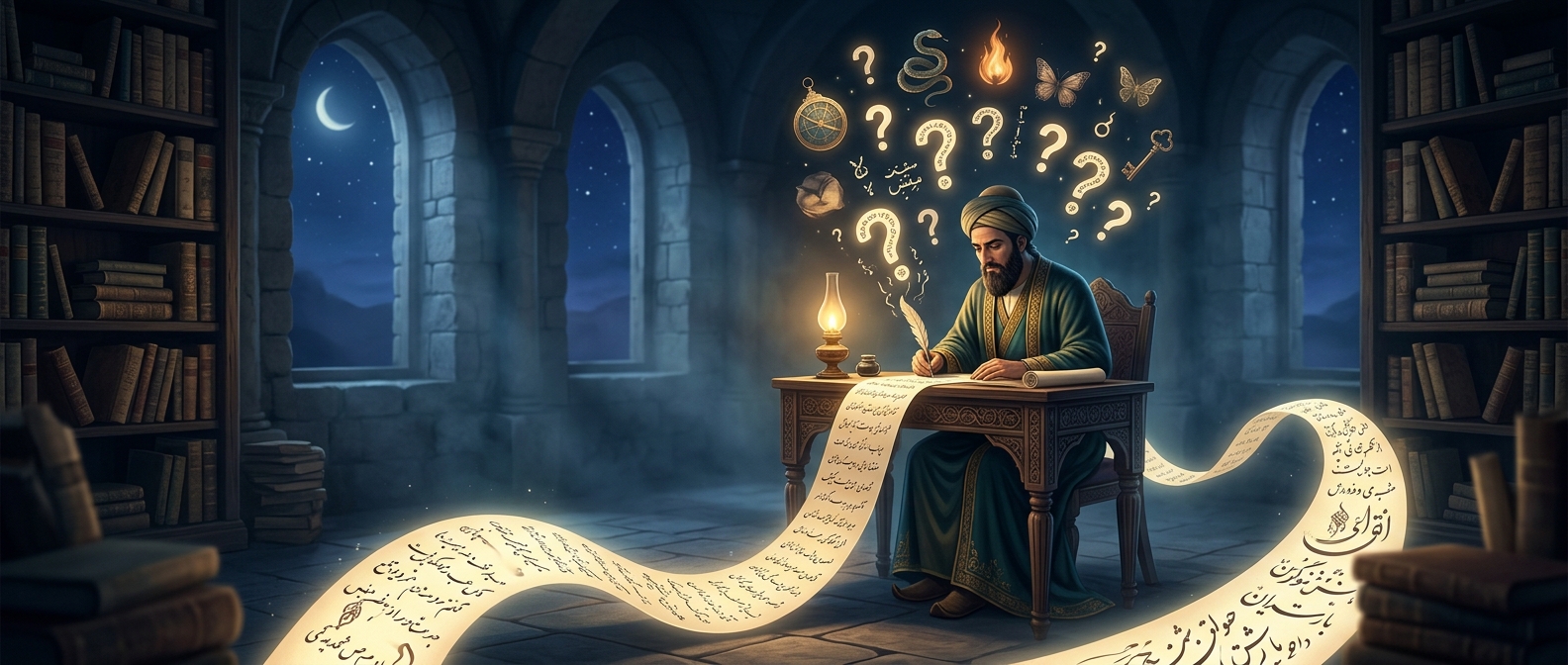
Mystical writers face a peculiar problem: they want to describe an experience they regard as beyond ordinary thought, but description depends on familiar words and distinctions. So their poems often make language strain against itself. A person may be “lost” and yet more fully present, or separate from the divine and united with it at once. The contradiction is not meant as a puzzle with a neat solution; it signals that everyday categories may not fit what the writer is trying to convey.
Images Make an Abstract Claim Felt
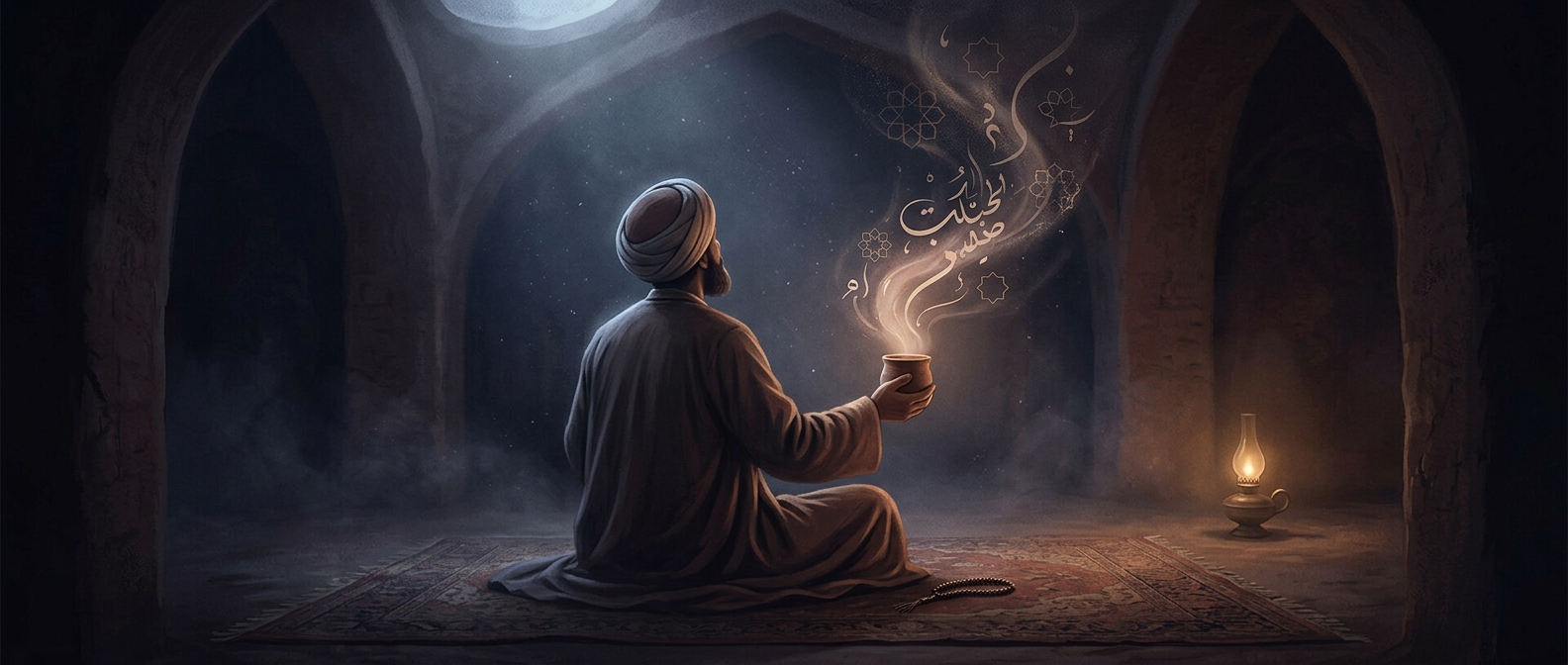
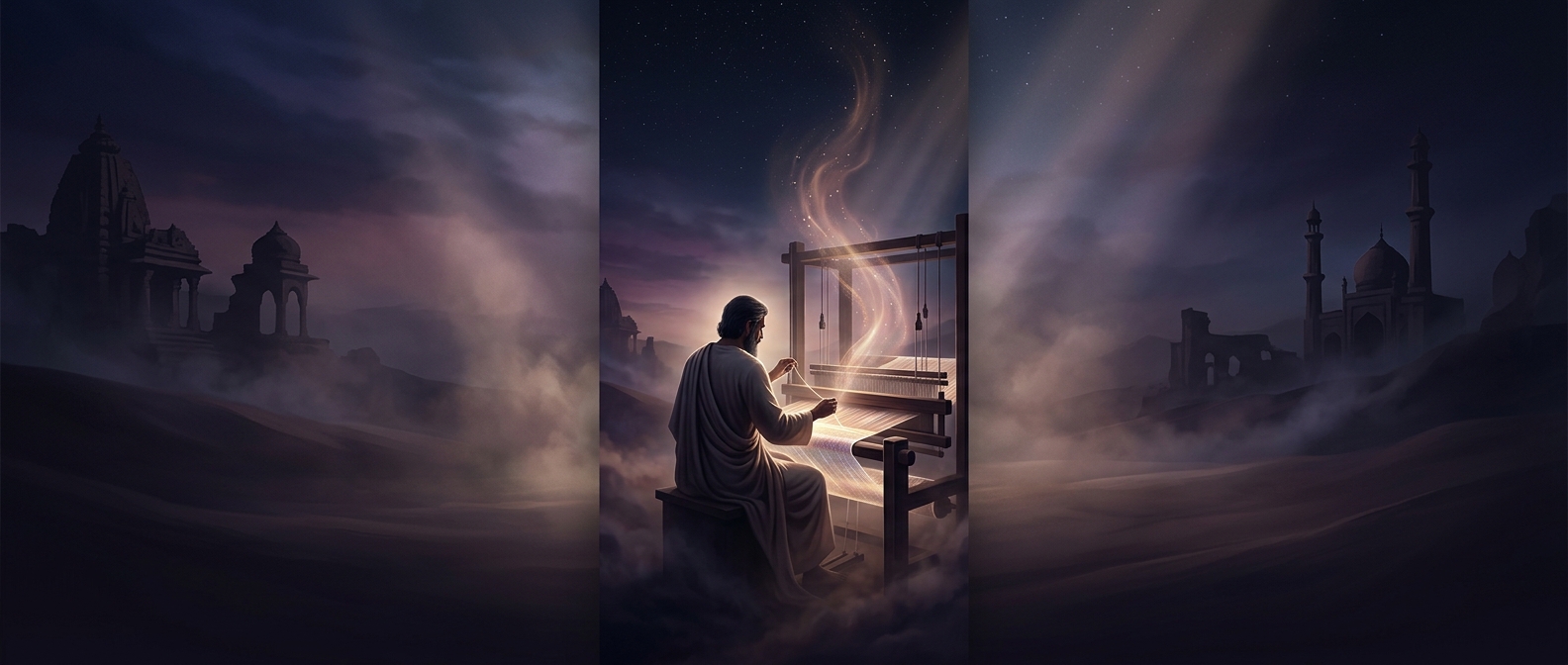
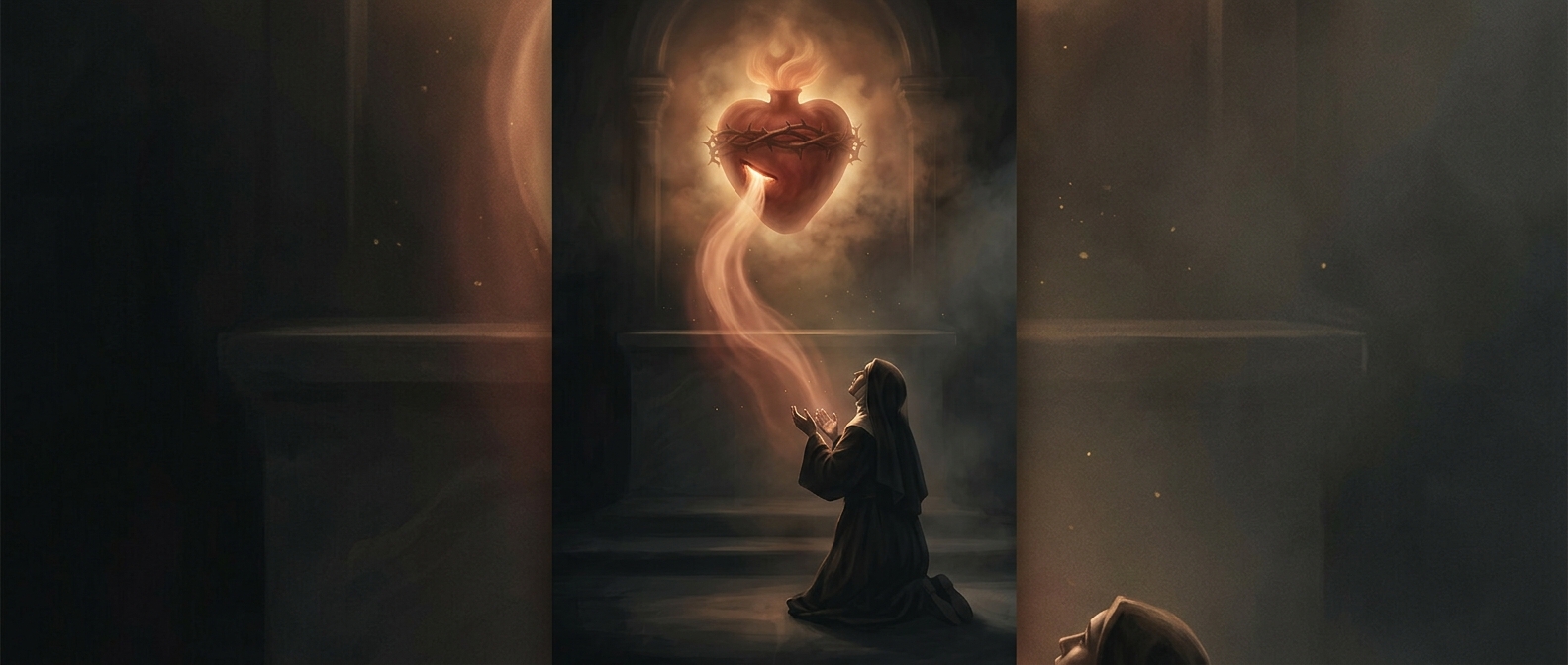
A startling image can do more than state an idea. Light entering darkness, a drop dissolving into the sea, or a lover waiting at a closed door gives readers something sensory to imagine. The image invites them to approach an inward experience indirectly, through feeling and association, rather than treating it as a fact that can be measured or explained from the outside.
That indirection also leaves room for different readers to encounter the poem in different ways. The image can suggest longing, surrender, fear, or intimacy without reducing the experience to a single definition.
The Limits Are Part of the Meaning
Mystical poetry does not simply use elaborate language to decorate spiritual ideas. Its twists and gaps dramatize the writer’s claim that language can point toward an experience without containing it. A paradox holds opposing meanings together; an image gives the reader a foothold, then refuses to become a complete explanation.
That is why these poems can sound both intensely specific and unresolved: their form enacts the very limit they are trying to cross.