A Console Built for a Partnership That Fell Apart
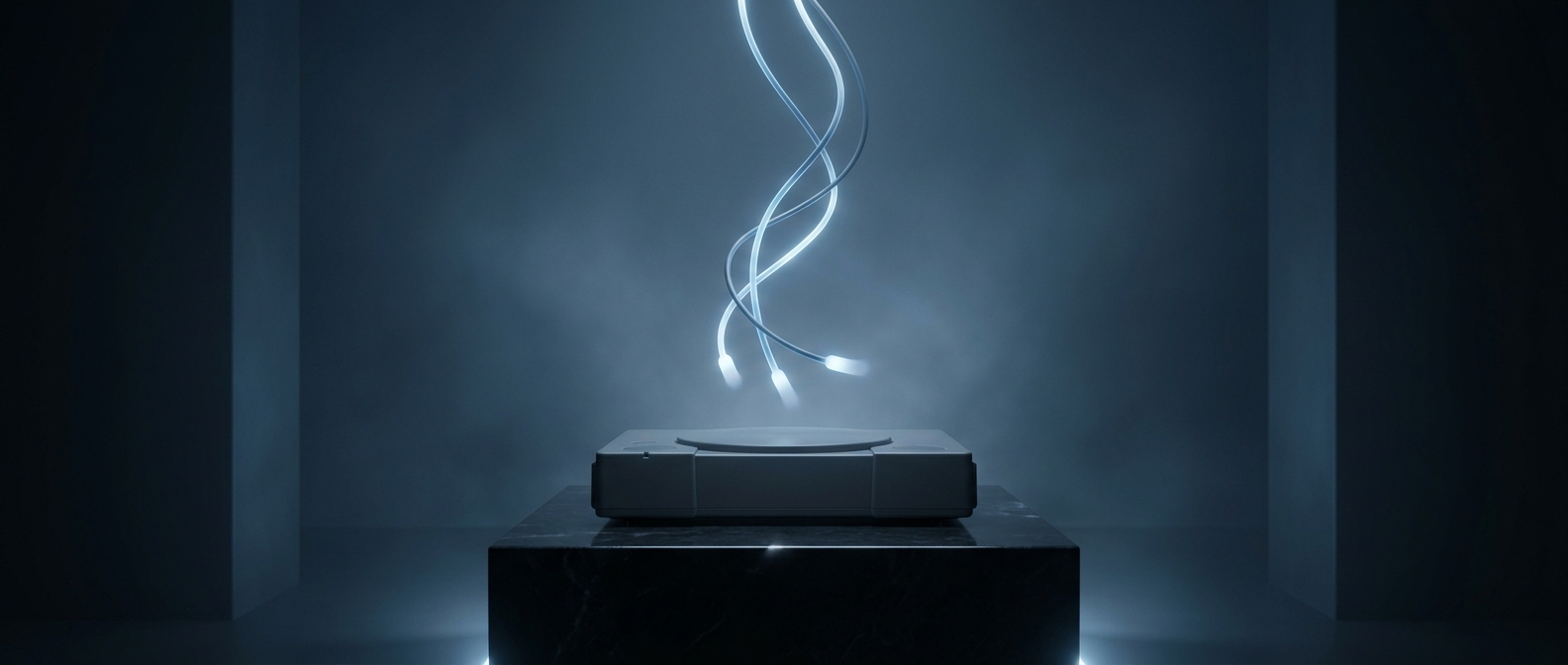
The Nintendo PlayStation was not a finished game system that reached store shelves. It was a prototype for a planned collaboration between Nintendo and Sony: a machine that would pair Nintendo’s Super Nintendo Entertainment System (SNES) with a CD drive. At the time, games were commonly sold on cartridges, while CDs could hold far more data. A CD-based add-on promised room for larger games and richer sound, but it also raised questions about who would control the format and the business around it.
The partnership broke down before the device became a consumer product. Nintendo pursued a different arrangement, and Sony eventually developed its own PlayStation. The prototype therefore captures a fork in gaming history: two companies tested a shared machine, then went on to compete in a market that would be reshaped by CD-based consoles.
Why the Box Mattered
A working prototype is more than an unusual-looking console. It preserves physical evidence of decisions that otherwise survive mainly in accounts of negotiations and plans. The hybrid design—Nintendo hardware alongside a Sony-developed disc system—makes the intended relationship tangible, while the machine’s unfinished status shows how close the idea came to becoming real without ever becoming a retail product.
That is what makes its accidental survival so striking. The hardware was treated as ordinary discarded equipment, not as a museum piece. Once recognized, it became a rare artifact from a collaboration that ended before players could experience it. Its later sale for more than $300,000 reflected not just scarcity, but the value collectors place on an object from a moment when the future of two major game companies briefly overlapped.