The camera has to move at the actors’ speed
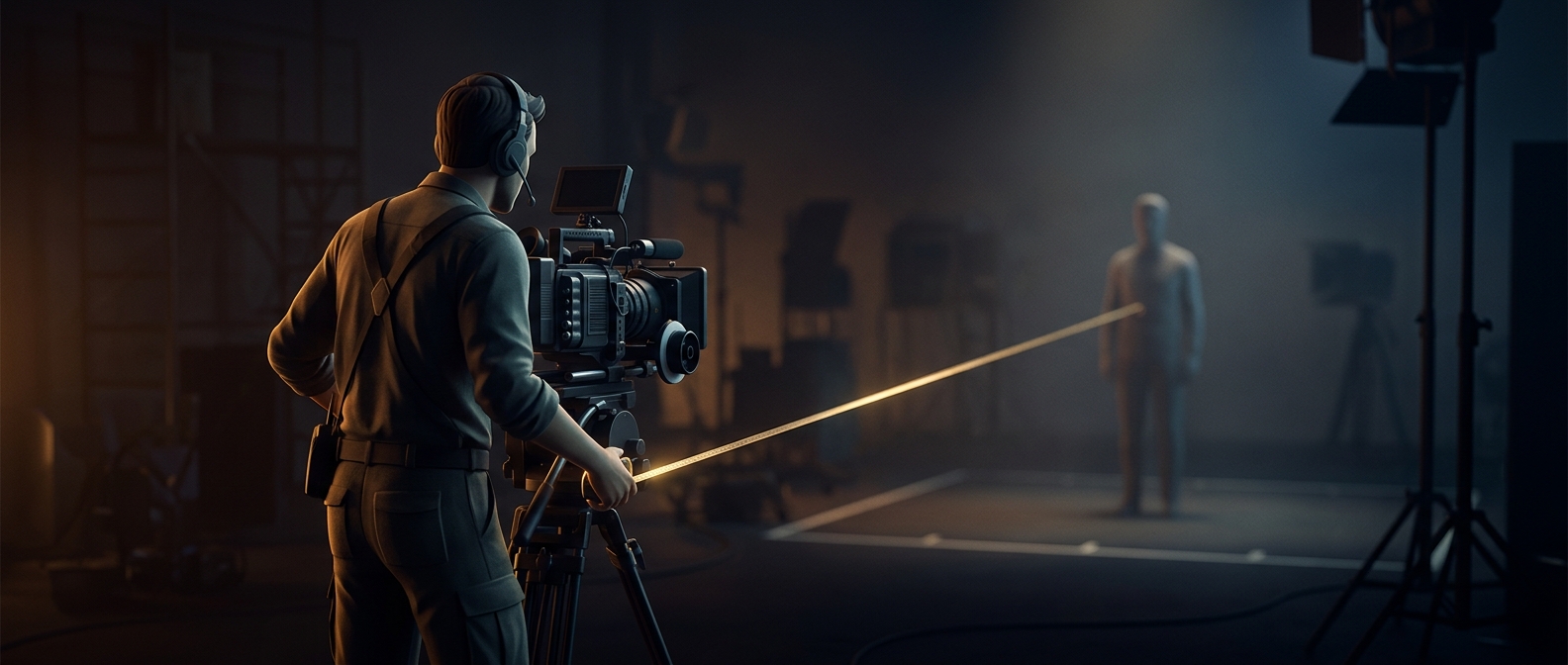
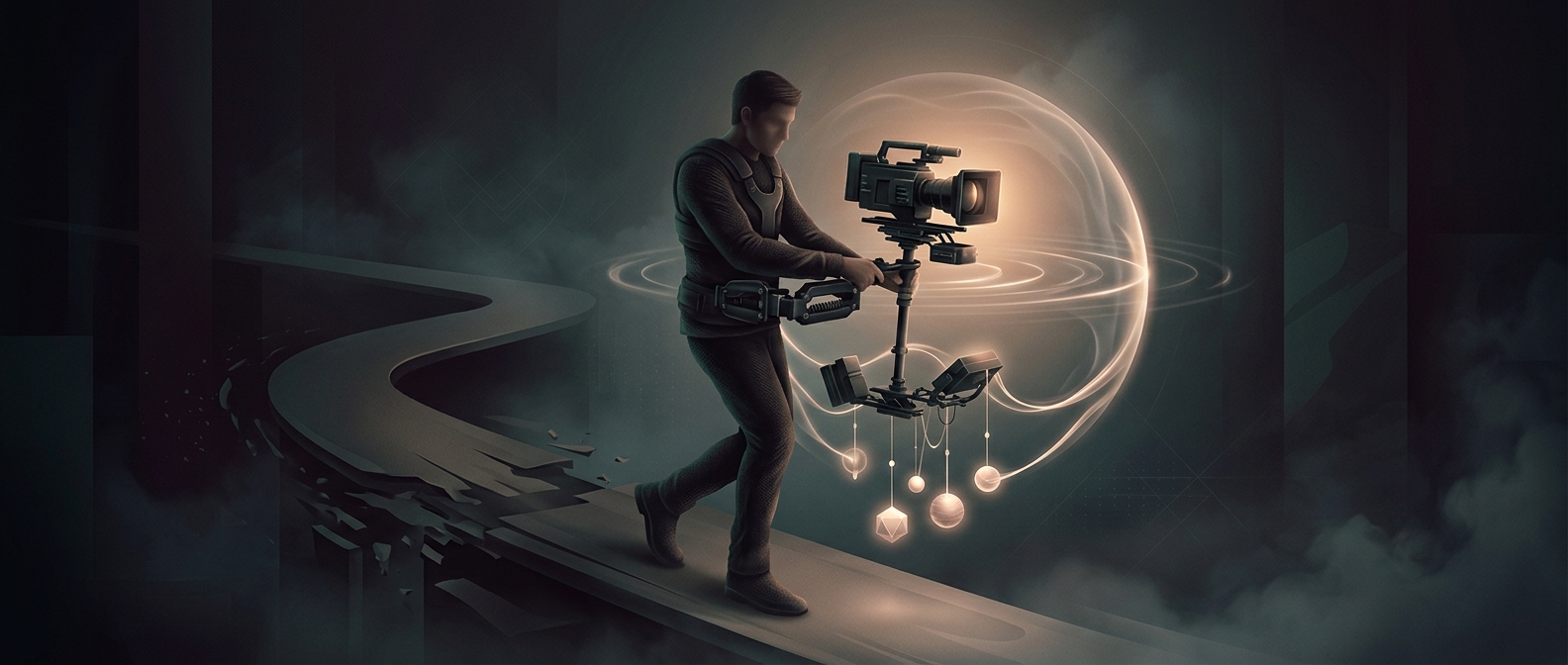
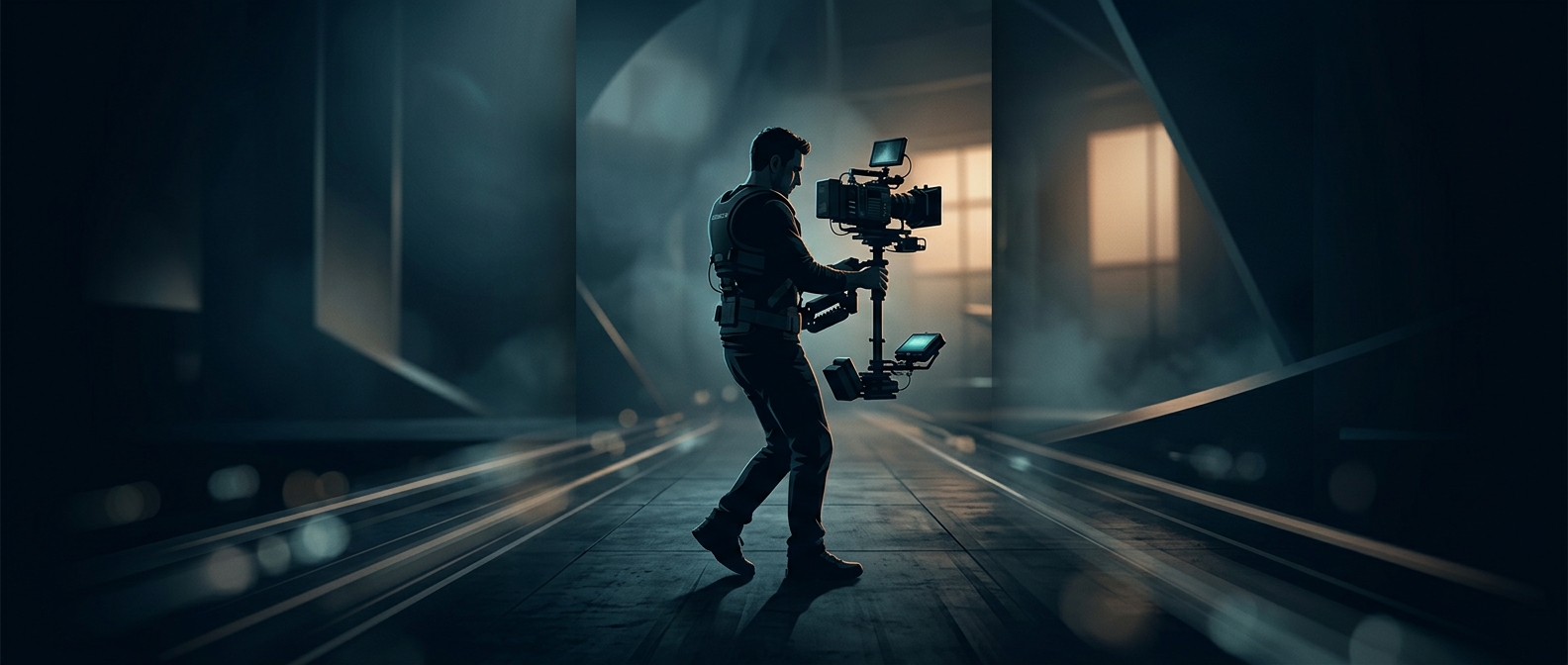
A backward-walking shot lets the camera stay in front of moving actors while keeping their faces and expressions in view. The operator must do two jobs at once: match the actors’ pace and keep the framing steady. If the gap between camera and performers changes, their apparent size in the frame changes too; if the operator drifts sideways, the composition shifts with them.
That makes the move a piece of choreography, not just a walk. Actors, operator, and any nearby crew need to share a route and a rhythm, often rehearsing the path before filming. Turns, doorways, and uneven ground leave little room to correct a mistake once the take is underway.
Why an extra person may guide the operator
Looking through or monitoring a camera can narrow an operator’s awareness of what lies behind them. An assistant walking nearby can watch for obstacles and other people, and a light tug on the operator’s belt can signal a direction change without requiring the operator to look away from the shot.
The arrangement trades some freedom of movement for a continuous view of the actors. Rather than cutting between angles, the camera can travel with the scene as it unfolds—while the crew works to keep the person carrying it from walking into something the lens cannot show.