How a Matte Box Keeps Stray Light Out
A camera lens is designed to gather light from the scene, but bright light arriving from outside the frame can still sneak in. It may bounce between glass surfaces inside the lens, spreading a faint veil across the picture. Dark areas then look washed out, and colors can lose their punch—a loss of contrast known as lens flare.
Shading the Lens Without Hiding the Shot
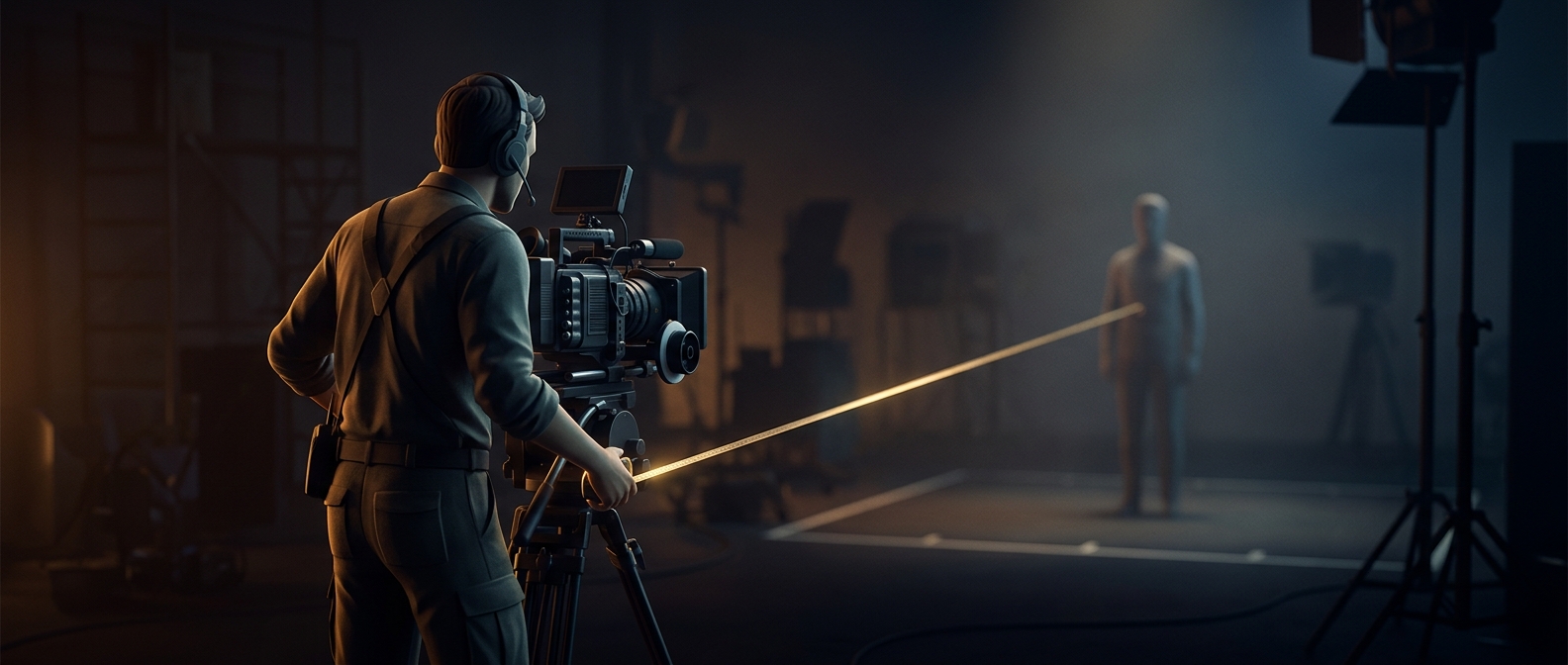
A matte box mounts in front of the lens and gives the camera operator a place to attach adjustable flaps, often called flags. By moving them inward or outward, the operator can shade the lens from a particular direction while keeping the intended view unobstructed. The flaps do not change the sunlight; they block the unwanted rays before those rays enter the lens.
That adjustment matters because the camera may need to point close to a bright window, the sun, or a powerful set light. A fixed shade might protect the lens in one position but intrude into the frame after the camera or light moves. Adjustable flaps let the crew reshape the shade for each angle, often while preserving the lighting that makes the scene work.
A Small Adjustment, a Cleaner Image
The effect is most noticeable in the parts of a shot that should remain rich and defined: a shadowed face against a bright sky, for example, or dark clothing near a strong light. Blocking stray light helps those darker tones retain separation instead of being veiled by glare. The practical test is simple: shade the lens just enough to keep the light source out of its optical path, and the image can hold its contrast without changing the scene itself.