How a nightmare can act like a threat simulation
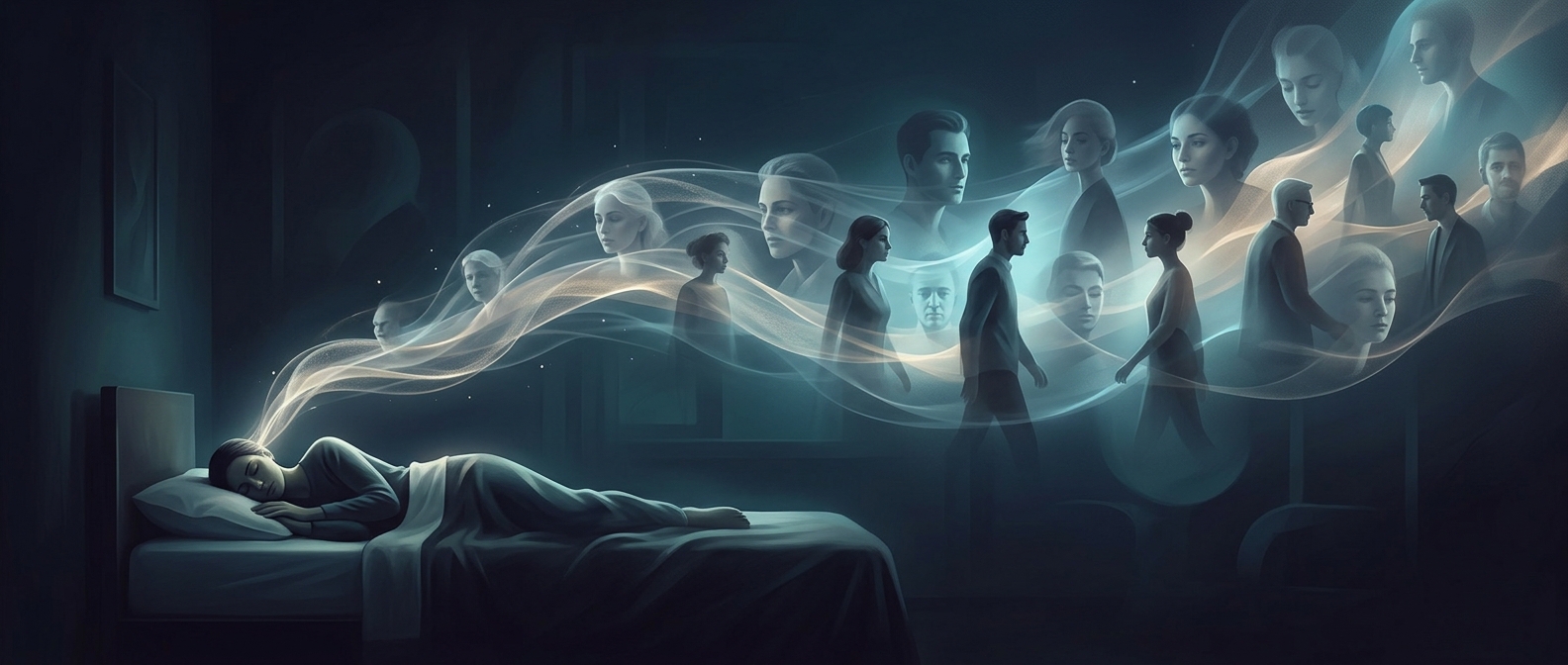
A nightmare can place the mind inside a danger scenario—a chase, a fall, or a confrontation—while the body remains in bed. One theory is that this lets the brain simulate an emotional challenge without exposing the sleeper to real danger. The dream may draw on memories and worries, then combine them into a vivid scene rather than replaying an event exactly.
During sleep, the brain is still processing emotion and memory. A frightening dream can therefore feel urgent even though the threat is imagined. In this view, the important part is not the dream’s plot but the chance to experience fear and respond to it in a safe, internal setting.
Rehearsal, not a guaranteed lesson
The idea is sometimes compared to a fire drill: a simulation can let a system run through a possible danger before one occurs. But nightmares are not deliberate practice, and they do not necessarily teach a useful response. A dreamer may flee, freeze, or wake before anything is resolved; the brain is not consciously choosing a training exercise.
That distinction matters because the theory does not mean nightmares are beneficial for everyone. Repeated or distressing nightmares can disrupt sleep and cause real suffering. The proposed value is narrower: some frightening dreams may be part of how the sleeping brain processes threat-related emotions, even when the experience itself feels anything but safe.