The dream builds its own evidence
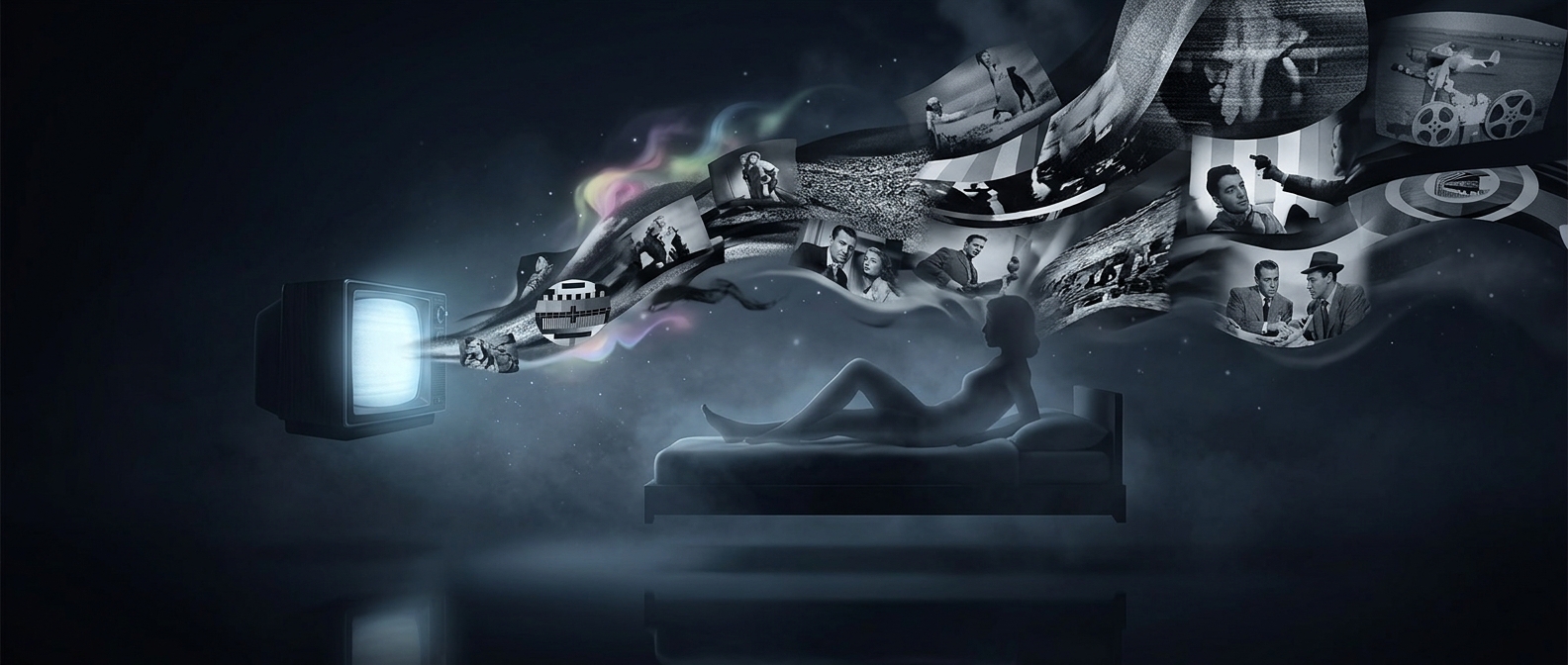
A dream does not arrive as a finished scene that the mind calmly inspects. The sleeping brain generates sights, sounds, memories, and feelings from within, then connects them into an experience. Because there is little incoming information from the room to correct that story, a dream can shift settings or identities without the kind of interruption that might happen while awake.
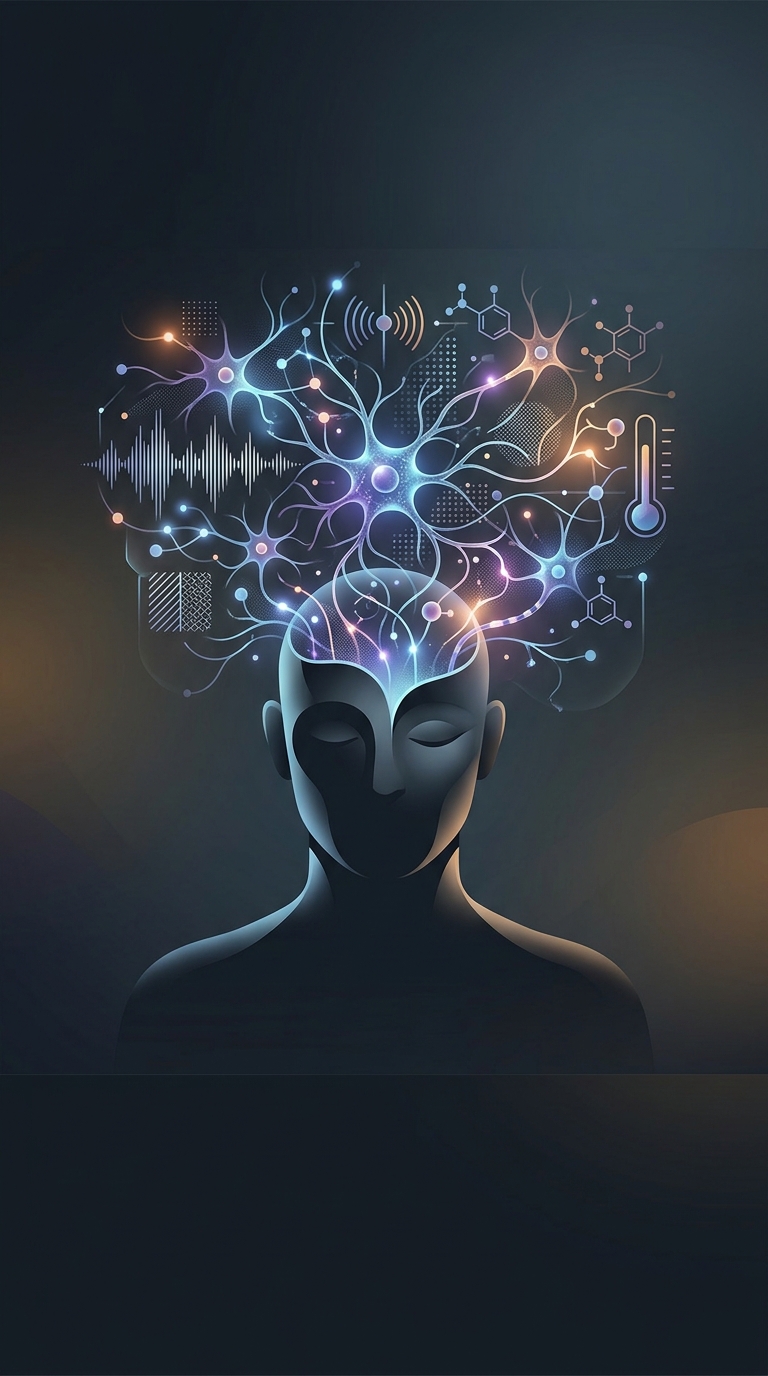
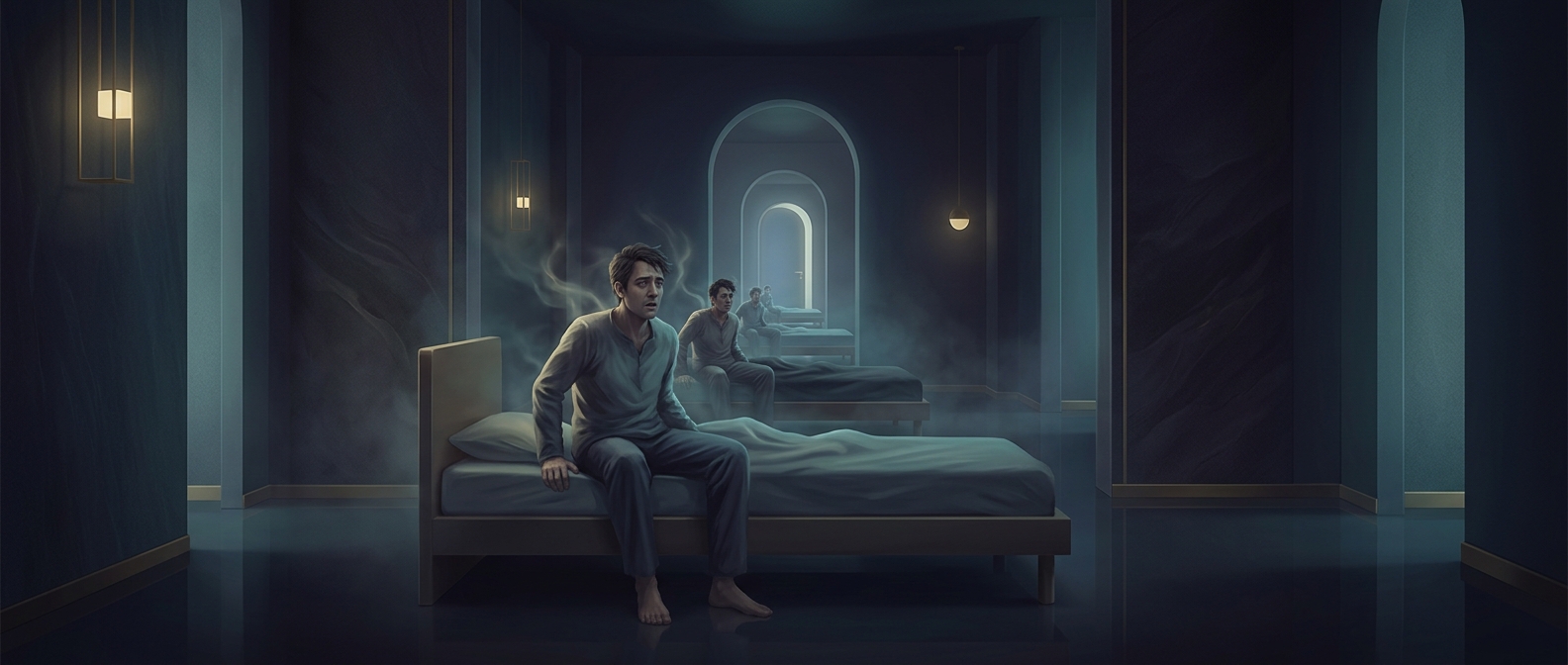
During vivid dreaming, especially in REM sleep, brain systems involved in emotion and imagery are active, while parts of the brain used for deliberate reasoning and keeping goals in mind are less engaged. This is not a literal fact-checking switch, but it can make contradictions harder to notice. If a dream supplies the feeling that a familiar person is also a stranger, that feeling may carry the scene forward instead of prompting a careful comparison.
Why the logic feels convincing
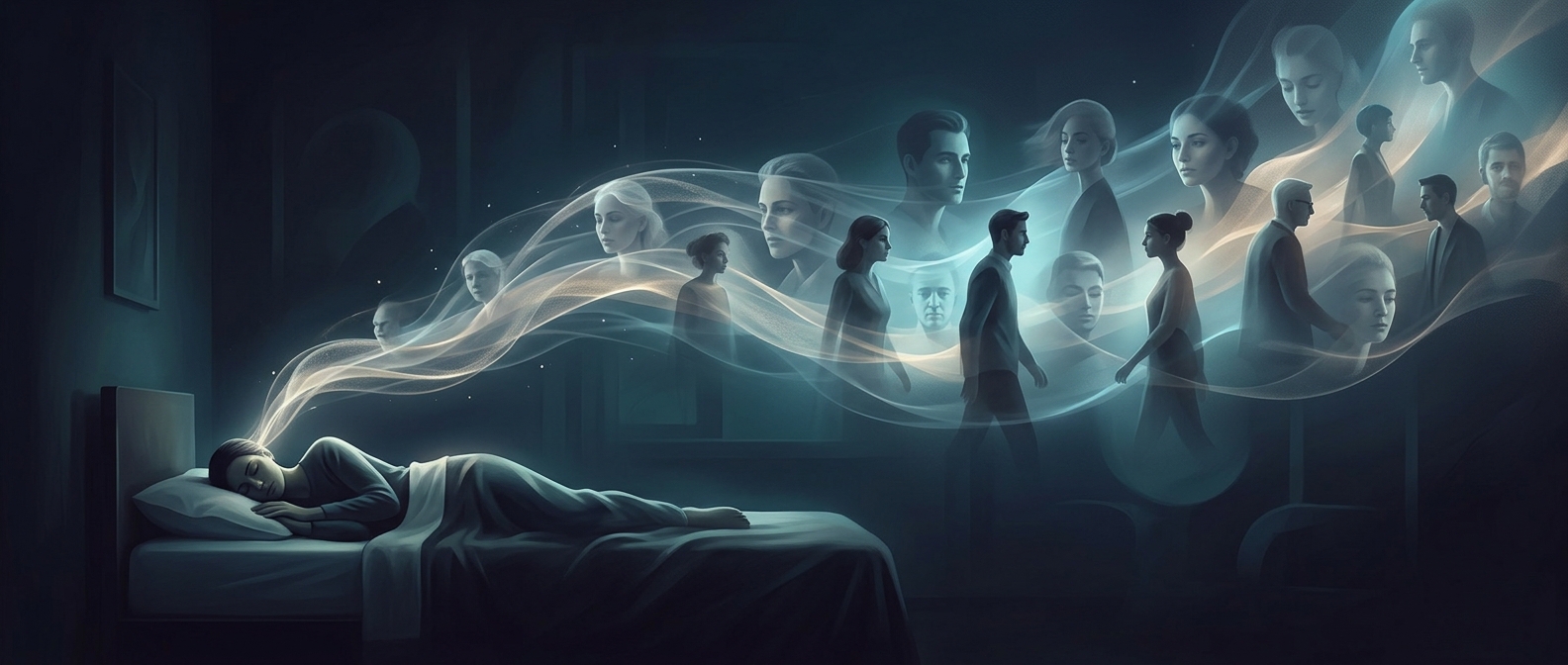
Dreams often borrow fragments of recent experiences, older memories, and concerns, but they do not have to preserve the original context. A remembered face can appear in an unrelated place; a sudden change can be accepted because the dream has already moved on. Emotion helps make these fragments feel meaningful, even when their connections would seem incoherent after waking.
Waking restores a more reliable chance to hold details in mind and compare them. That is why the skipped logic can become obvious only afterward. The oddity was present in the dream; what changed was the brain’s ability to question the scene while it was happening.