When the Bonus Feature Became Part of the Joke
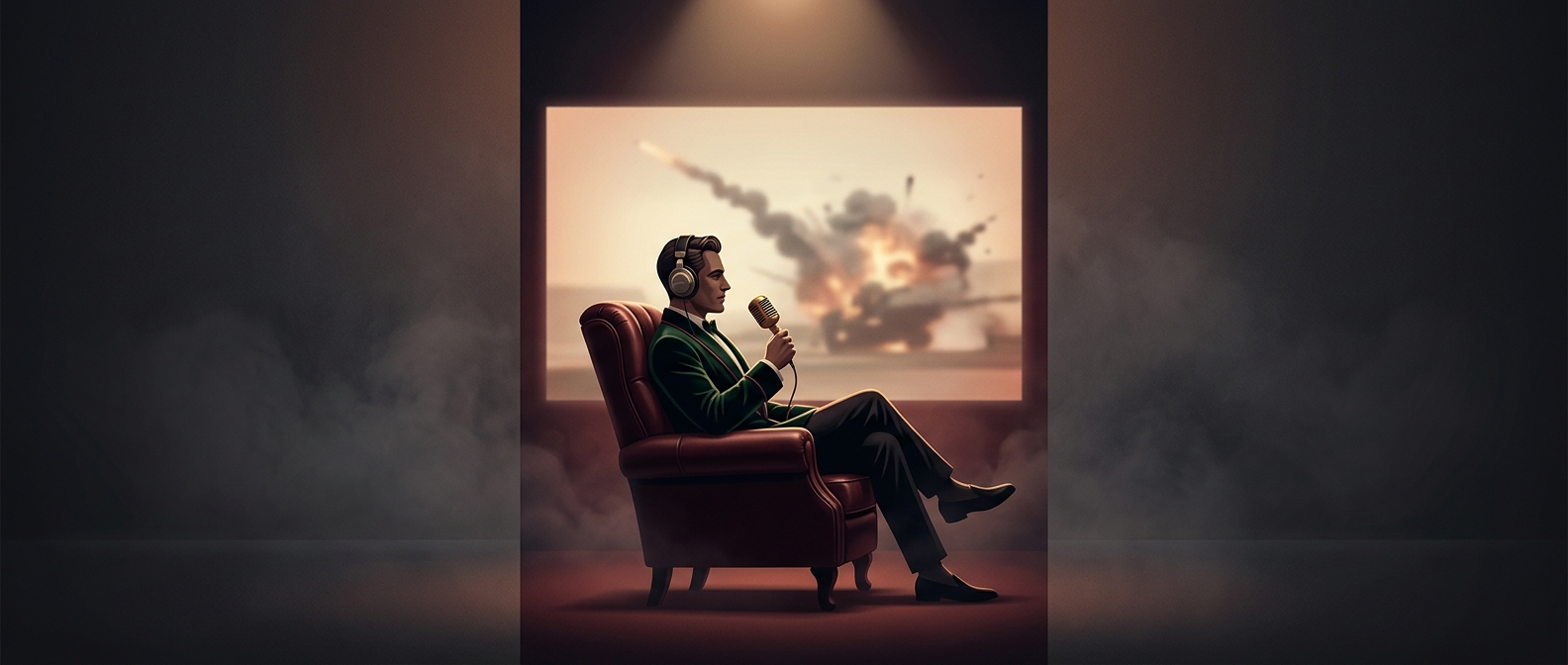
A DVD commentary usually steps outside the movie: actors and filmmakers explain what happened on set while the film plays. For Tropic Thunder, Robert Downey Jr. used that familiar behind-the-scenes format to extend the film’s fiction. He spoke as Kirk Lazarus, the movie’s fictional Australian actor, rather than as Downey discussing his own performance.
That choice makes the commentary feel like an extra scene without changing the film itself. Lazarus can treat ordinary production talk as an opportunity to display the vanity, intensity, and self-importance that make him a comic character. Even the supposedly candid space around the movie becomes part of the performance.
The Character Keeps Performing
The joke fits Tropic Thunder’s broader satire of Hollywood: the film pokes at actors who turn their work into grand personal mythology. Lazarus is an exaggerated example, a celebrated performer so committed to his craft that he seems unable—or unwilling—to stop being the role. Keeping him alive during the commentary carries that idea beyond the screen.
It also plays with the audience’s expectations. A commentary promises access to the people behind a movie; this one gives listeners another layer of character instead. The result is a bonus feature that does more than explain the production: it makes the boundary between performance and promotion part of the entertainment.