The drink is a prop, not a performance test
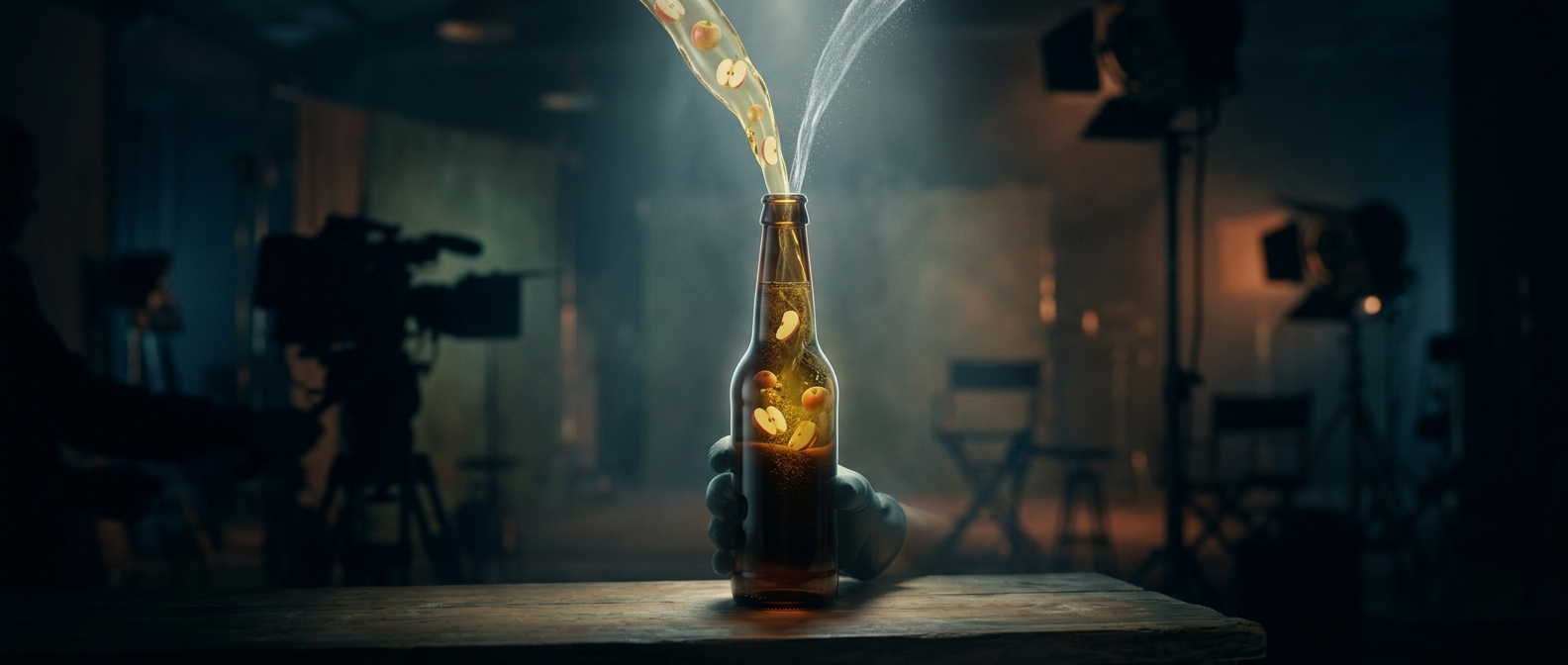
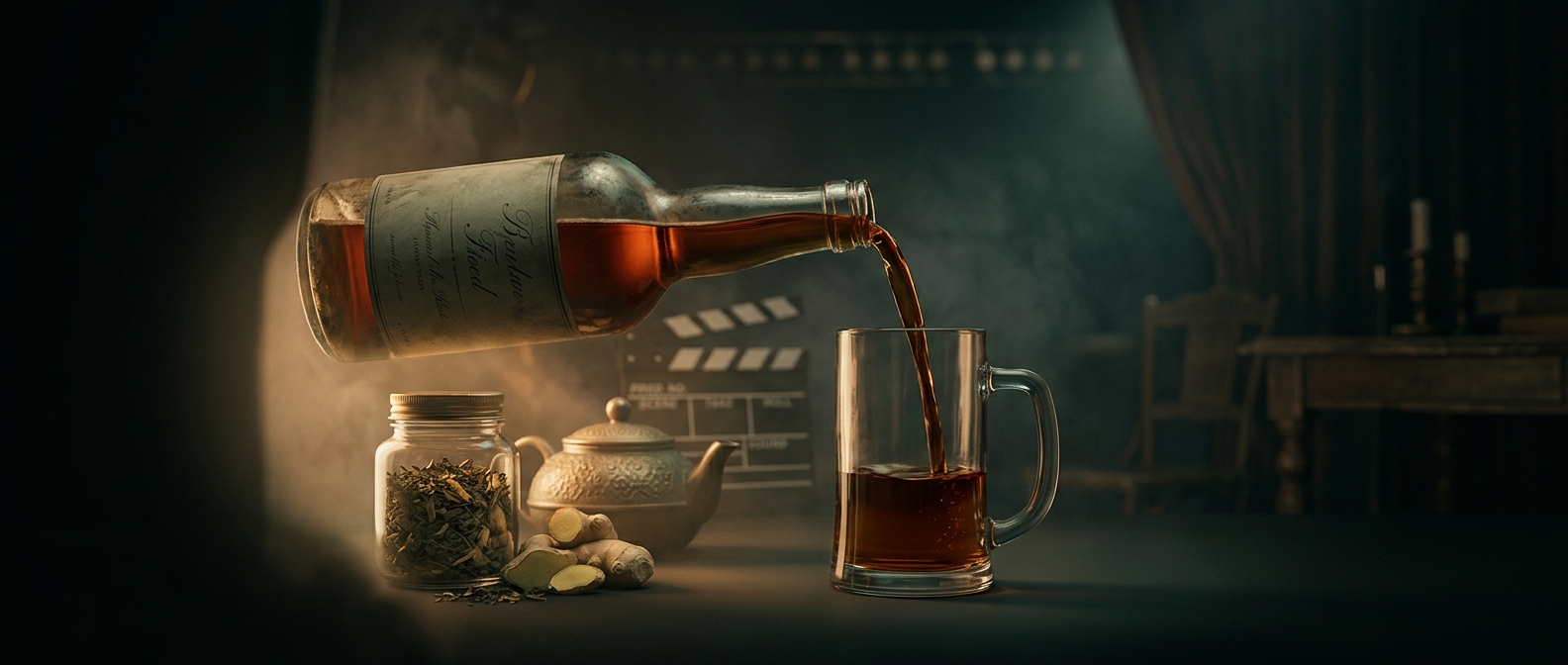
When a script calls for beer, the glass may hold warm, flat soda instead. The substitute gives the camera a drinkable-looking liquid without requiring an actor to consume alcohol through repeated takes. That matters because a scene may be filmed from several angles, with pauses for lighting, sound, or resets; the actors need to be able to repeat the action without the drink changing their condition.
A prop drink also makes continuity easier. Continuity is the effort to keep details consistent between shots: the glass should look as full, and the liquid as similar, each time filming resumes. A nonalcoholic substitute lets the crew control what goes into the glass and avoid real alcohol’s effects becoming part of the scene.
Making the foam behave for the camera
Beer’s head—the layer of bubbles on top—can be a separate prop problem. Real foam changes as bubbles rise and collapse, so it may look different by the time a close-up is ready. A crew can create a thicker-looking head with a small amount of egg white or a foaming powder, then adjust it for the shot.
Egg white contains proteins that help bubbles hold their shape, while purpose-made powders can produce a similar visual effect. The goal is not to recreate the taste or chemistry of a pint; it is to make the glass read as beer on screen, under the scene’s lighting, for as long as filming requires. The next time an actor raises a “beer,” the convincing part may be the camera angle and the carefully managed foam—not what’s in the glass.