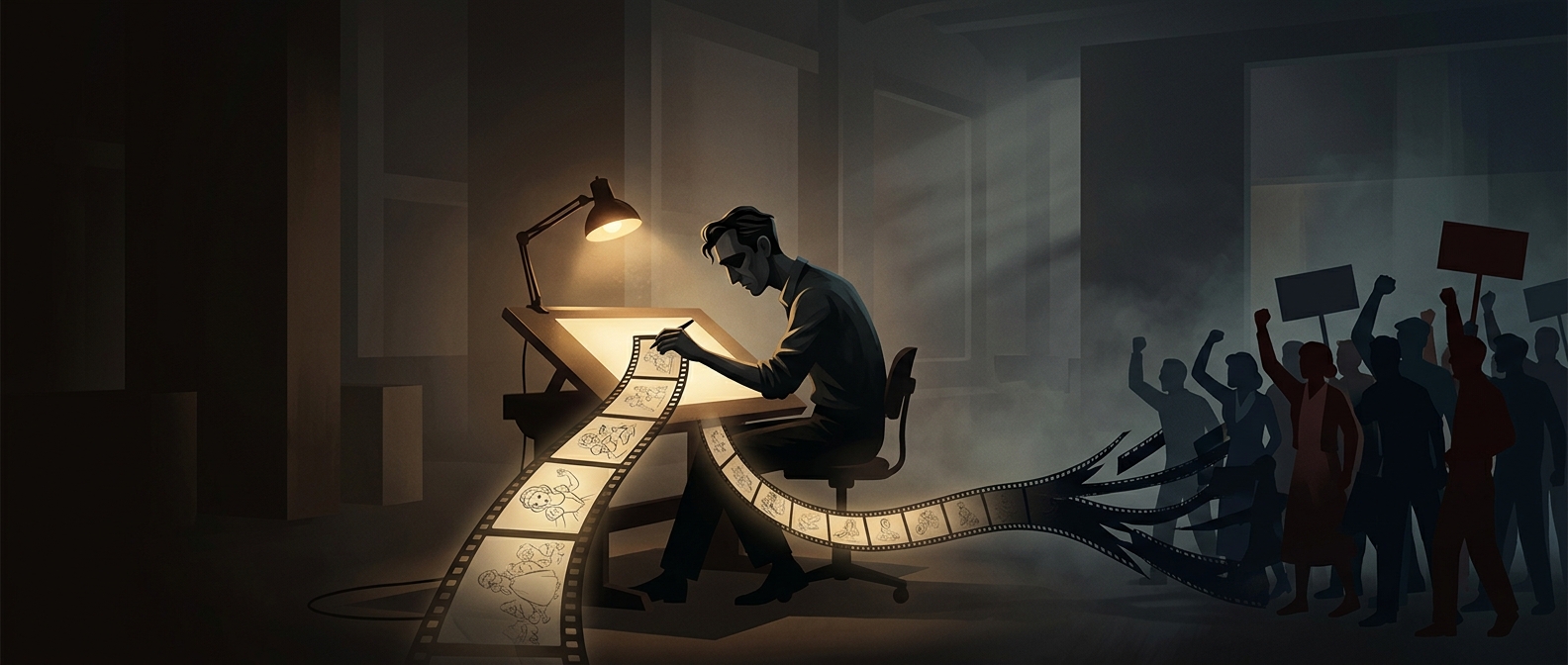
Snow White’s success raised expectations inside the studio
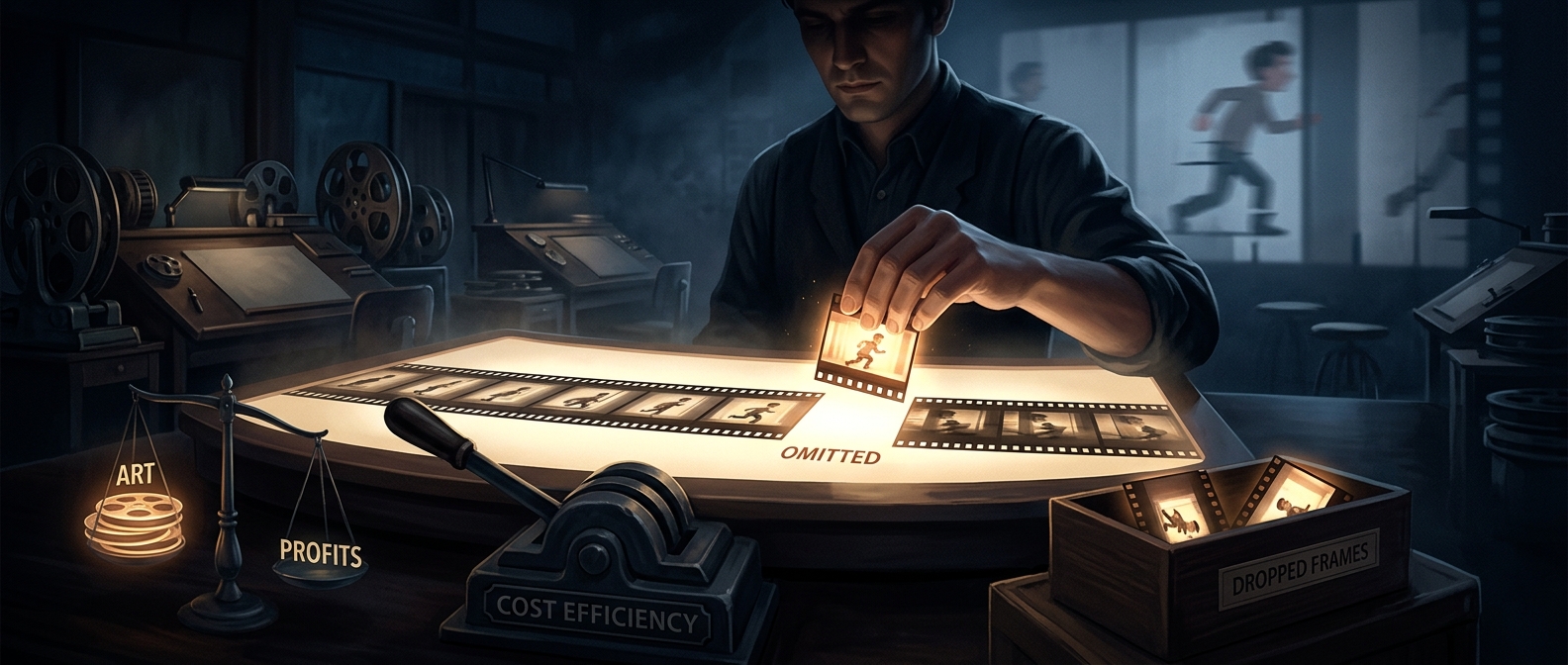
When Snow White and the Seven Dwarfs became a major commercial success, the film’s animators had reason to expect that the people who made it would share in the rewards. Disney had promised bonuses, but those payments did not materialize as workers expected. The gap between the film’s earnings and animators’ pay turned a celebrated success into a workplace grievance.
Animation was collaborative work: a finished scene depended on many artists, including people drawing individual frames rather than designing the characters or directing the film. That made questions of pay, credit, and job security consequential across the studio—not just to a few prominent artists.
A pay dispute became a union fight
The missing bonuses helped strengthen support for organizing. A union offered workers a way to press for better conditions collectively, rather than asking management for changes one at a time. As organizing gained ground, the disagreement expanded beyond the original bonus issue into a broader conflict over who had power inside the studio.
Disney responded by firing organizers, a move that intensified the dispute rather than settling it. In 1941, animators went on strike. Their action interrupted the studio’s work and made the conflict public, exposing the tension between Disney’s image as a successful creative enterprise and the labor conditions behind its films.
The hit film’s less visible legacy
The strike showed that a profitable movie could create expectations its creators did not automatically meet. Snow White helped make Disney a major force in animation, but its success also gave workers a vivid measure of what their labor had produced—and a reason to demand a share of the workplace decisions that followed.