A Highway Dash Is Often 10 Feet Long
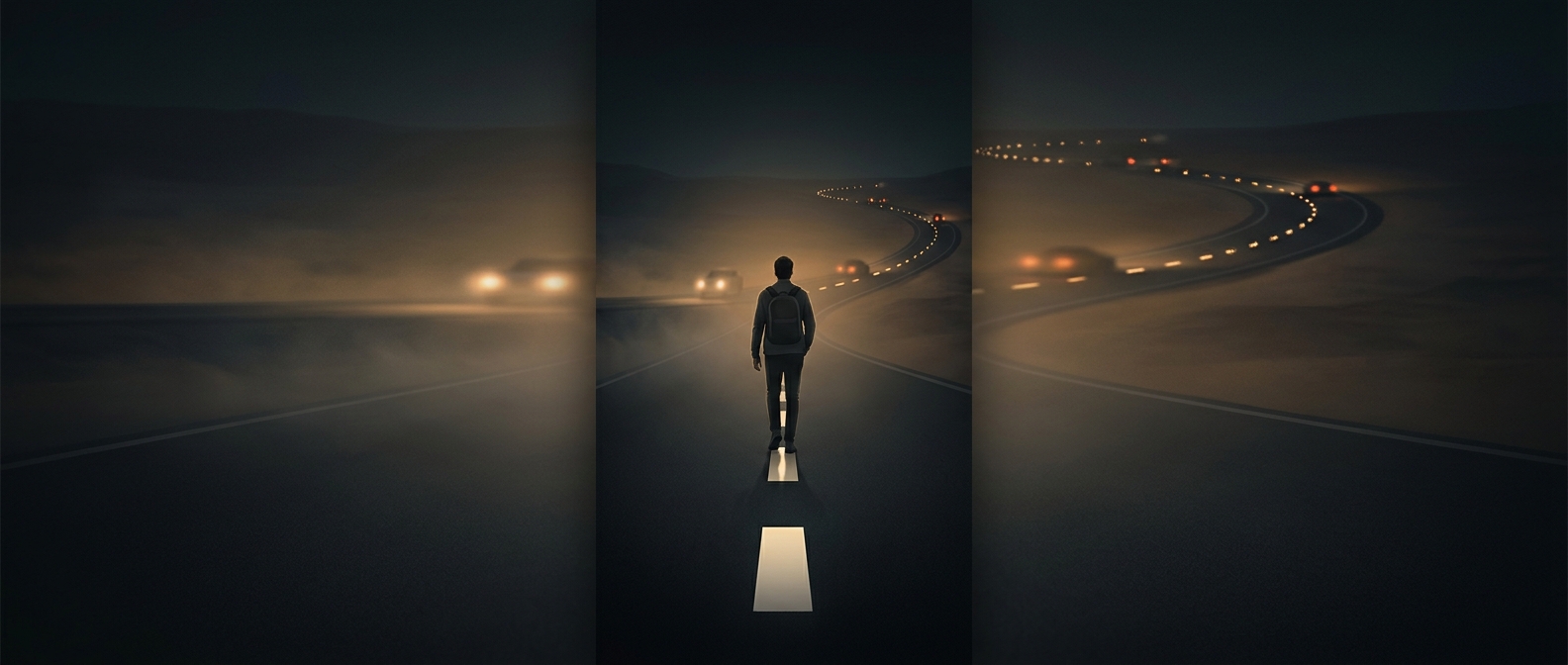
On many U.S. roads, a standard broken white lane line is painted in 10-foot segments, with about 30 feet of open pavement between them. The repeated pattern can make the stripes seem longer or shorter from a moving car, especially as they pass quickly beneath the vehicle.
That 10-to-30 pattern is common, not universal. Road agencies can use different marking patterns, so a dash’s length may vary by location and road type.
The Gaps Are Part of the Signal
A broken white line separates lanes moving in the same direction and generally indicates that a driver may cross it when changing lanes is safe. The gaps keep the marking from reading as a continuous barrier, while the recurring stripes make the lane boundary visible along the road.
Because the pattern repeats, drivers see a steady sequence of paint and pavement rather than one uninterrupted line. The next time a dash flashes past, the useful estimate is roughly a car-and-a-half in length—not a universal measurement, but a common U.S. standard.