A Postal Route Requires More Than a Messenger
A mail carrier is useful because the same trip can be repeated: leave from a known point, travel to a destination, and arrive reliably enough for people to plan around it. Liège’s cat experiment ran into the difference between sending an animal in a direction and giving it a dependable route.
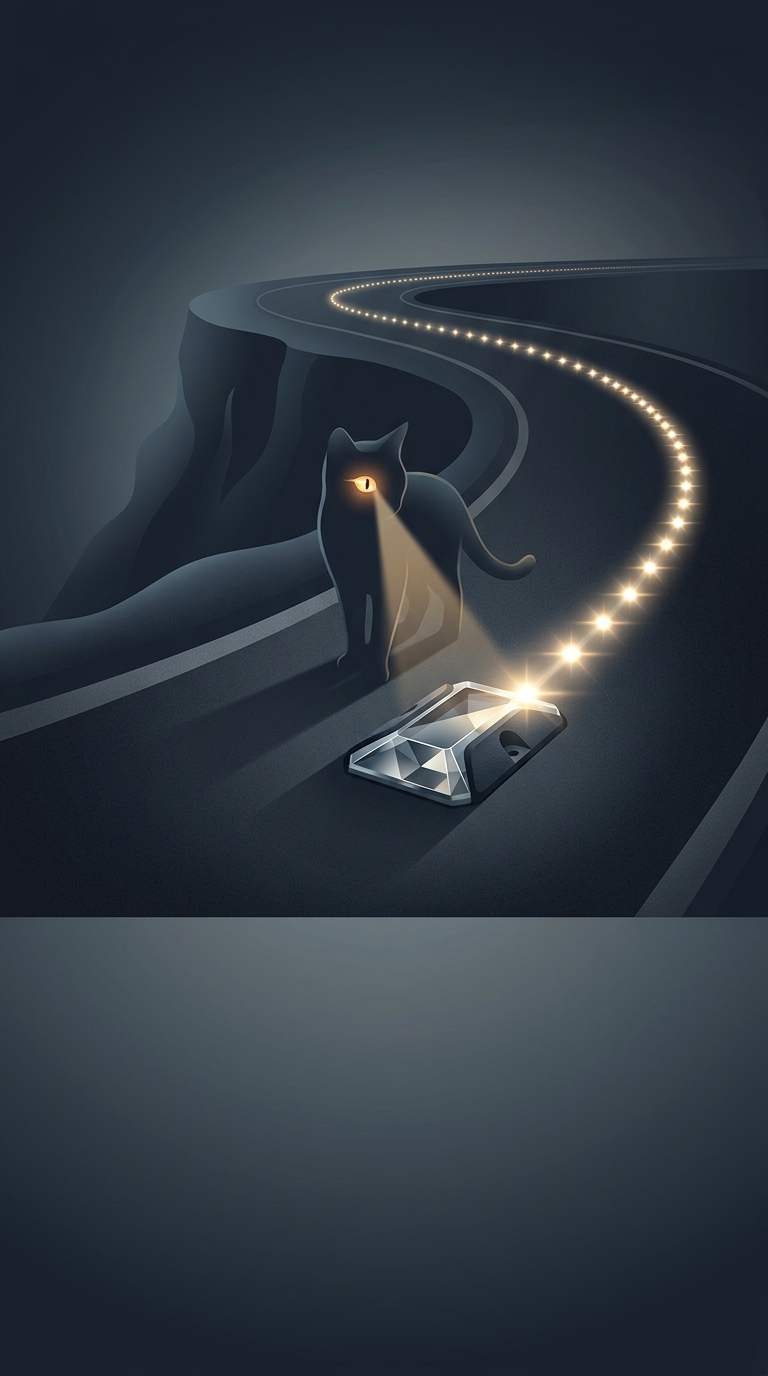
Cats can travel through familiar surroundings, but that does not make them natural couriers. A village-bound journey would have required each cat to keep moving toward a particular destination while carrying a letter, rather than stopping, turning back, or following its own priorities. Tying a message to an animal could start the trip; it could not ensure the rest of it.
The Weak Link Was Predictability
For postal service, a letter that eventually reaches someone is not enough. Delivery has to be regular enough that the sender and recipient can rely on it. With cats, officials had no practical way to direct each animal along a route or know when it would arrive. The animals’ independence made the system difficult to control at every step.
That distinction explains why the attempt with thirty-seven cats ended within weeks. The idea treated movement as if it were the same as transport. But a working delivery network depends less on whether a messenger can travel than on whether its journey can be repeated on schedule. The cats made that limitation unmistakable: a letter could leave Liège, yet the postal service could not make the carrier behave like a route.