Dinosaur Time Was Far Longer Than a Human Timeline
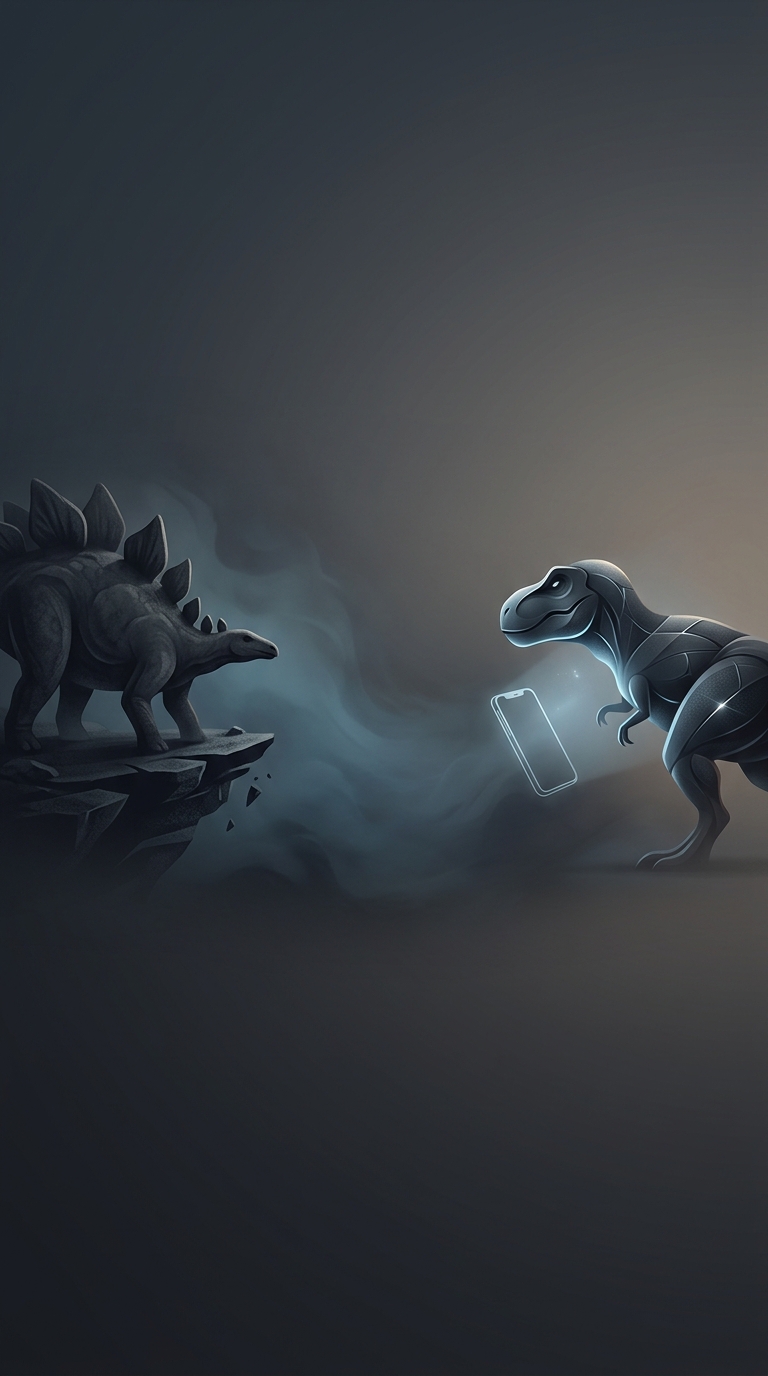
The gap between Stegosaurus and Tyrannosaurus rex is easy to underestimate because both appear under the same broad label: “dinosaurs.” But that label spans an immense stretch of Earth’s history. Stegosaurus lived in the Late Jurassic; T. rex arrived in the Late Cretaceous, after the Jurassic had ended and another geological period had passed.
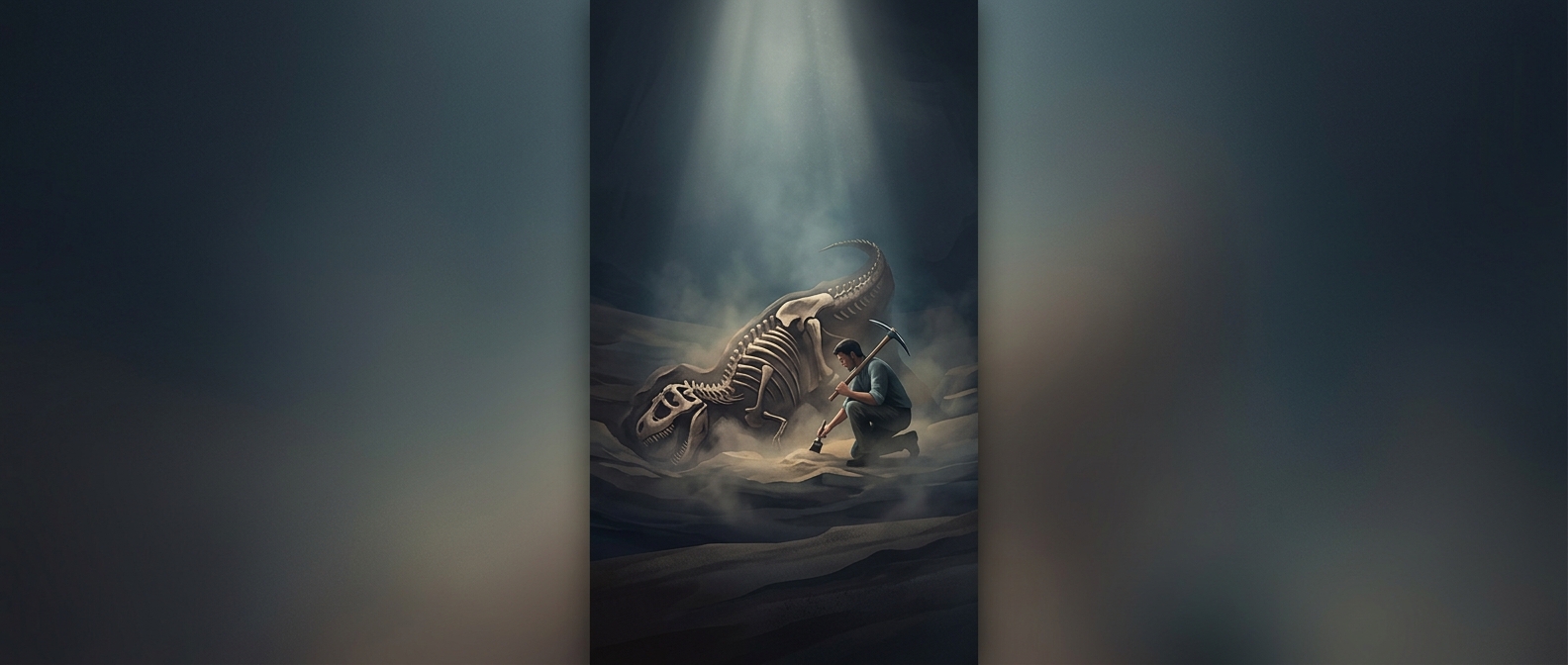
Those period names mark divisions in the rock record. Geologists identify them through changes in layers of rock and the fossils preserved within them. The changing fossil record shows that ecosystems—and the kinds of animals living in them—shifted over time. A dinosaur scene assembled from species found in different layers can combine creatures separated by millions of years.
Different Worlds, Not Just Different Dates
By the time T. rex lived, the world had changed substantially from the one Stegosaurus inhabited. Continents had shifted, climates and habitats had changed, and dinosaur lineages had evolved. The two famous animals were not rivals competing for the same food or territory; they belonged to different chapters of dinosaur history.
That distinction matters because familiar museum displays and toy collections put ancient animals side by side for convenience. It is a useful way to compare their shapes, but not a snapshot of a real ecosystem. A dinosaur “battle” between these two would require crossing a span of time longer than the entire history of the human species many times over.