A mark that accounts for changing water
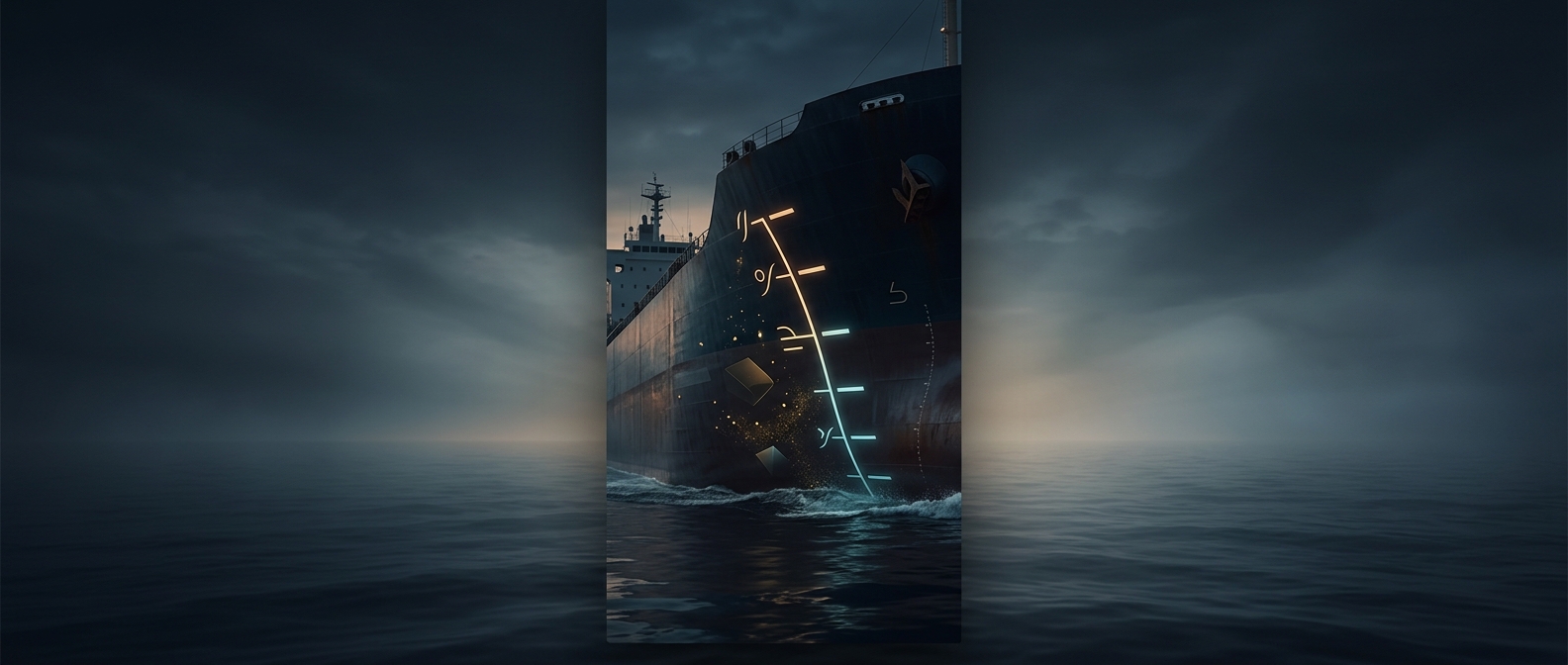
A ship’s load line is not simply a universal maximum draft—the depth of the hull below the water. The permitted level depends partly on where and when the vessel sails. Seawater is denser than fresh water, so a ship floats slightly higher in it; cold-water conditions can also affect how much loading is allowed. The marks grouped around the Plimsoll symbol indicate different limits for these conditions.
The markings are assigned to a particular vessel, taking account of its design and the conditions it is approved to face. They turn a complicated safety assessment into something crew can check directly against the water.
Why the space above water matters
The distance between the waterline and the deck is called freeboard. It is more than a dry strip of hull: it helps preserve reserve buoyancy, the ship’s ability to keep floating as waves wash over it or water enters damaged spaces.
Load a ship lower and less hull remains above the surface. That leaves less margin for waves, rolling, and extra weight from water or other conditions at sea. The concern is not only that the deck might get wet; too little remaining buoyancy can make flooding harder to contain and threaten stability.
A limit crews can see
As cargo is taken aboard, the hull settles and the waterline rises along it. Crew can compare that waterline with the applicable load-line mark before departure. If it reaches the limit, adding more cargo would use up a safety margin the vessel is required to retain.
That visible check matters because a ship’s safe loading limit cannot be judged by cargo weight alone. The same load can leave different vessels with very different amounts of hull above water—and the mark makes that hidden difference legible at the dock.