A Will Turned Childbirth Into a Public Contest
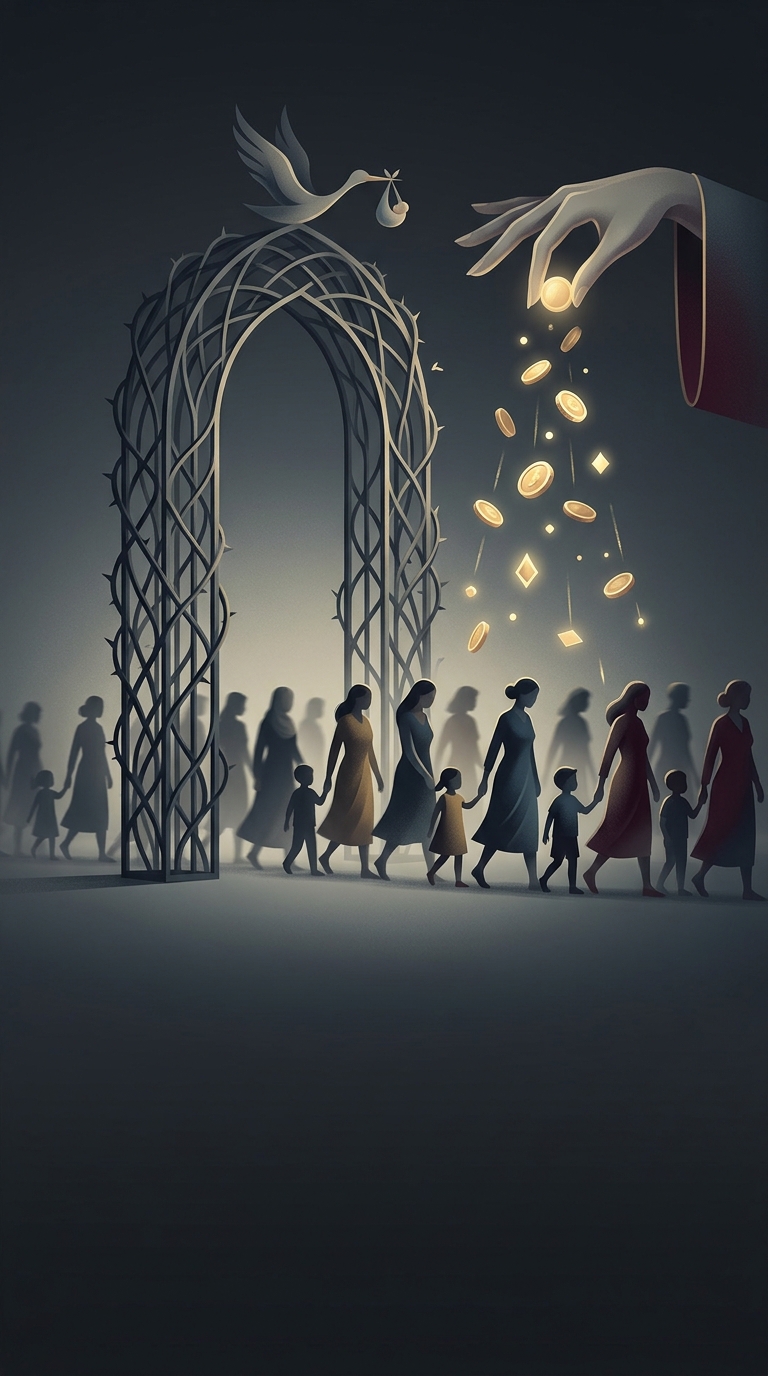
When Canadian lawyer Charles Vance Millar died in 1928, he left behind an unusual instruction: a large part of his estate would go to the Toronto woman who gave birth to the most children during the following ten years. The clause made a private family matter the measure of a public competition—and made the terms of a dead man’s will the rules everyone had to follow.
Millar’s plan was a form of testamentary condition: a gift tied to a specified event or achievement. Here, the condition was not a single birth or a fixed number of children, but a comparison among eligible women over a decade. That meant the winner could not be known until the period ended, and the outcome depended on what happened across many families, not just one.
A Tie Changed the Prize
At the end of the contest, four women were tied, each having had nine children during the ten-year period. Instead of one record-setter taking the fortune, the $500,000 prize was divided among the four families.
That result exposed a practical weakness in Millar’s design: it named a winner by rank but did not produce a single winner. A tie did not erase the condition or leave the prize without recipients; it turned one intended award into four shares. The contest’s final arithmetic mattered as much as its headline-grabbing premise.
The Will’s Consequence Outlasted the Joke
Millar was remembered as a prankster, and the clause fit his taste for unsettling the respectable. But a will is not just a punchline: it directs property after its author can no longer explain or revise the instructions. The families’ split award shows how an eccentric condition could shape real decisions—and how, once the contest ended, the wording converted a spectacle into an inheritance.