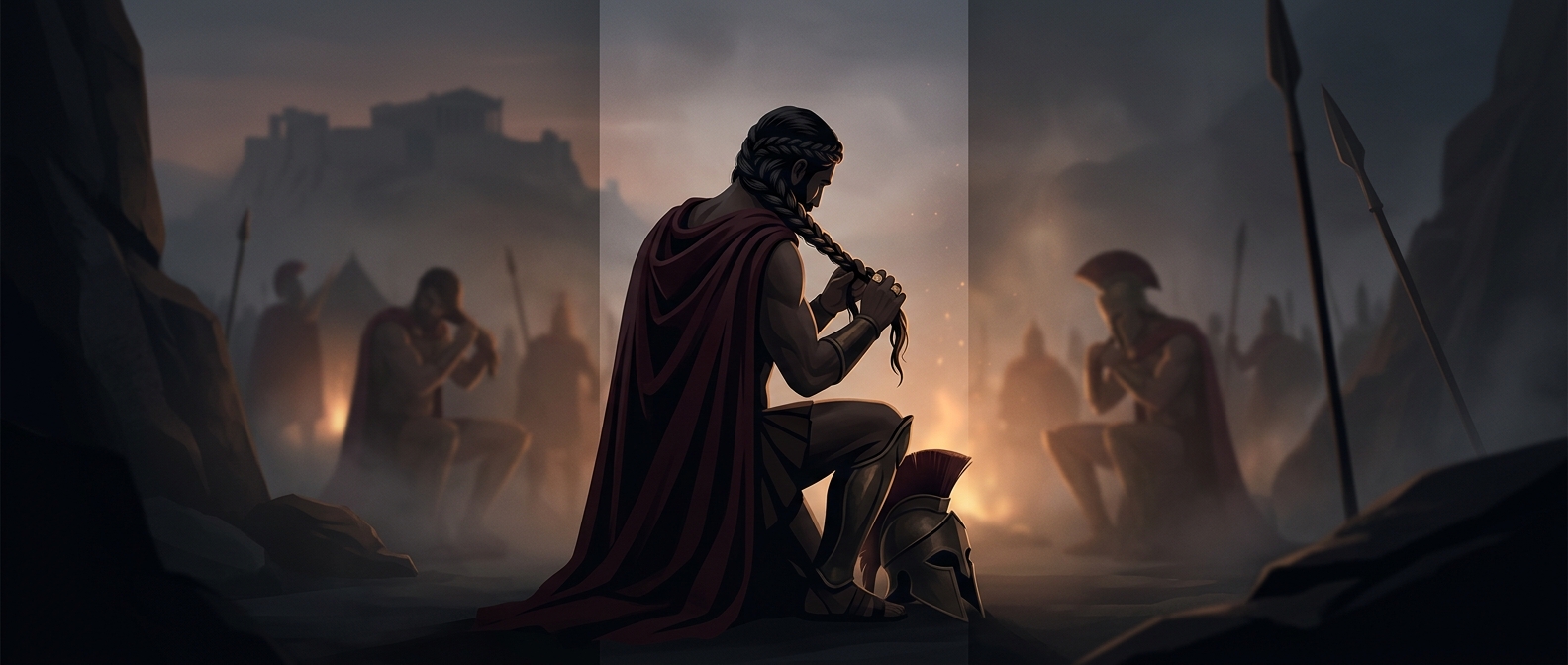
Sparta’s Freedom Had a Captive Population Beneath It
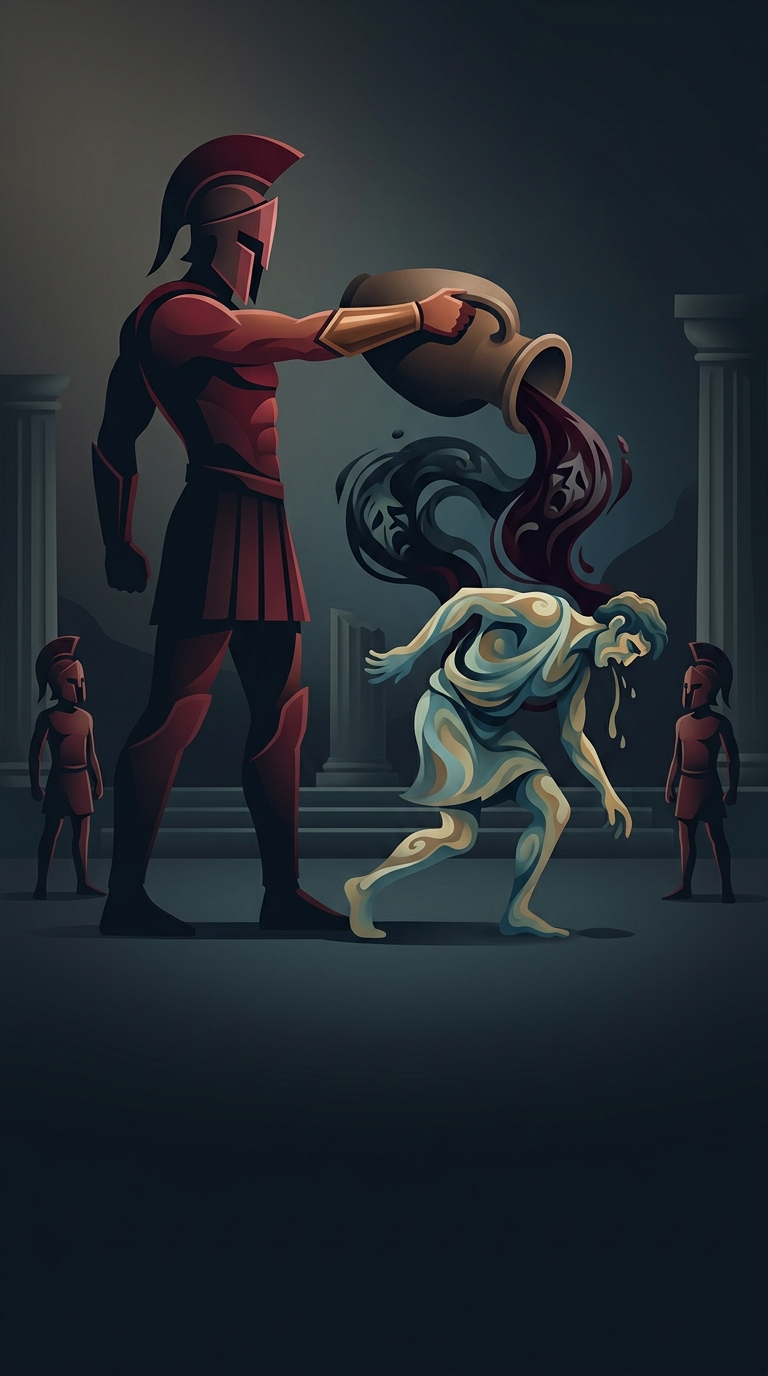
The freedom celebrated in stories about Sparta belonged to a narrow group: male Spartan citizens. Their independence rested on the labor of the helots, a subjugated population compelled to farm the land that sustained the city. Helots were not ordinary servants who could simply leave their employers; they were tied to a system of state-enforced dependence and could be treated harshly by those who ruled them.
Many helots came from Messenia, a region Sparta conquered. Their labor freed Spartan citizens from much of the work of producing food, leaving them time to train and serve as soldiers. The celebrated warrior society therefore depended on people who had little control over their own lives.
A Military System Built Around Fear
This arrangement also created a constant danger for Sparta: the people it held down could resist. Helot uprisings, especially in Messenia, were a serious concern. Spartan leaders had reason to fear that a campaign abroad might leave the city vulnerable at home.
That pressure helps explain why Spartan military life was so demanding. Training and discipline prepared citizens for battle, but the army also served a domestic purpose: it helped preserve a political order maintained by coercion. Sparta’s power was not just a shield against foreign enemies; it was also a means of keeping its subject population under control.
Hollywood’s image of Spartans defending freedom leaves out this central contradiction. Their celebrated liberty was protected in part by denying freedom to the people whose labor made Spartan life possible.