A wartime caricature made Napoleon smaller
The “Napoleon complex” rests on a story that took shape long after Napoleon’s rise: a short man supposedly compensates for his height with aggression and ambition. The story’s most visible ingredient was not a psychological finding but a political image.
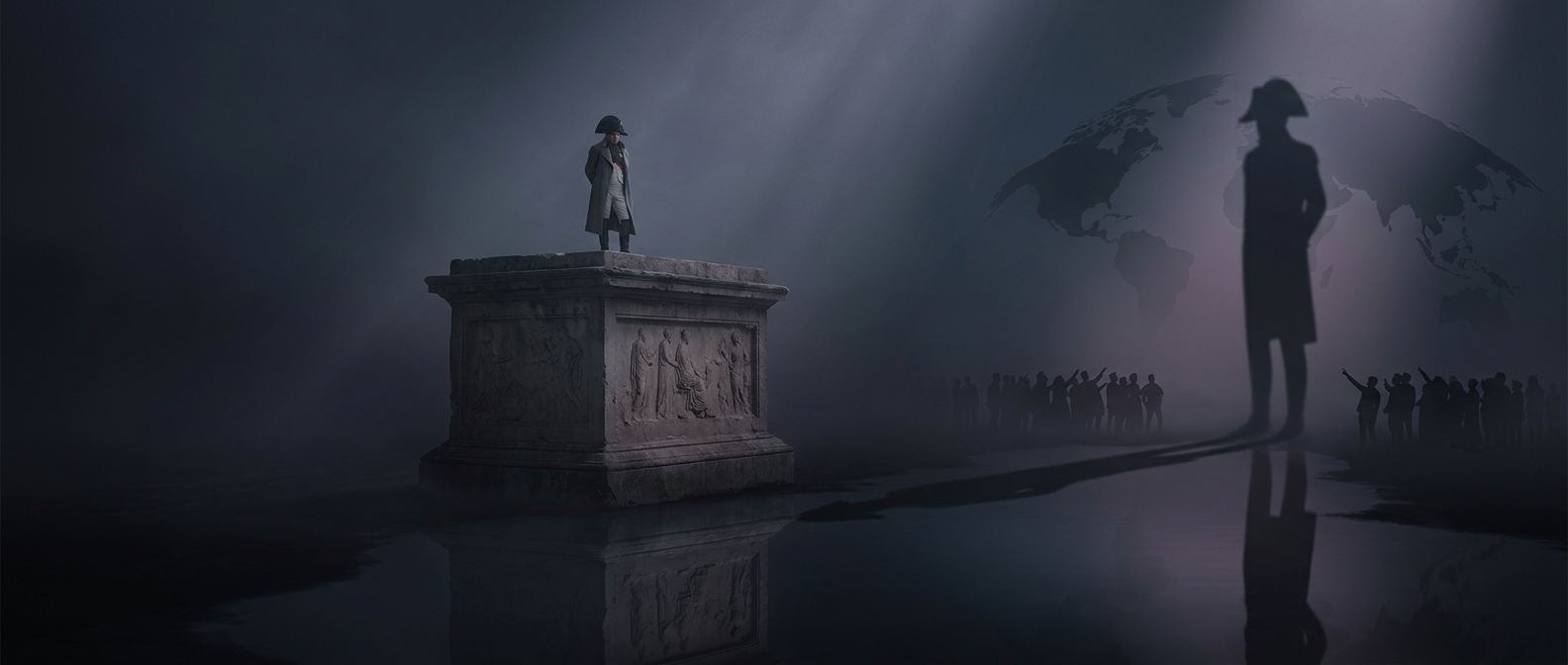
During the wars between Britain and France, British cartoonists repeatedly drew Napoleon as a tiny, furious figure. The caricatures turned a formidable enemy into someone readers could mock—and made his ambition look like the overreaction of a man trying to prove himself. The image stuck more readily than the real person.
A measurement helped the myth along
Napoleon was not exceptionally short for his time. Confusion over measurement helped make him seem so: the “5 feet 2 inches” often attached to his height referred to French units, which were longer than the British inches used in English accounts. Converted, that measurement is roughly 5 feet 6 inches by modern standards—around the average for a French man of his era.
That correction does not mean Napoleon was tall, or that every detail of his height is certain. It does show how a number, repeated without its unit system, could reinforce the caricature.
A nickname is not a psychological law
The label now called the Napoleon complex turns that political image into a general explanation of behavior: short men are presumed to be unusually hostile or driven because they feel insecure about their height. But it is not a recognized psychological diagnosis, and Napoleon’s career cannot establish that short stature causes aggression. His wars and political choices arose from power struggles and statecraft, not evidence of a height-based syndrome.
The myth survives because it offers a neat, memorable motive for a complicated person. Its twist is that the “short Napoleon” was partly a cartoonist’s invention—and the supposed complex is a story about character, not a proven law of psychology.