A partial awakening, not a vivid dream
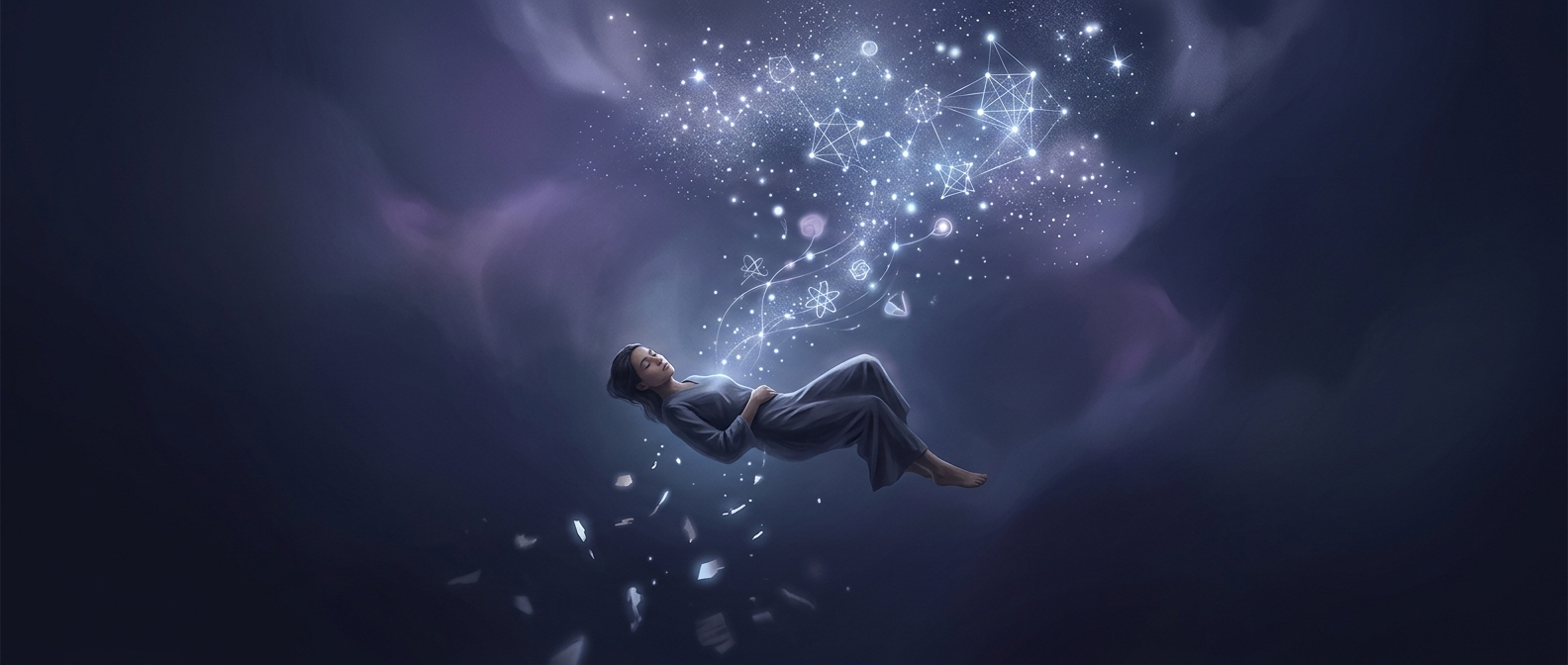
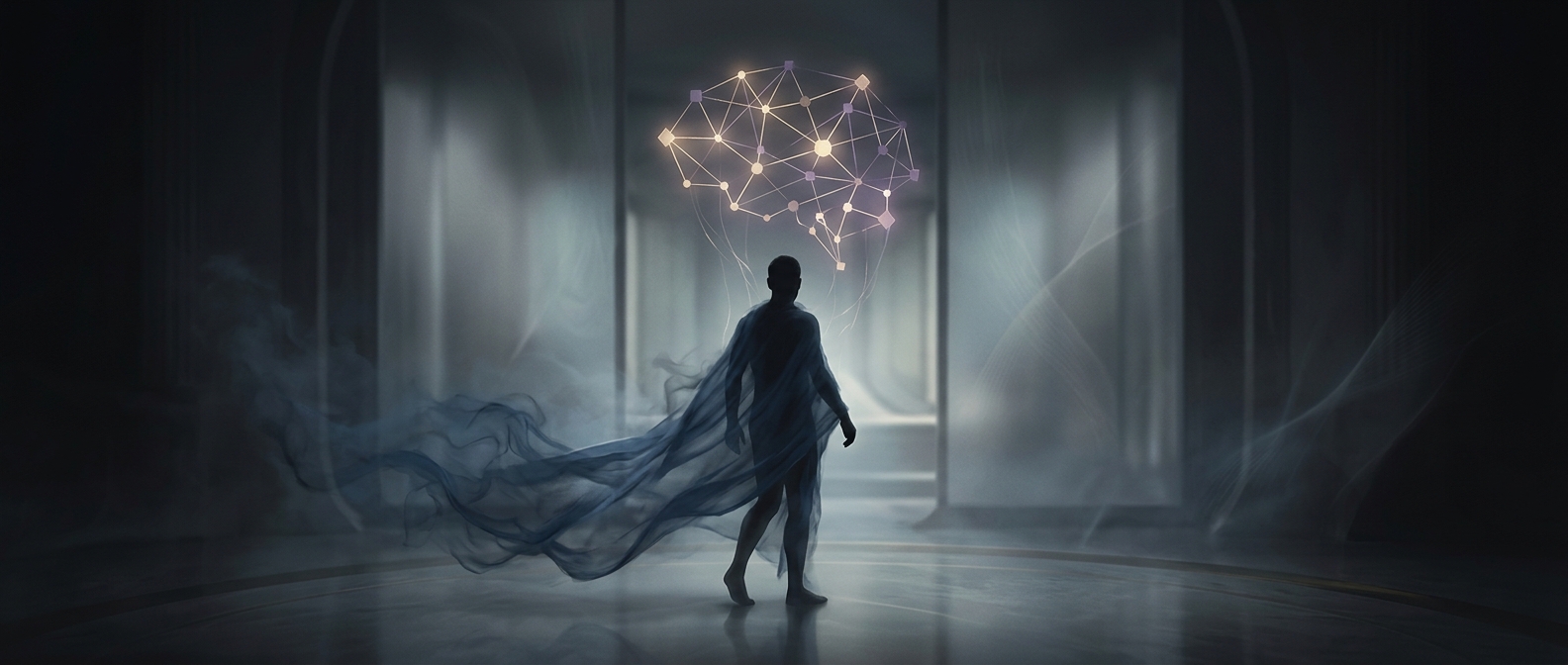
Sleepwalking is a partial arousal: the brain shifts toward wakefulness unevenly rather than coming fully awake. It most often begins during deep, non-rapid-eye-movement sleep, especially in the first part of the night. Systems that control movement can become active while the networks needed for clear awareness, judgment, and memory remain in a sleep-like state.
That mismatch helps explain why someone may sit up, wander, or perform a familiar routine yet respond poorly to questions and seem confused if disturbed. The behavior is not usually a person acting out a vivid dream; dream enactment is more associated with a different sleep condition.
Why the episode starts
Deep sleep is not an unbroken, unchanging state. The brain can briefly move toward waking, and in some people that transition stalls halfway. Fever, sleep deprivation, stress, alcohol, and interruptions to sleep can make these episodes more likely, particularly in children, whose sleepwalking is more common than adults’.
Because full awareness does not come online, the person may have little or no memory of the event afterward. That lack of recall is part of the state, not evidence that the behavior was deliberate.
The practical consequence
During an episode, a sleepwalker may navigate familiar surroundings but still misjudge hazards. The useful response is to keep the area safe and calmly guide the person back to bed rather than startle or argue with them. A locked window, stair gate, or clear path can matter more than trying to make the person explain what they are doing: in that moment, the body may be moving while the mind is not fully present.