Why Buenos Aires’s Subway Still Feels Like an Earlier Age
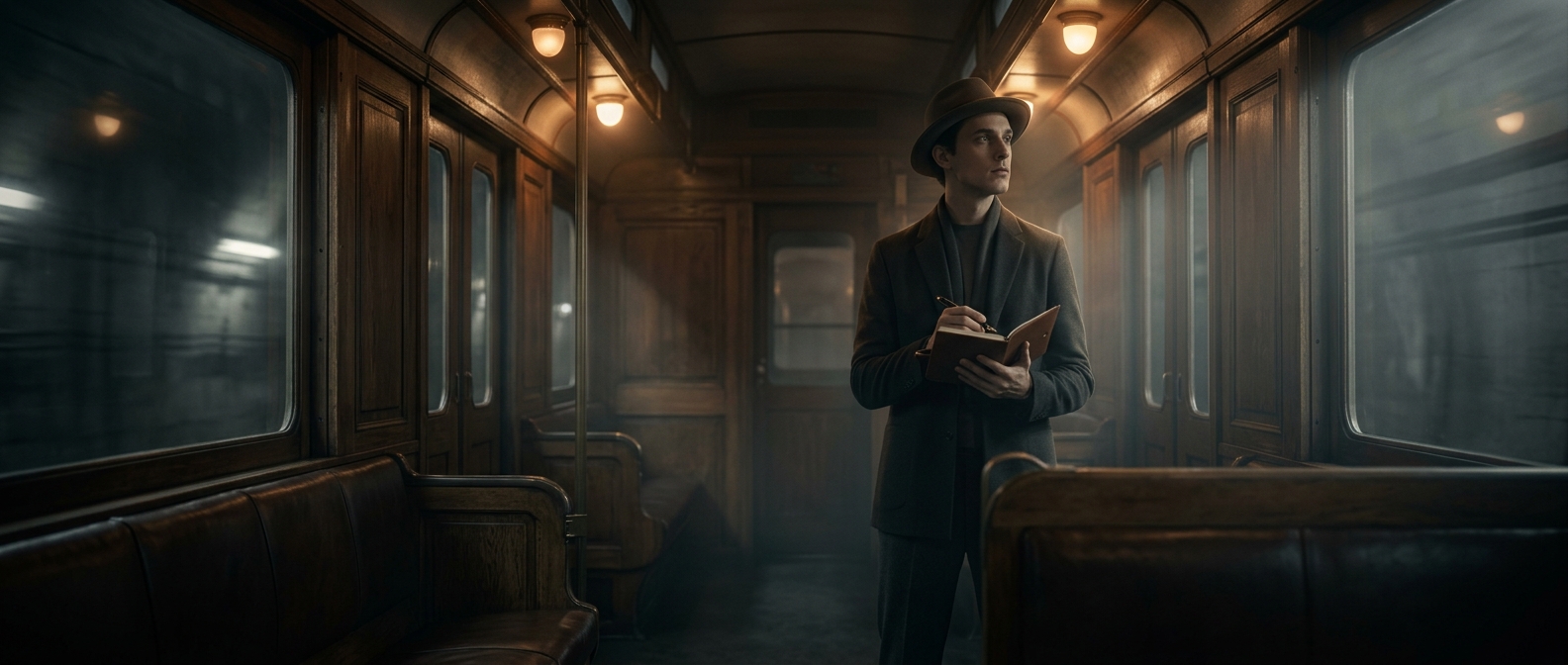
The wooden carriages are a remnant of the Buenos Aires subway’s first generation of trains. When the city’s Line A opened in 1913, its cars were built with wood prominent in their bodies and interiors—a practical, familiar material at a time when electric underground railways were still new. The result was a passenger space that felt more like a finely finished streetcar than a modern metal subway car.
Wood Was Part of the Ride, Not Just Decoration
Wood shaped what riders saw and touched: paneling, doors, and other interior details gave the cars a warm, crafted appearance. Beneath that finish, the trains still depended on the machinery of electric rail travel. Their survival is striking because subway systems are usually judged by how efficiently they can replace aging equipment, not by how long they can preserve its original character.
Older cars also impose real limits. A heritage vehicle may not offer the capacity, accessibility, or maintenance advantages expected of a contemporary fleet. Keeping wooden cars in service therefore means balancing their historic value against the demands of everyday transit; preservation does not make the engineering or upkeep disappear.
A Moving Piece of City History
These carriages make the subway’s past tangible. Rather than seeing an old train behind glass, passengers can encounter the materials and proportions that shaped an early underground journey. The wood is more than a nostalgic detail: it shows how a new technology was made to feel familiar, one carefully finished carriage at a time.