After Death, the Gut’s Barriers Begin to Fail
While a person is alive, blood flow, immune defenses, and the lining of the digestive tract keep the enormous community of gut microbes in its place. Death ends circulation and oxygen delivery. As cells lose energy, they can no longer maintain their usual boundaries, and the intestinal lining gradually becomes more permeable.
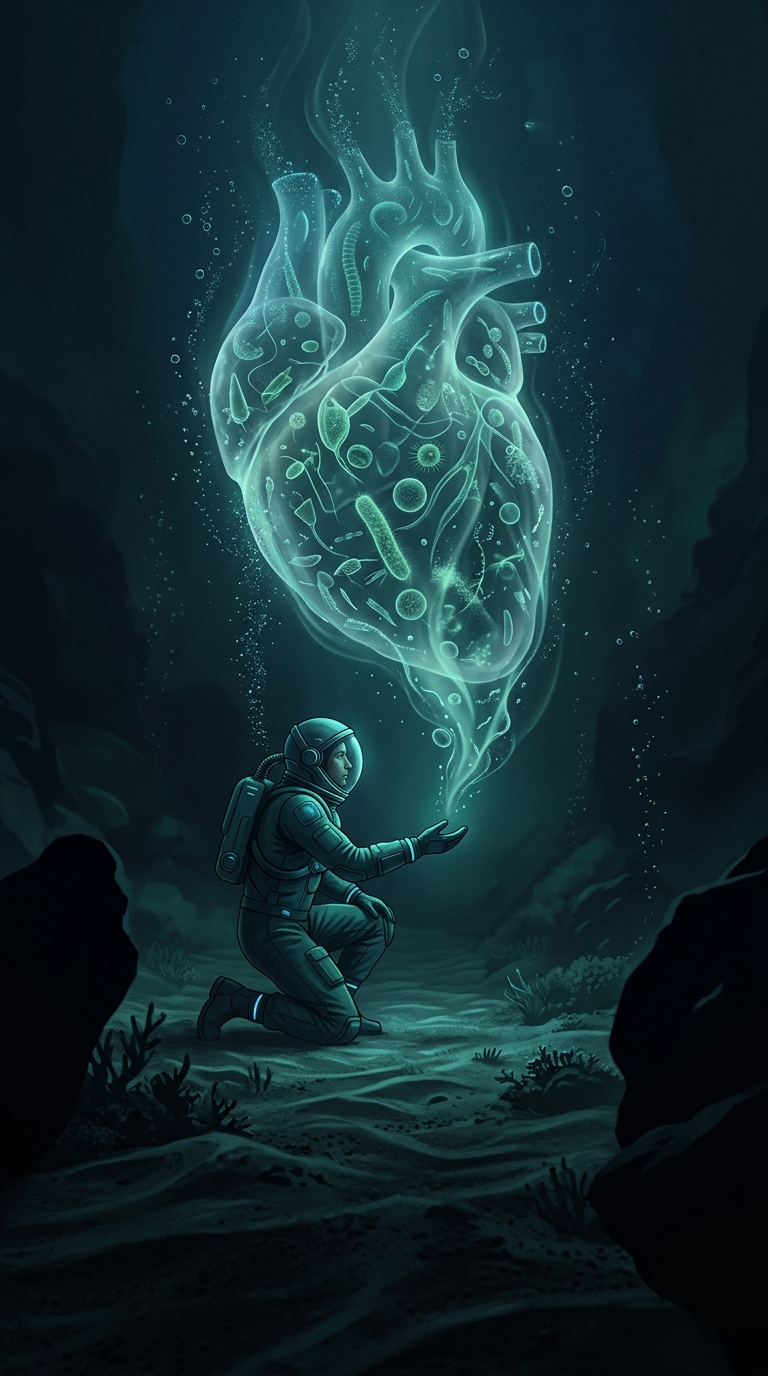
That creates an opening for microbes that normally live in the gut to spread into nearby tissues. This process contributes to putrefaction, the microbial breakdown of the body after death. It is not a sudden attack or a deliberate act: the bacteria are following their ordinary biology in a body whose defenses have stopped working.
The Body Also Begins Breaking Itself Down
Microbes are only part of the change. Cells contain enzymes—molecules that help carry out chemical reactions—and some of these enzymes continue working after death. Once cells begin to break apart, the enzymes can digest their own cell components. This is called autolysis, or self-digestion.
The stomach’s acid does not simply dissolve the whole body. Instead, the gut becomes one early site of change because it contains microbes and digestive chemicals, while the loss of circulation and cellular control affects tissues throughout the body. Temperature and other conditions influence how quickly these processes unfold, so there is no single timetable that applies to every death.
The unsettling turn is that the same microbes that helped digest food during life can, once the body’s safeguards fail, help break down the tissues around them.