Why silver carries current more easily
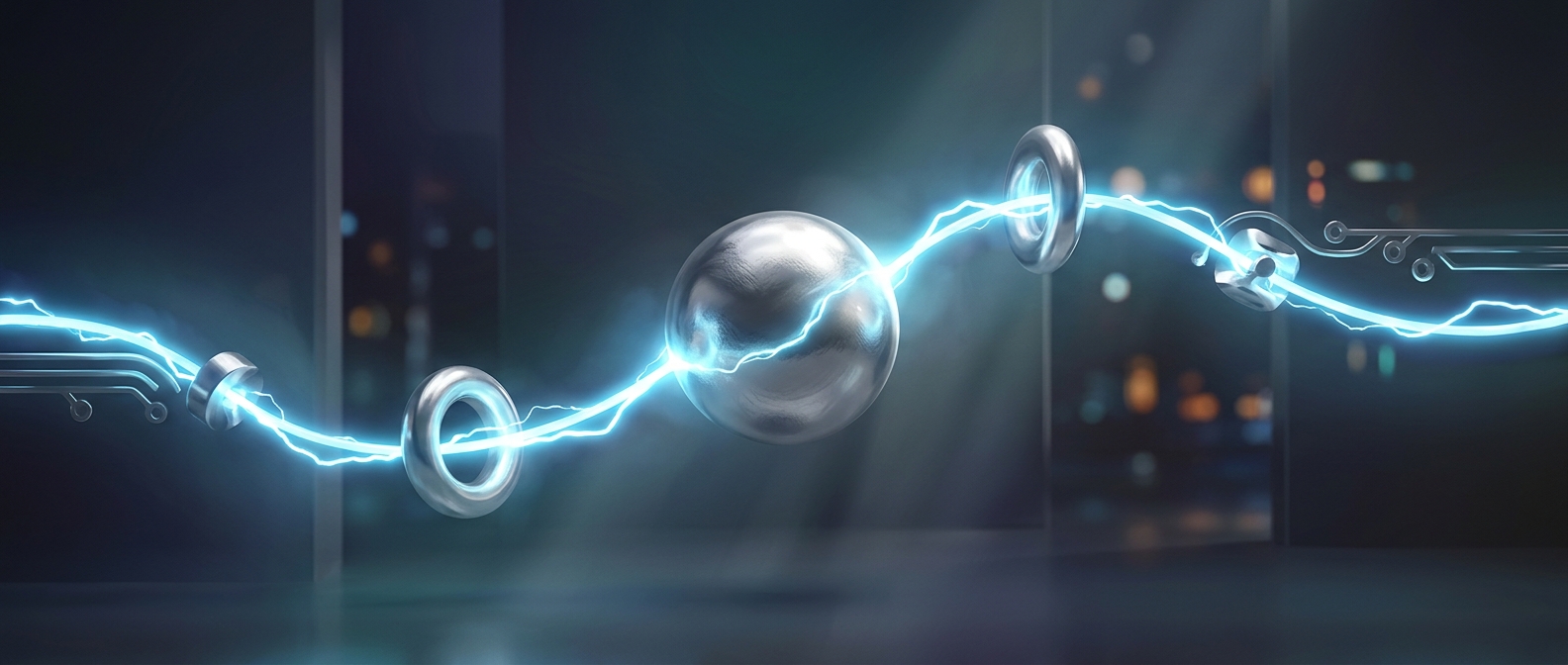
A metal conducts electricity when its atoms contain electrons that can move through the material. As those electrons travel, they scatter off vibrating atoms and imperfections, which impedes their motion and creates electrical resistance. In pure silver, they encounter slightly less resistance than in copper, so a silver wire of the same dimensions loses less energy as heat while carrying current.
That advantage matters most when every bit of resistance counts. In a precision electrical contact, a thin silver coating can help current cross a surface reliably. But for long runs of ordinary wiring, the difference is rarely worth replacing copper.
The practical tradeoff
Copper is much less expensive and is available in abundance, while silver’s higher price makes it costly to use by the ton. Silver also tarnishes: compounds form on its surface, darkening it and potentially complicating electrical contact. Tarnish does not erase silver’s conductivity, but it can make exposed connection points less dependable unless they are designed or maintained appropriately.
Copper can also be drawn into flexible wire and joined with familiar methods, making it a practical choice for buildings, appliances, and power lines. Its combination of good conductivity, manageable cost, and established manufacturing is more valuable in those settings than silver’s small performance edge.
Where silver still earns its place
Engineers use silver selectively in contacts, coatings, and specialized components, where a small amount can improve performance without the expense of making an entire cable from it. The result is a useful distinction: silver is the better conductor, but copper is often the better material for wiring.