Why Greek sculptors made ideal men look restrained
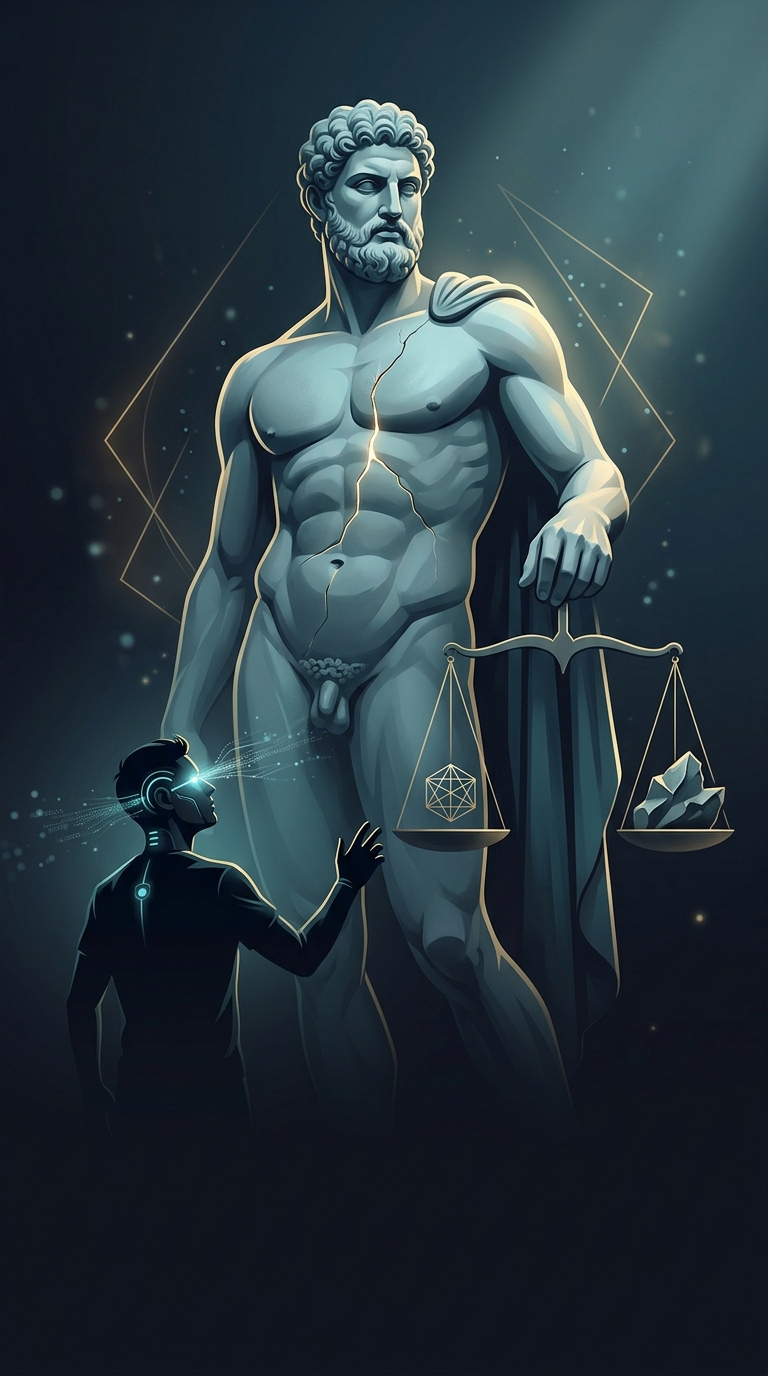
In ancient Greek art, a powerful male body did not necessarily come with exaggerated anatomy. Many nude statues show the penis small and flaccid—a deliberate choice that helped signal a quality Greeks admired: self-control.
To Greek viewers, a man’s worth was tied not only to physical strength but also to his ability to govern his appetites. A composed body could suggest discipline and sound judgment. By contrast, Greek comedy and visual art sometimes used oversized genitalia to make figures seem lustful, foolish, or uncivilized. The contrast was cultural symbolism, not a claim about what Greek men actually looked like.
Ideal bodies were designed, not simply copied
Sculptors were often presenting an ideal athlete, hero, or god, rather than making a literal record of an individual’s anatomy. They refined the body to communicate qualities such as balance, youth, and poise. A modestly depicted penis fit that visual language; it kept attention on the figure’s controlled, harmonious form rather than suggesting uncontrolled desire.
This convention appears especially often in Classical Greek sculpture, but it was never an absolute rule. Greek art covered many periods and subjects, and statues could represent different ages, roles, and moods. The familiar contrast is a pattern of idealized male imagery, not a feature of every ancient Greek statue.
What the detail told its audience
A statue’s nudity could celebrate athletic excellence or heroic status, while its restrained anatomy helped distinguish an admired, self-governing man from a comic or disreputable one. The small detail was part of the statue’s moral vocabulary: strength mattered, but so did mastery over oneself.