How an old power station became a club
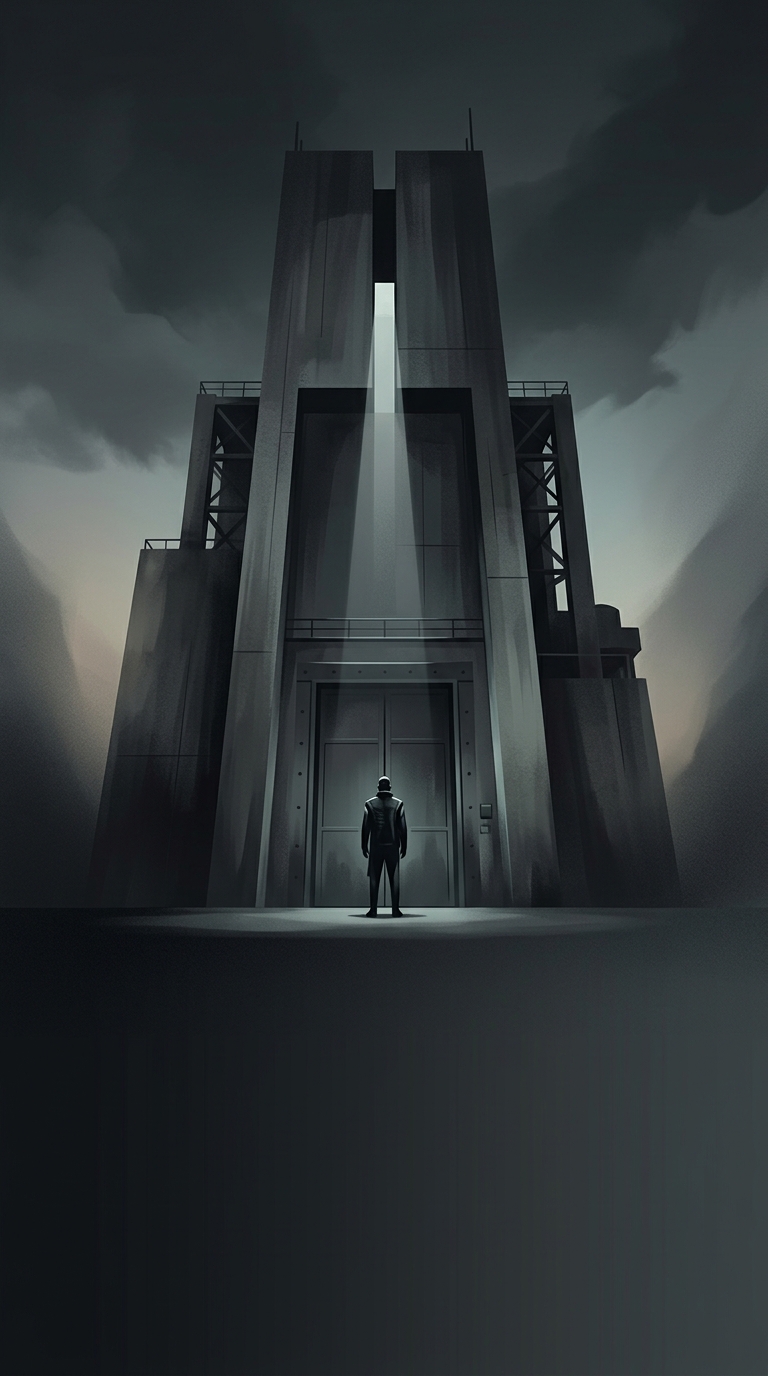
Berghain occupies a former heat-and-power plant in Friedrichshain, an eastern Berlin district shaped by the city’s divided past and later reinvention. Its industrial shell—high ceilings, exposed concrete and cavernous rooms—was not built to feel welcoming in the conventional nightclub sense. It gives the venue scale and atmosphere while making the dance floor feel separate from the street outside.
The club grew out of Berlin’s post-reunification nightlife, when vacant industrial buildings could be adapted for cultural use. Berghain’s identity is closely tied to long techno events, where people may stay for many hours rather than arrive for a short set and leave. That changes the social rhythm: the night is less a sequence of quick visits than an extended, shared occupation of the space.
The door is part of the experience
The entrance policy is deliberately selective, but there is no reliable public formula for getting in. Door staff make judgment calls about whether arriving guests fit the atmosphere and the event; that uncertainty is why the decisions can seem opaque from the queue. It also helps the club shape its crowd rather than operate like a venue selling admission to anyone who meets a posted dress code.
Once inside, a no-photography rule helps preserve privacy. Staff may cover phone cameras with stickers, making it harder to turn the night into a stream of images for social media. The result is a striking contrast: a building that is famous around the world, but an experience designed to resist being documented. For visitors, the practical takeaway is simple—plan around the event, expect the door to remain unpredictable, and be ready to put the camera away.