How a Frog’s Stomach Became a Nursery
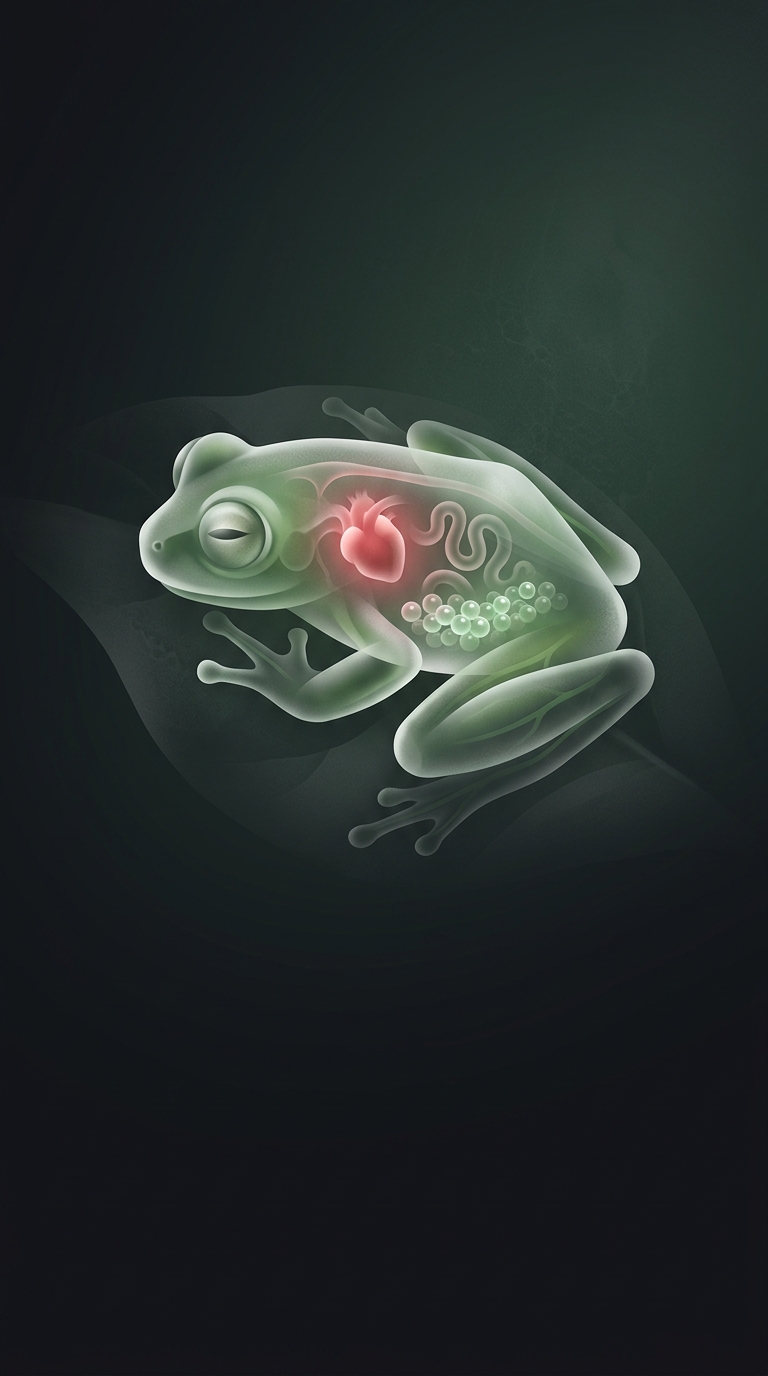
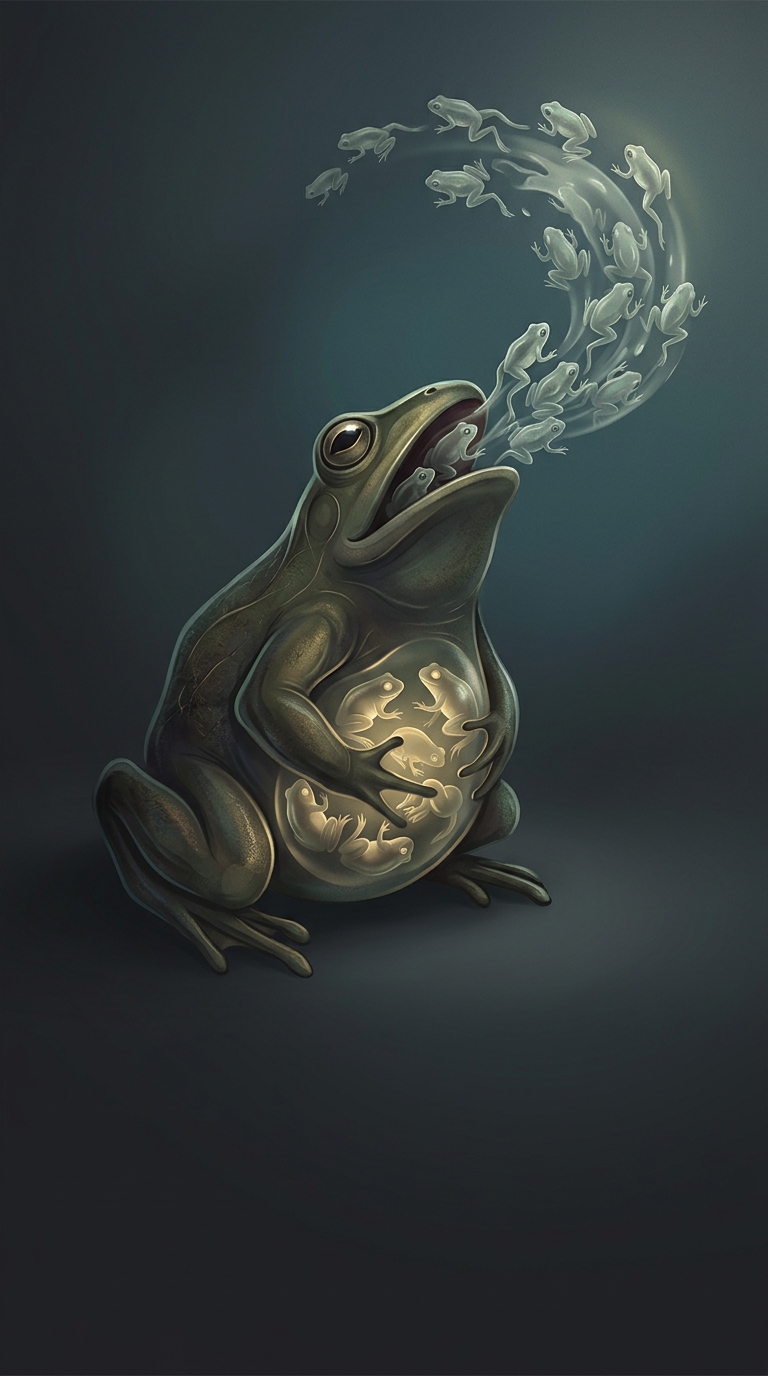
In gastric-brooding frogs, the mother did not carry tadpoles in a pouch or guard them in a nest. After she swallowed her fertilized eggs, they developed inside her stomach. For that to work, the stomach had to stop behaving like a digestive organ: its acid and other digestive activity would otherwise damage the embryos.
Researchers think chemicals released by the developing eggs suppressed the mother’s production of stomach acid. That explanation fits the remarkable outcome, though the precise biological controls are not fully understood. With digestion largely put on hold, the stomach became a protected space where the young could develop.
A Temporary Shutdown With a Cost
The arrangement demanded more than a change in chemistry. While the brood occupied her stomach, the mother could not use it normally to digest food. Her body was effectively committed to carrying the young until they were ready to leave. This was not ordinary feeding followed by birth: the embryos’ presence altered the conditions of the organ they depended on.
Once development was far enough along, the froglets emerged through the mother’s mouth. The route was as unusual as the nursery itself: an organ normally associated with breaking down food had been repurposed, temporarily, to shelter offspring and then release them.
An Extraordinary Reproductive Strategy
The gastric-brooding frogs were native to Australia and are now extinct. Their life cycle shows how reproduction can depend on changing an organ’s usual role, not simply finding a new place to keep eggs. In this case, the key challenge was preventing the mother’s own digestive system from treating her young as food.