How a rock can leave Earth
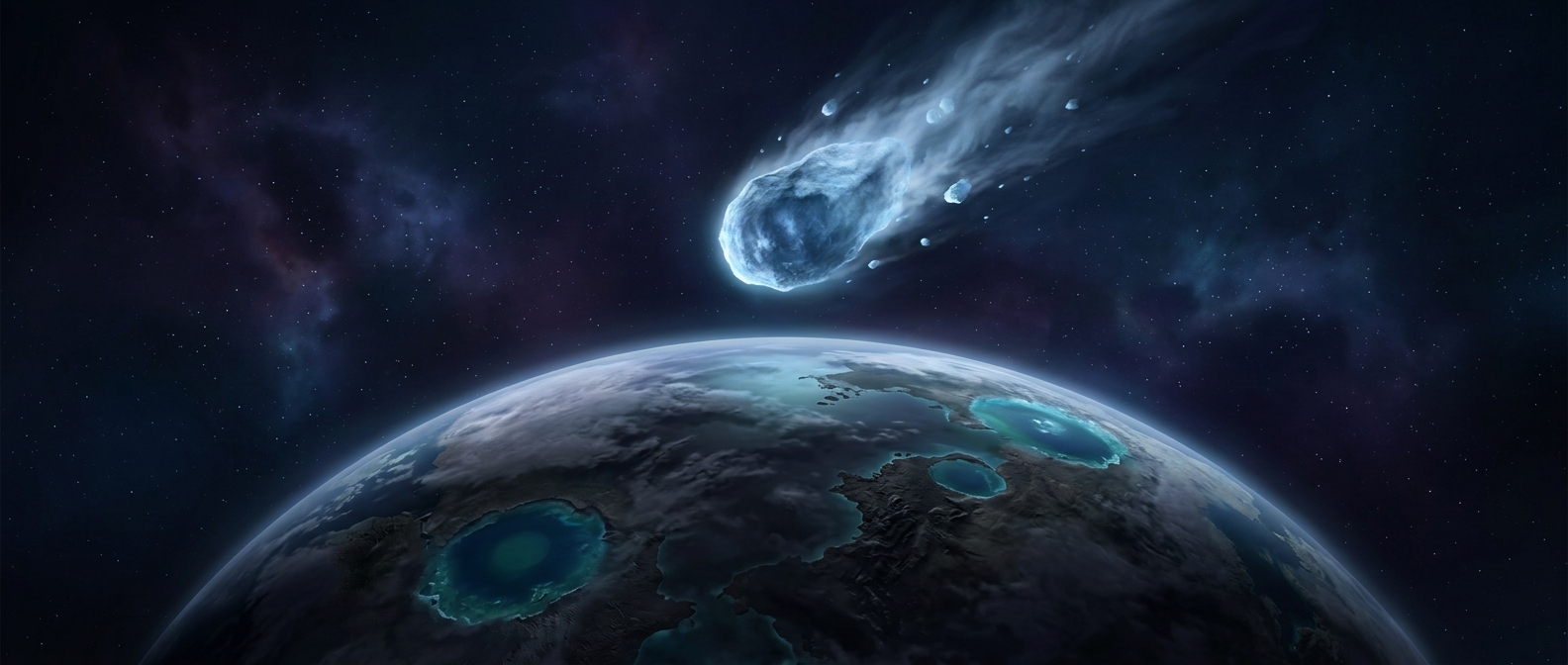
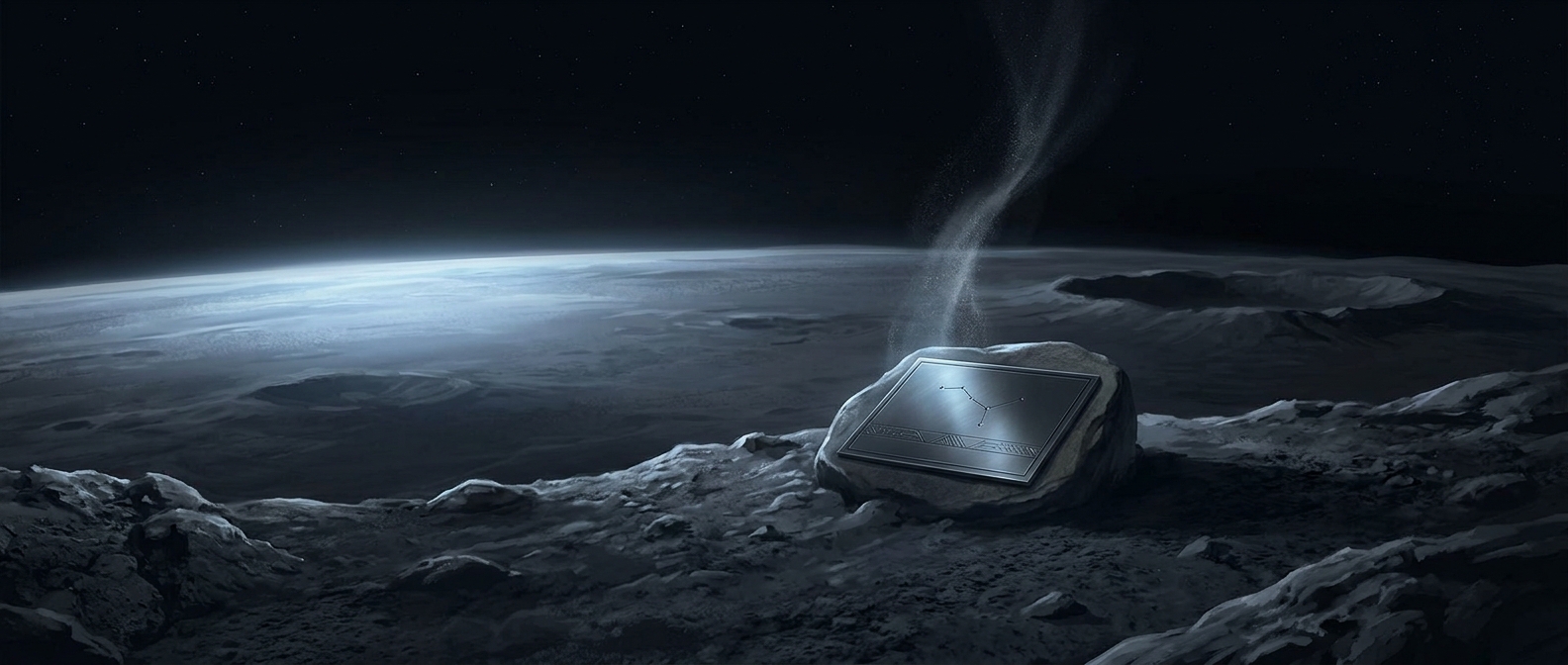
A powerful impact does more than break up the ground around a crater. It sends debris outward at a range of speeds. Most falls back, but some pieces are accelerated beyond Earth’s escape velocity—the speed needed to break free of the planet’s gravity. The launch has to be forceful enough to overcome both gravity and the drag of Earth’s atmosphere, which can heat and fragment the departing rock.
A crossing, not a straight shot
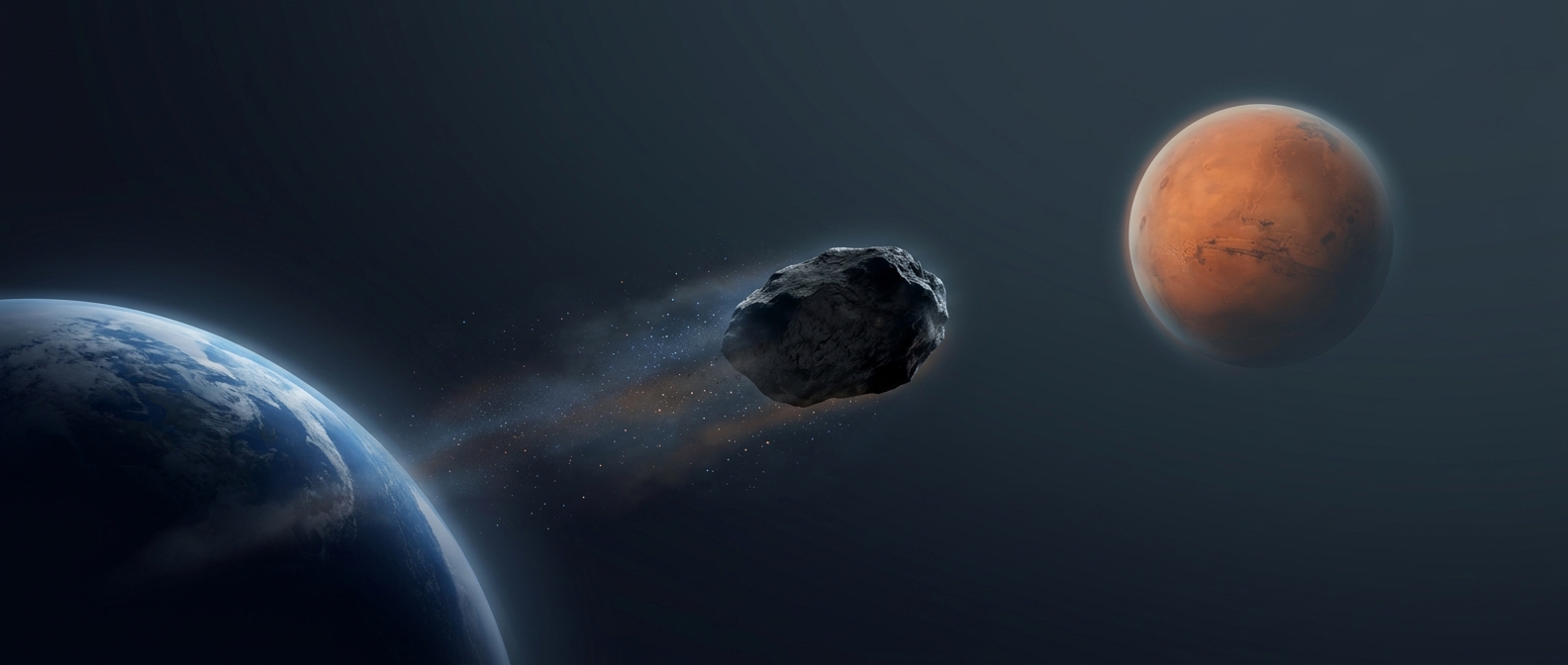
Once in space, a rock is no longer carried along with Earth’s surface. It follows an orbit shaped mainly by the Sun’s gravity, while Earth and Mars continue moving on their own paths. A fragment that leaves Earth at the right speed and direction can cross Mars’s orbit; a close enough encounter can bring it down onto the planet. Many fragments instead miss Mars, fall back to Earth, or travel elsewhere.
A successful arrival is still a collision. Mars’s atmosphere can slow some incoming material, but a sufficiently fast rock may strike the ground and break apart. The journey can take a long time, and the fragment has to survive both its violent launch and its trip through space.
A one-way delivery
An Earth rock on Mars would be far harder to recognize than a familiar meteorite in a museum: its origin is determined by where it came from, not by how it looks after impact. The remarkable part is the chain of events—one collision on Earth can send material across the inner solar system, where a later collision delivers it to another world.